
Landlord Licensing 2025 What’s Changing in England
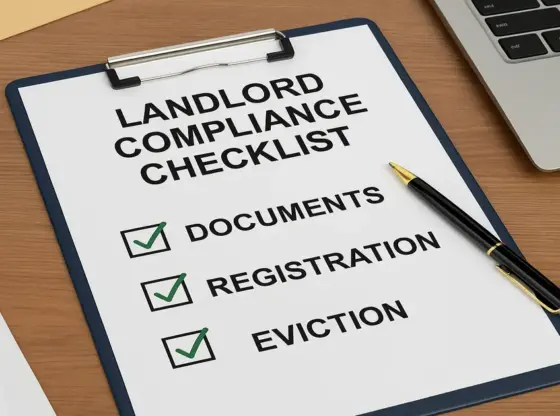
As we approach 2025, landlord licensing in England is undergoing significant reform, reshaping how landlords must register, manage, and maintain rental properties.
The tightening of selective licensing 2025 and HMO licensing rules means every landlord must understand their obligations to avoid penalties and stay compliant.
What Is Selective Licensing and Who Needs It?
Selective licensing gives local authorities the power to require all landlords in designated areas to hold a licence before renting out properties.
It was initially intended for areas with high anti-social behaviour or poor housing standards, but in 2025, more councils are expanding schemes to cover broader regions.
The aim is to raise property standards and improve tenant safety. Under the landlord licensing England rules, a licence ensures landlords meet specific conditions, including:
- Ensuring properties are safe, well-maintained, and free from hazards
- Carrying out gas, electrical, and fire safety checks
- Providing tenancy agreements and deposit protection information
- Ensuring that managing agents are “fit and proper persons”
Many councils, such as Birmingham, Nottingham, and parts of London, already operate extensive selective licensing areas. In 2025, additional councils are expected to introduce borough-wide schemes following national guidance updates.
For landlords, failing to check whether their property falls within a selective licensing zone could lead to serious consequences, including fines or even rent repayment orders.
HMO Licensing: Still a Critical Focus in 2025
Houses in Multiple Occupation (HMOs) remain one of the most tightly regulated rental types. If your property is rented to three or more tenants forming two or more households and they share facilities like kitchens or bathrooms, it’s likely an HMO.
Mandatory HMO licensing continues to apply in 2025, with stricter enforcement and higher standards required for fire safety, minimum room sizes, and amenities.
Councils are also conducting more frequent and random inspections and compliance audits than ever before.
Renewals and new applications now require additional documentation, including:
- Updated floor plans
- Fire risk assessments
- Energy Performance Certificates (EPC)
- Gas Safety Certificates
- Proof of landlord training or accreditation
With the government pushing for higher rental standards under the Renters’ Rights Bill, expect to see a new overlap between selective licensing 2025 and HMO licensing, meaning some landlords may need multiple licences for the same property.
The New Fines for Non-Compliance
Enforcement in 2025 is becoming more aggressive, as councils now rely on licensing fines to fund local housing enforcement teams.
Key penalties include:
- Up to £30,000 per offence for operating without a valid licence
- Rent Repayment Orders forcing landlords to refund up to 12 months of rent to tenants or councils
- Criminal prosecution for repeated or serious breaches
- Banning orders, preventing landlords from renting any property in England
Data-sharing between local authorities, HMRC, and the national Rogue Landlord Database means evasion is increasingly difficult. Councils are also using public data and tenant reports to target non-compliant properties.
As selective licensing expands in 2025, councils will continue to monitor short-term lets and unregistered HMOs, especially in areas where property conversions have surged.
Using Compliance Software to Stay Ahead
With the evolving landlord licensing frameworks in England, compliance has become a full-time job. Many landlords now rely on digital compliance software to track licence renewals, inspections, and document deadlines.
Modern property management systems can:
- Automatically alert landlords to upcoming renewals
- Store digital copies of safety certificates
- Generate reminders for inspections or training deadlines
- Cross-check property addresses against licensing zones
By automating compliance, landlords can avoid costly oversights while demonstrating professionalism to regulators and tenants.
For portfolio landlords managing multiple properties, these tools are indispensable. They reduce administrative burden and provide a clear audit trail in the event of an inspection or dispute.
Practical Steps to Stay Legal in 2025
- Check your local council website for the latest selective licensing boundaries.
- Early processing delays can last months due to high demand
- Keep documentation updated, including all safety certificates
- Use accredited tradespeople for repairs and safety checks
- Train regularly through landlord associations or professional courses
In 2025, compliance is not optional; it’s a vital part of being a responsible and profitable landlord. Proactive landlords who invest in licensing and maintenance are less likely to face enforcement and more likely to retain quality tenants.
FAQs
Do all landlords in England need a license?
Not all, but many do. If your property falls within a council’s selective licensing area or qualifies as an HMO, a licence is mandatory before letting.
Can I be fined if I didn’t know my property needed a license?
Yes. Ignorance is not a defence. Landlords are expected to research local schemes and comply accordingly.
Will the Renters’ Rights Bill affect licensing?
Yes. It is expected to introduce additional safety and energy efficiency standards, which will align closely with licensing requirements.
How long does a license last?
Most licenses last five years, though councils may issue shorter terms if they have concerns about property management or safety standards.
Read our top-read blogs:
Why Landlords Are Selling Up Urgently?
The Renters Reform Bill: A Step Backwards for Landlords and the Housing Market?
Defending a Claim for Unlawful Eviction
Need help now? Contact Landlord Advice UK today for tailored guidance and practical support to future-proof your rental business.
Useful External Links
https://www.gov.uk/private-renting-houses-in-multiple-occupation
https://www.gov.uk/government/publications/selective-licensing-guidance-for-local-authorities