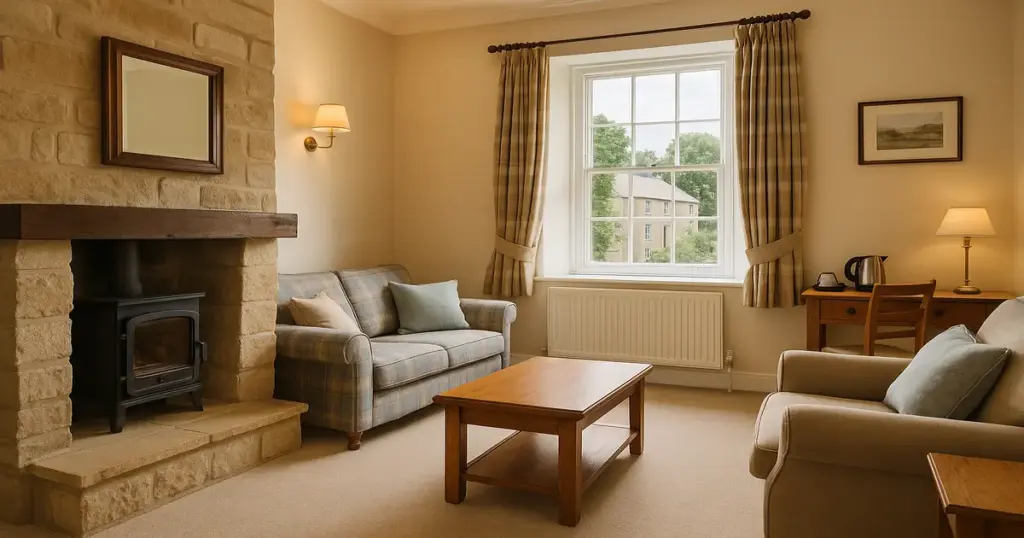
Furnished Holiday Lets, Short-Term Lets and Tax: What Landlords Must Know in England
With the rise of Airbnb-style rentals and holiday accommodation, more landlords are turning to short-term letting to achieve higher yields and greater flexibility.
However, the tax treatment of Furnished Holiday Lets, Short-Term Lets, and Tax: What Landlords Must Know in England differs significantly from that of traditional long-term rentals.
Understanding these rules can unlock tax advantages, prevent compliance errors, and help landlords plan strategically for the future.
This guide explains how furnished holiday lets (FHLs) are taxed, how they differ from standard residential tenancies, and what landlords must do to qualify for valuable tax reliefs.
What Qualifies as a Furnished Holiday Let in England
A Furnished Holiday Let is not treated as a standard residential rental under UK tax law. To qualify, the property must meet specific conditions defined by HMRC.
It must be located in the UK or the European Economic Area and be furnished to a standard suitable for regular occupation.
In addition, the property must meet the following letting conditions within each tax year:
- It must be available to let for at least 210 days per year.
- It must actually be let to the public for at least 105 days.
- It cannot be let to the same tenant for more than 31 consecutive days for more than 155 days in total.
If these criteria are not met, the property may lose its FHL status and be treated as a standard buy-to-let, which would change its tax treatment.
Tax Advantages of Furnished Holiday Lets
One of the key differences between Furnished Holiday Lets, Short-Term Lets and Tax: What Landlords Must Know in England is the favourable tax treatment available to FHL landlords. Unlike standard rentals, an FHL is considered a business, not an investment.
This business classification unlocks several significant tax benefits:
Full Mortgage Interest Deduction
Unlike ordinary landlords, who are restricted by Section 24, FHL owners can deduct 100% of mortgage interest from their rental profits before calculating tax.
Capital Allowances
Landlords can claim capital allowances on furniture, fittings, and equipment used in the property, such as beds, kitchen appliances, and carpets. This allows tax relief on items that wouldn’t qualify under standard letting rules.
Business Asset Disposal Relief (BADR)
If the landlord sells a furnished holiday let, they may qualify for Business Asset Disposal Relief, reducing Capital Gains Tax to 10% on qualifying gains up to £1 million.
Pension Contributions
Profits from an FHL can count as earnings for pension purposes, allowing landlords to make tax-deductible pension contributions — something not available to standard buy-to-let investors.
Inheritance Tax Relief
In some cases, an actively managed FHL may qualify for Business Property Relief, potentially reducing Inheritance Tax liability. However, this depends on the level of activity and the level of professional management involved.
Tax Treatment of Standard Residential Lettings
For comparison, long-term residential landlords in England face stricter tax limits. Since the phasing in of Section 24, they can no longer deduct the full mortgage interest. Instead, they receive a 20% tax credit, which disadvantages higher-rate taxpayers.
Standard residential income is also treated as passive investment income, meaning:
- No capital allowances are available for furniture or fixtures.
- Business reliefs and pension contributions do not apply.
- Losses can only be offset against other property income, not general income.
This difference explains why many landlords are shifting toward short-term letting models, where profits may be higher and tax reliefs more generous.
National Insurance and FHL Income
FHL income is technically treated as trading income rather than investment income. However, National Insurance contributions do not automatically apply unless the activity qualifies as a whole business with regular turnover and management.
If the operation resembles a serviced accommodation business with guest turnover, cleaning, and active management, landlords may be considered self-employed and required to pay Class 2 and Class 4 NI contributions.
It’s essential to assess this with a tax adviser, as HMRC applies these rules on a case-by-case basis.
Capital Gains Tax and Furnished Holiday Lets
The treatment of Capital Gains Tax (CGT) is another significant distinction between Furnished Holiday Lets, Short-Term Lets, and ordinary property income.
When selling an FHL, landlords benefit from:
- Business Asset Disposal Relief (CGT at 10% instead of 24%).
- Rollover Relief, allowing reinvestment in another qualifying property without paying CGT immediately.
- Gift Holdover Relief, allowing property transfers without triggering immediate CGT liability.
These reliefs can save thousands compared to standard buy-to-let sales, where CGT is 18% for basic-rate and 24% for higher-rate taxpayers.
VAT Considerations for Holiday Let Landlords
If gross turnover from short-term letting exceeds £90,000 per year, landlords may need to register for VAT. This requirement applies particularly to those managing multiple properties or operating full-time in the short-term rental market.
While VAT registration increases administrative responsibility, it can also allow landlords to reclaim VAT on refurbishment, cleaning, and marketing costs.
Everyday Expenses Landlords Can Deduct
For both furnished holiday lets and short-term lets, landlords can claim a wide range of legitimate business expenses, including:
- Cleaning and maintenance services.
- Utilities and council tax.
- Letting agent or booking platform fees.
- Insurance, repairs, and advertising.
- Accountancy and legal fees.
These deductions reduce taxable profit and ensure compliance with HMRC’s rules. Always maintain receipts and detailed records to support any claims.
Potential Drawbacks of Furnished Holiday Lets
Although FHLs offer significant tax benefits, they come with stricter compliance and management demands.
Landlords should be aware that:
- FHL qualification must be met every year. If not, the property is taxed as a standard buy-to-let.
- Some local councils now require planning permission or impose tourism levies.
- There may be higher maintenance costs due to guest turnover.
- Insurance, cleaning, and marketing expenses are typically greater.
Failing to meet the qualifying days or failing to keep records can result in losing valuable reliefs.
Smart Tax Planning Strategies
Landlords can make the most of Furnished Holiday Lets, Short-Term Lets and Tax: What Landlords Must Know in England by planning carefully and adopting proactive financial strategies.
Review Ownership Structure
Joint ownership or transferring property into a limited company can optimise tax bands and inheritance planning.
Use the Averaging Election
If one FHL property doesn’t meet the 105-day letting requirement but others do, landlords can average across their portfolio to retain FHL status.
Plan for Seasonality
Consider when to take personal use or renovations to ensure availability conditions are met for tax purposes.
Claim All Capital Allowances
Many landlords underclaim allowances on fixtures, fittings, and refurbishment. These can significantly reduce taxable profit.
Seek Specialist Advice
Because the FHL regime is complex, professional tax guidance ensures compliance and helps identify reliefs that apply to your situation.
FAQs
What happens if my property no longer qualifies as a furnished holiday let?
It will be treated as a standard residential letting, losing FHL tax reliefs. You can use the “period of grace” election if short-term letting activity drops temporarily.
Do I pay National Insurance on FHL income?
Only if it counts as a trade. Most landlords do not, unless running an active, full-service accommodation business.
Can I offset FHL losses against other income?
No, losses from FHLs can only offset future profits from the same type of property letting.
Do FHLs need to be registered with HMRC?
Yes, landlords must declare income on their Self Assessment and specify it as FHL income.
Can I use my FHL for personal holidays?
Yes, but personal use days cannot count toward the 105-day letting requirement.
Conclusion
The rules governing Furnished Holiday Lets, Short-Term Lets and Tax: What Landlords Must Know in England offer unique opportunities for landlords to maximise profits and minimise tax.
With full mortgage interest deduction, business reliefs, and capital allowances, FHLs can be far more tax-efficient than standard residential lets. However, success depends on meeting strict qualifying conditions and maintaining accurate records.
Whether you’re converting a buy-to-let into a holiday let or starting fresh, proactive planning and professional advice will ensure you stay compliant while taking full advantage of the generous reliefs available.
Read our top-read blogs:
Why Landlords Are Selling Up Urgently?
The Renters Reform Bill: A Step Backwards for Landlords and the Housing Market?
Defending a Claim for Unlawful Eviction
Need help now? Contact Landlord Advice UK today for tailored guidance and practical support to future-proof your rental business.
Useful External Links
https://www.gov.uk/expenses-if-you-rent-out-a-property
https://www.gov.uk/government/publications/furnished-holiday-lettings
https://www.gov.uk/guidance/income-tax-when-you-rent-out-a-property
https://www.gov.uk/guidance/capital-allowances-furnished-holiday-lettings