
What to Do If a Tenant Refuses to Leave After Notice
When a tenant refuses to leave after notice, it can be one of the most stressful experiences for any landlord. Despite serving a valid eviction notice, some tenants overstay, forcing landlords into complex legal territory. Understanding your rights and next steps ensures you remain compliant with the law while protecting your property and income.
Understanding the Legal Framework
In England, tenant eviction is governed by the Housing Act 1988 and related legislation. When a tenant refuses to leave after notice, the landlord cannot simply change the locks or remove the tenant’s belongings, as doing so could amount to an illegal eviction, which carries severe legal consequences.
There are two main legal routes for ending a tenancy:
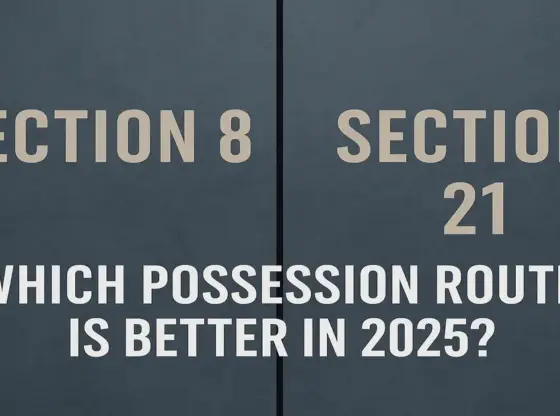
- Section 21 Notice: For ‘no-fault’ evictions, typically when a fixed-term tenancy ends or a periodic tenancy continues.
- Section 8 Notice: Used when tenants have breached the tenancy, such as rent arrears, damage, or antisocial behaviour.
If a tenant refuses to leave after notice under either section, the landlord must follow a formal possession process through the courts.
Step 1: Confirm the Validity of the Notice
Before escalating, check that your notice was correctly served and valid. Common errors can delay possession claims.
Key points include:
- The notice must comply with the correct form (Form 6A for Section 21).
- The notice period must be respected (currently two months for Section 21, though it may vary).
- All prescribed documents, such as the gas safety certificate, EPC, and ‘How to Rent’ guide, must have been provided before the tenancy began.
- The deposit must have been protected in a government-approved scheme, and the tenant given the prescribed information within 30 days.
If any requirement was missed, the tenant may have a valid defence and can legally remain until a new notice is served.
Step 2: Communicate and Negotiate
Sometimes, open communication resolves the situation faster than legal escalation. Politely remind the tenant of the notice expiry date, their obligations, and the potential legal costs they may face if they remain in the property unlawfully.
Offer reasonable support, such as a flexible move-out date or help finding alternative accommodation, particularly if the tenant’s delay is due to genuine hardship. Written communication is essential; keep records of all correspondence in case you need them in court.
Step 3: Apply for a Possession Order
If the tenant refuses to leave after notice and negotiation fail, the next step is to apply to the court for possession.
There are two main types of possession proceedings:
- Accelerated Possession Order (for Section 21):
- Suitable if you are not claiming rent arrears. It is a paper-based process and usually faster since there is no hearing unless the tenant disputes the claim.
- Standard Possession Order (for Section 8 or rent arrears):
- This involves a court hearing. If the judge grants possession, the tenant is given a date to vacate, typically 14 days, though this can be extended in cases of hardship.
If the tenant still refuses to leave after the court’s deadline, you must apply for a warrant of possession to instruct county court bailiffs.
Step 4: Enforce with Bailiffs or High Court Enforcement Officers
When the court order expires and the tenant continues to occupy the property, enforcement becomes necessary. Only authorised enforcement agents (county court bailiffs or High Court Enforcement Officers) can lawfully remove a tenant.
Attempting to evict a tenant yourself by changing locks or shutting off utilities is illegal and can lead to prosecution. Once the warrant or writ is granted, the bailiffs will serve notice of the eviction date and carry out the removal if the tenant still refuses to vacate.
This formal process ensures that the landlord’s rights are protected and avoids any risk of being accused of unlawful eviction.
Step 5: Recovering Rent Arrears or Damages
When a tenant refuses to leave after notice, unpaid rent often accumulates. Once possession is granted, landlords can pursue rent arrears, court fees, and costs through a separate money judgment. This can be enforced via deductions from wages, attachment of earnings, or seizure of assets.
Additionally, if the tenant caused damage or left the property in disrepair, you may deduct costs from the deposit or claim compensation through the courts.
Step 6: Preventing Future Problems
The best way to avoid disputes when a tenant refuses to leave after notice is to prevent them. Always conduct thorough tenant referencing and use a professionally drafted tenancy agreement. Regular property inspections and clear communication also reduce misunderstandings.
Consider working with a professional eviction company that specializes in serving valid notices and handling possession proceedings. These firms ensure compliance at every stage, reducing the risk of procedural errors or costly delays.
When to Call a Professional Eviction Service
If the tenant refuses to leave after notice and you are unsure how to proceed, professional eviction services can manage the entire process legally and efficiently. They handle:
- Drafting and serving valid Section 8 or Section 21 notices.
- Preparing possession claims and court documentation.
- Representing landlords at hearings.
- Liaising with bailiffs for enforcement.
Their expertise ensures landlords avoid the pitfalls of DIY evictions, saving time, stress, and money.
Key Legal Reminders
- Never attempt a self-help eviction.
- Keep written evidence of all actions.
- Follow all statutory requirements.
- Seek legal advice before escalating.
Failure to comply with the correct legal process can result in criminal prosecution, fines, and compensation orders for unlawful eviction.
FAQs
Can I change the locks once the notice expires?
No. Even if the tenant refuses to leave after notice, you must obtain a possession order and warrant before changing the locks.
What if the tenant owes rent but still refuses to go?
You can use a Section 8 notice for rent arrears and claim both possession and arrears through court proceedings.
How long does it take to evict a tenant who refuses to leave?
Depending on court backlogs, the process can take between 8 and 16 weeks from the date of application. Professional eviction firms can help streamline this.
What if the tenant damages the property before leaving?
You may deduct repair costs from the deposit or claim damages separately through the small claims court.
Do I need a solicitor to evict a tenant?
Not always, but professional help ensures the process is lawful and avoids costly mistakes that could invalidate your claim.
Conclusion
When a tenant refuses to leave after notice, patience, legality, and procedure are crucial. Eviction law in England vigorously protects tenants, meaning landlords must rely on proper legal channels to regain possession.
By serving a valid notice, maintaining clear records, and using professional eviction support, landlords can reclaim their property efficiently without breaching the law.
Read our top read blogs:
Why Landlords Are Selling Up Urgently?
The Renters Reform Bill: A Step Backwards for Landlords and the Housing Market?
Defending a Claim for Unlawful Eviction
Need help now? Contact Landlord Advice UK today for tailored guidance and practical support to future-proof your rental business.