When Tenants Deny Access for Repairs: What English Landlords Can Lawfully Do
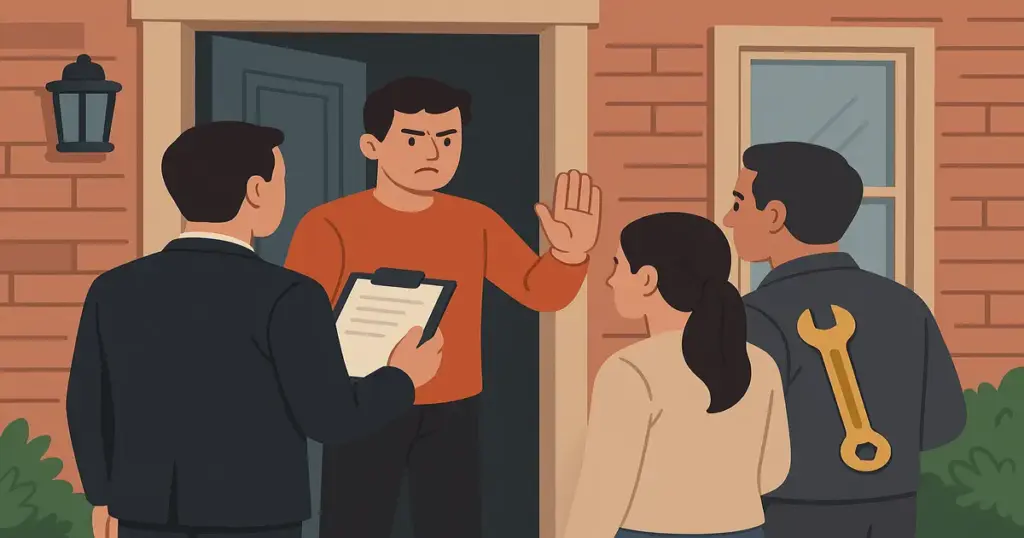
When tenants deny access for repairs, the situation can quickly escalate into a compliance risk for landlords across England. This high-SEO article explains When Tenants Deny Access for Repairs: What English Landlords Can Lawfully Do, outlines lawful rights, and provides practical steps to resolve a repairs access dispute without delay.
The phrase “When Tenants Deny Access for Repairs: What English Landlords Can Lawfully Do” is naturally repeated throughout for stronger optimisation.
Understanding Landlord Access Rights in England
Landlords have a legal duty to keep essential parts of the property in good repair. This duty applies even when Tenants Deny Access for Repairs: What English Landlords Can Lawfully Do becomes your core concern.
The law requires tenants to allow reasonable access when the landlord gives written notice for inspections or essential repair work.
Access must always be requested with at least twenty-four hours’ written notice.
Access must also take place at a reasonable time of day. Even with these rules followed, some tenants still refuse entry, which can affect safety compliance and increase the risk of enforcement action.
Why Tenants Commonly Refuse Access
A repair access dispute can arise for various reasons. Tenants may feel uncomfortable with contractors, misunderstand their obligations, worry about disruption, or use access refusal as leverage in an unrelated dispute.
When Tenants Deny Access for Repairs: What English Landlords Can Lawfully Do becomes especially important if the repair is required to address hazards that could breach the Housing Health and Safety Rating System.
If a tenant is deliberately blocking repairs, landlords should document every attempted appointment. This protects you if the dispute escalates to council involvement or legal action.
How to Request Access the Right Way
Clear communication reduces conflict. Written notice should describe why access is needed, who will attend, and what work will be carried out. Keeping the tone calm and professional is essential.
When Tenants Deny Access for Repairs: What English Landlords Can Lawfully Do also involves giving tenants multiple alternative appointment slots to show the landlord is acting reasonably.
If a statutory safety check is required, such as an annual gas safety check or a five-yearly electrical safety check, landlords should remind the tenant that refusal can place them at risk. Evidence of repeated attempts will be vital if the local authority asks for proof of compliance efforts.
When Access Refusal Becomes a Legal Issue
Consistent access refusal can lead to property damage, safety breaches, and complaints to the council. Landlords must never enter without consent except in genuine emergencies. An emergency includes events such as uncontained water leaks, fires, or gas leaks.
When Tenants Deny Access for Repairs: What English Landlords Can Lawfully Do includes correctly escalating the issue. The first step is to send a formal written notice explaining that the refusal breaches the tenancy agreement. The next step may involve mediation, local authority support, or, in extreme cases, seeking an injunction compelling access.
Using Local Authorities for Assistance
Local authorities can intervene if a tenant refuses access for safety checks or repair work needed to prevent hazards. Councils expect landlords to show attempts to communicate, written notices, and flexibility with appointment times.
If the council believes the refusal creates risk, they may write to the tenant explaining their obligation to cooperate. This often resolves the problem quickly.
Can You Charge the Tenant for Delays?
Charges can be considered only when the tenancy agreement expressly allows recovery of costs resulting from an unreasonable refusal. Even with such a clause, landlords must use it carefully and fairly.
A repair access dispute must be fully documented, and the tenant must be given clear warnings before costs are applied.
When Injunctions Are Appropriate
If refusal is persistent and the repair is essential, landlords can apply to the court for an injunction requiring the tenant to provide access. This is typically a last resort and should be used only in severe cases involving safety, structural issues, or legal compliance checks.
Courts will want to see all correspondence, all notices, and evidence that the landlord acted lawfully and reasonably.
Preventing Future Access Disputes
Tenants are more willing to cooperate when they understand why the work is needed and how long it will take. Offering updates, minimising disruption, and using reputable contractors all build trust.
Adding clear access clauses in the tenancy agreement also helps prevent disputes later. A strong communication trail will protect landlords if the matter escalates.
FAQs
What if the tenant refuses access for a gas safety check?
The landlord must keep proof of all attempts. The council may intervene if the refusal poses a safety risk. Never force entry unless there is a genuine emergency.
Can the landlord enter without permission for routine repairs?
No. Non-emergency entry always requires agreement and written notice.
Can a landlord evict a tenant for refusing access?
Eviction should never be the first response. Document the refusal and seek advice before considering any action.
Is an emergency the only time a landlord can enter without consent?
Yes. Emergencies that could cause harm or significant damage allow immediate entry.
Conclusion
When Tenants Deny Access for Repairs: What English Landlords Can Lawfully Do depends on careful documentation, clear communication, and strict legal compliance.
Access refusal can put landlords at risk, but following the lawful steps above ensures both the tenancy and the property remain protected. A structured, calm, and evidence-based approach is the best way to resolve any repairs access dispute in England.
Useful External Links
https://www.gov.uk/private-renting
https://www.gov.uk/renting-out-a-property
https://england.shelter.org.uk
https://www.gov.uk/government/collections/housing-health-and-safety-rating-system-hhsrs-guidance