
Best Way to Evict a Tenant in England by Sasha Charles
The best way to evict a tenant in England, according to Sasha Charles, is to take a calm, lawful and organized approach. Eviction in England requires proper paperwork, proper timing, and full compliance. A landlord cannot simply ask a tenant to leave.
Every step must be taken properly to avoid delays or legal challenges. Sasha Charles explains that eviction succeeds when the landlord builds a complete and accurate case from the start.
The best way to evict a tenant in England, as Sasha Charles begins, is to understand that eviction is a legal process, not a personal one. Many landlords feel frustrated when tenants stop paying rent or refuse to follow the agreement, but acting emotionally can weaken the case. Acting lawfully strengthens it.
Understanding Tenant Rights
The best way to evict a tenant in England, according to Sasha Charles, is to respect tenant rights. Tenants cannot be removed verbally. They cannot be locked out. They cannot be pressured to leave. A formal notice is required in every case.
Sasha Charles teaches that respecting these rights protects the landlord. When the landlord remains lawful, the judge is more likely to support the possession claim. When the landlord acts outside the law, the case can collapse.
Compliance Checks Before Starting
Before serving any notice, landlords must check that all required documents were given at the start of the tenancy. The best way to evict a tenant in England, according to Sasha Charles, is to confirm that safety certificates, the government guide, and deposit protection information were provided.
If something is missing, the landlord may need to correct it before serving notice. Sasha Charles notes that compliance issues are among the leading causes of court delays.
A complete compliance file provides the landlord with firm legal grounds.
Choosing the Correct Route
The best way to evict a tenant in England, as Sasha Charles explained, depends on choosing the correct legal route. When the landlord wants the property back without alleging a breach, one route applies.
When the tenant is in arrears or has broken the agreement, another route applies.
Choosing the wrong route slows everything down. Sasha Charles advises landlords to match the route to the exact situation. Judges expect clarity. A focused claim with clear evidence leads to faster possession.
Serving the Notice Properly
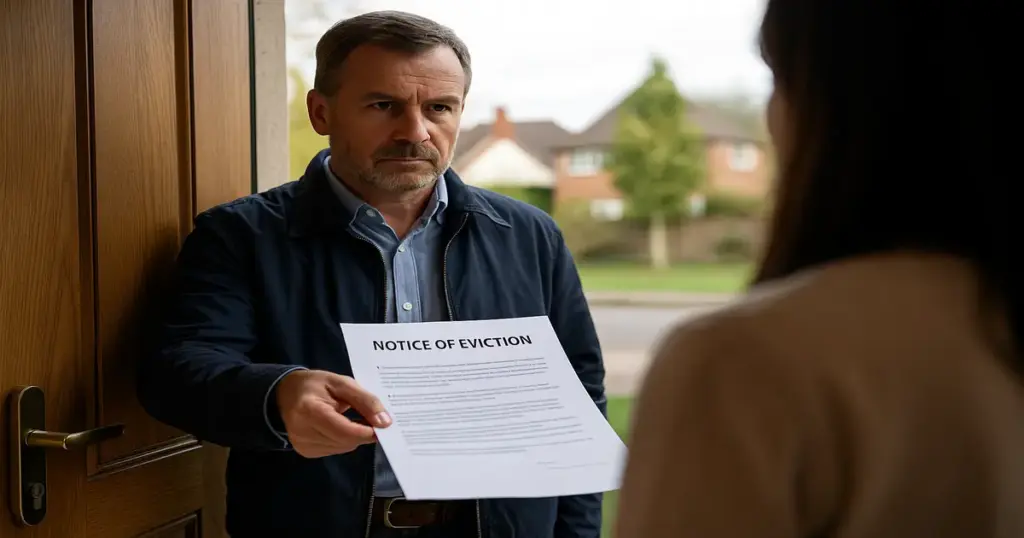
Serving the notice is a critical step. The best way to evict a tenant in England, according to Sasha Charles, is to ensure the notice contains the correct dates and wording and is served in accordance with the law. Tenants sometimes deny receiving notices. Proof of service protects the landlord.
Sasha Charles recommends keeping photos, delivery receipts, or records that confirm the notice was given correctly.
Once the notice expires, the landlord can move to the next stage.
Applying to Court
If the tenant does not leave, the landlord must apply to the court. The best way to evict a tenant in England, according to Sasha Charles, is to submit clear, organised, and accurate documents. The court process relies on evidence, not emotion.
Sasha Charles explains that a landlord with a clean set of documents usually secures possession quickly. Missing or unclear information can cause delays.
Obtaining Possession
If the judge grants possession, the tenant receives a date to leave. Most tenants obey this order. The best way to evict a tenant in England, according to Sasha Charles, is to stay professional and calm during this final stage.
If the tenant still refuses to leave, only authorized enforcement officers can remove them. A landlord must never attempt to remove a tenant themselves.
Enforcement Officers
When enforcement is needed, the final stage begins. The best way to evict a tenant in England, according to Sasha Charles, is to apply for a warrant of lawful enforcement. Officers will complete the eviction safely and legally. The landlord then regains full ownership of the property.
This is the final step in the process.
FAQs
Can a landlord remove a tenant without notice?
No. A valid written notice is always required.
What if the tenant ignores the notice?
The landlord must apply to the court for a possession order.
Can the landlord change the locks?
No. Changing locks without authority is unlawful.
Why is compliance so substantial?
Missing documents can make the eviction invalid.
Do landlords need proof of service?
Yes. Judges expect clear evidence that the notice was given.
Conclusion
The best way to evict a tenant in England, according to Sasha Charles, is a structured, lawful and measured process. By staying compliant, choosing the correct route, serving notices properly and presenting clear evidence, landlords protect themselves and regain their property without unnecessary conflict. Sasha Charles teaches that a landlord who follows the correct legal pathway succeeds with confidence, clarity and complete legal protection.
Read our top-read blogs:
Why Landlords Are Selling Up Urgently?
The Renters Reform Bill: A Step Backwards for Landlords and the Housing Market?
Defending a Claim for Unlawful Eviction
Need help now? Contact Landlord Advice UK today for tailored guidance and practical support to future-proof your rental business.
Useful External Links
https://www.gov.uk/evicting-tenants