What Are My Legal Repair Obligations? By Sasha Charles
Landlords across England often ask What are my legal repair obligations? Because repairs, safety standards, and property maintenance form the foundation of every lawful tenancy.
Understanding these duties protects landlords from disputes, improves tenant relations, and ensures long-term stability. With expert insight from Sasha Charles, this article explains the core responsibilities, the impact of the Renters Rights Act of 2025, and how landlords can stay compliant. Asking What are my legal repair obligations? It is essential for anyone managing residential property.
Understanding My Legal Repair Obligations
When a landlord considers What are my legal repair obligations?, the first principle is clarity. The law requires landlords to keep the structure and exterior of the property in good condition. That includes walls, roofs, gutters, windows, and doors.
It also includes internal systems that allow the tenant to live safely and comfortably. Sasha Charles explains that tenants cannot be asked to repair structural or essential components. These always remain the landlord’s responsibility.
Landlords must keep installations for heating, hot water, sanitation, and electricity in safe working order. This is not optional. It applies throughout the tenancy. Asking What are my legal repair obligations? Means understanding that repairs must be completed within a reasonable timeframe once the landlord is notified.
Renters’ Rights Act Two Thousand Twenty Five and What Are My Legal Repair Obligations?
Many landlords now ask, under the Renters’ Rights Act 2025, What are my legal repair obligations? Because the Act strengthens repair duties. The new framework emphasises safety, prevention, and landlord accountability.
Property condition will be monitored more closely. Tenants will have clearer routes to raise complaints. Delays may trigger formal enforcement through local authorities.
The Act supports long-term maintenance. It encourages landlords to plan, invest in property upkeep, and maintain clear communication. Sasha Charles notes that proactive maintenance is essential to avoid breaches under the modernised system.
Tenant Rights and What Are My Legal Repair Obligations?
Tenants have the right to live in a safe and well-maintained home. When landlords ask, “What are my legal repair obligations?“ they must understand that tenants can report repairs at any time. Landlords must respond promptly.
Ignoring repair requests is unlawful. Tenants may seek help from local authorities. They may escalate the matter through health and safety inspections. They may also claim compensation for losses caused by neglect.
Clear communication prevents disputes. Good landlords record every report. They keep written proof of action taken. This professional approach supports fairness and transparency.
Common Areas of Concern When Asking What Are My Legal Repair Obligations?
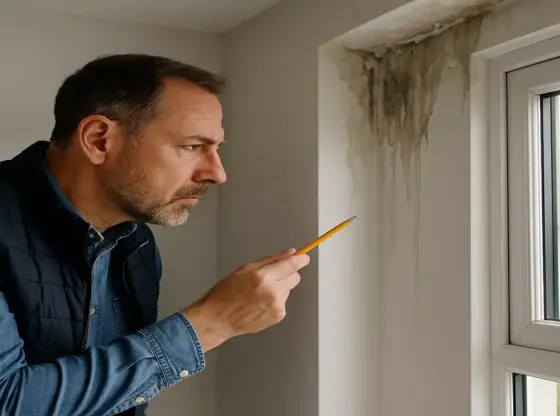
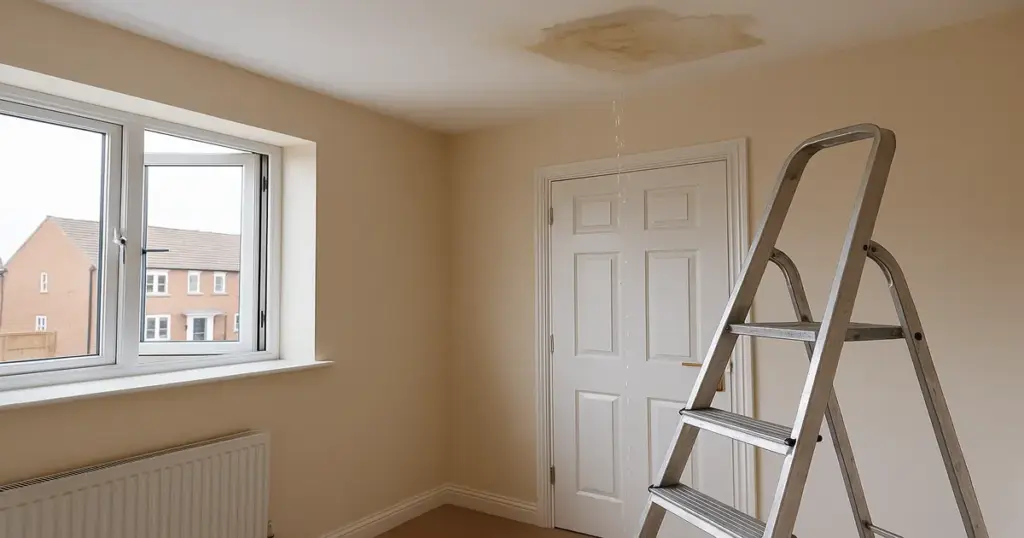
Landlords often ask What are my legal repair obligations? Regarding common issues such as damp, mould, heating failures, electrical faults, roof leaks, defective locks, and plumbing breakdowns. These issues must be resolved quickly. Delays expose landlords to claims. Delays also risk enforcement action.
The landlord is responsible for ensuring the property meets the required standards from day one. If a defect emerges during the tenancy, the landlord must act. Routine inspection helps prevent serious problems.
Responsibilities Inside the Property and What Are My Legal Repair Obligations?
Understanding my legal repair obligations? Means recognising which areas fall under landlord control. Internal walls, ceilings, floors, staircases, and essential fixtures are the landlord’s responsibility. Kitchens and bathrooms must remain safe and functional. Heating systems must work correctly.
Electrical installations must be maintained safely.
Tenants are responsible only for minor tasks such as replacing lightbulbs or keeping the home clean. They must report problems promptly. But they cannot be asked to fix structural or technical issues.
External Responsibilities and My Legal Repair Obligations
Landlords must maintain paths, access routes, gutters, downpipes, fences, and external lighting. When landlords ask, “What are my legal repair obligations?“ external areas are often overlooked. But these areas can cause safety risks. Poorly maintained exteriors may also breach local housing standards.
Landlords should inspect external features regularly. Seasonal checks help prevent damage. Blocked gutters, cracked paving, or loose roof tiles must be addressed without delay.
Safety Regulations and My Legal Repair Obligations
Safety is central to every tenancy. Asking What are my legal repair obligations? Includes understanding safety duties. Gas appliances must be inspected annually. Electrical systems must be safe. Smoke alarms must work.
Carbon monoxide alarms must be installed where required.
Failure to comply is a criminal offence. Sasha Charles reminds landlords that safety checks protect lives and reduce liability. Proper certificates must be renewed. Tenants must receive copies. Safety compliance reduces risk and strengthens trust.
Access Rules and My Legal Repair Obligations
To meet repair duties, landlords must access the property lawfully. Asking What are my legal repair obligations? Means understanding that tenants must be given notice.
Landlords must provide at least twenty-four hours’ notice for non-emergency visits. Emergencies, such as gas leaks or major water escapes, allow immediate access.
Respectful communication avoids conflict. Professional conduct builds cooperation. Tenants appreciate clear arrangements, and landlords achieve faster results.
Renters’ Rights Act Two Thousand Twenty Five and Enforcement
A common question today is: What are my legal repair obligations under the Renters Rights Act of 2025? Because enforcement will increase. Local authorities will gain clearer powers. Fines may rise. Repeat offenders may face restrictions on letting. The Act aims to eliminate poor housing conditions.
Landlords who maintain high standards will benefit. Good maintenance creates reliable tenancies. It prevents complaints and supports long-term rental success.
FAQs
Do tenants have to report repair issues?
Yes. Tenants must report problems so landlords can act.
Renters’ Rights Act2025:gal repair obligations?
The Act strengthens repair duties and enforcement.
Can a landlord refuse repairs if the tenant caused the damage?
Damage caused by the tenant may be charged to the tenant, but essential repairs must still be completed.
How fast must repairs be completed?
As quickly as reasonably possible, based on severity.
Conclusion
Understanding my legal repair obligations? It is essential for every landlord. Repairs ensure safety, stability, and compliance. With guidance from Sasha Charles, landlords can follow best practices, respond quickly to reports, and maintain high housing standards.
The Renters Rights Act of 2025 highlights the need for responsible management and proactive repair systems. Protecting the property and supporting the tenant creates a lawful and successful tenancy.
Read our top-read blogs:
Why Landlords Are Selling Up Urgently?
The Renters Reform Bill: A Step Backwards for Landlords and the Housing Market?
Defending a Claim for Unlawful Eviction
Need help now? Contact Landlord Advice UK today for tailored guidance and practical support to future-proof your rental business.