
Common Mistakes That Delay Your Accelerated Possession Claim
For landlords in England, the accelerated possession claim remains one of the quickest and simplest routes to regain property after serving a valid Section 21 notice. However, small technical mistakes can turn a fast-track claim into a lengthy, frustrating ordeal. Many landlords face unnecessary court delays simply because they missed a crucial detail. This article explores the common mistakes that delay your accelerated possession claim and explains how to avoid them for a smooth, successful eviction process.
Understanding the Accelerated Possession Claim
The accelerated possession claim is a streamlined legal process under the Housing Act 1988. It allows landlords to seek possession of their property without a full hearing if the tenant does not dispute the claim. The process is designed for cases where the landlord is not seeking rent arrears, only possession.
To qualify for this fast-track route:
- The tenancy must be an Assured Shorthold Tenancy (AST).
- A valid Section 21 notice must have been served.
- The tenancy must be in writing.
- The landlord must have complied with all deposit and safety requirements.
Despite its simplicity, many landlords still make errors that delay the accelerated possession claim, often pushing back possession by several months.
Mistake 1: Serving an Invalid Section 21 Notice
The single biggest reason for delay is an invalid Section 21 notice. The court will not process your accelerated possession claim if the notice is defective. Common errors include:
- Using an outdated Form 6A.
- Failing to give the correct two months’ notice.
- The notice does not specify how and when it was served.
- Serving the notice before the end of a fixed term.
The Section 21 notice must also comply with all statutory requirements, including tenant deposit protection and safety documentation. Even a minor error, such as missing a date or an incorrect tenant name, can invalidate the notice entirely.
Mistake 2: Failing to Protect the Deposit Properly
Deposit protection remains one of the most common pitfalls for landlords. Under the Housing Act 2004, landlords must protect the tenant’s deposit within 30 days of receipt and provide the Prescribed Information.
If you fail to protect the deposit correctly, you cannot serve a valid Section 21 notice until the issue is rectified. In many cases, landlords must refund the deposit in full before proceeding with an accelerated possession claim.
Always ensure you:
- Use an approved deposit protection scheme (TDS, DPS, or MyDeposits).
- Provide the correct documentation to the tenant.
- Keep proof of compliance before issuing the notice.
Mistake 3: Missing Mandatory Compliance Documents
Courts regularly reject or delay claims where landlords have failed to provide tenants with key compliance documents before serving the Section 21 notice. These include:
- Gas Safety Certificate (CP12).
- Energy Performance Certificate (EPC).
- Government’s How to Rent Guide (the latest version).
Each document must have been given to the tenant before the tenancy began (or within the legal timeframe). If you cannot prove compliance, your accelerated possession claim will likely be dismissed or delayed.
Mistake 4: Incomplete or Incorrect Claim Forms
When filing your accelerated possession claim, accuracy is everything. The main form used is N5B, available online or by post. The form requires detailed information about the tenancy, notice, and compliance documents.
Common errors that delay the process include:
- Missing signatures.
- Wrong property address or tenant details.
- Incorrect dates for notice service or tenancy start.
- Failing to attach supporting evidence.
Courts will either reject the application or request additional information, adding weeks or even months to the process. Double-checking every section before submission prevents these costly delays.
Mistake 5: Not Providing Proof of Service
The court must be satisfied that the Section 21 notice was served correctly. Failure to provide proof can halt your accelerated possession claim.
Accepted proof includes:
- Certificate of Service (Form N215).
- Recorded delivery receipt.
- Witness statement confirming delivery by hand.
Always retain evidence showing when and how the notice was served. Without it, the court may question whether the tenant received the notice, causing a significant delay.
Mistake 6: Claiming Rent Arrears in an Accelerated Possession Claim
The accelerated possession claim cannot include rent arrears. It is for possession only. Landlords often mistakenly try to recover unpaid rent through this process, which leads to rejection or adjournment.
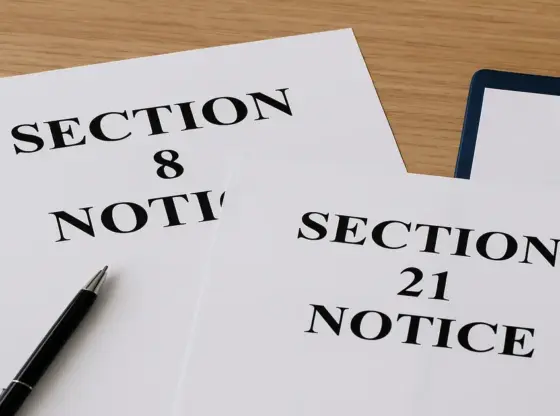
If you need to recover rent, file a separate money claim or use a Section 8 possession claim. Mixing claims only slows down your application.
Mistake 7: Submitting the Wrong or Incomplete Evidence
Every accelerated possession claim must include the following documents:
- A copy of the tenancy agreement.
- The Section 21 notice and proof of service.
- The Prescribed Information for the deposit scheme.
- Copies of the Gas Safety Certificate, EPC, and How to Rent Guide.
Missing even one of these will delay the claim. The judge cannot make a possession order without clear evidence of compliance.
Mistake 8: Tenant Defence or Dispute
Even a flawless accelerated possession claim can be delayed if the tenant files a defence. Common defences include claims of disrepair, deposit disputes, or allegations of retaliatory eviction.
To avoid complications:
- Keep records of property inspections and repairs.
- Respond to maintenance requests promptly.
- Ensure communication with tenants is professional and documented.
Substantial evidence and compliance make it harder for tenants to raise successful defences.
Mistake 9: Filing in the Wrong Court
Although the accelerated possession claim can be filed online through the Possession Claim Online (PCOL) system, some landlords mistakenly send paper forms to the wrong County Court. This leads to rejection and the need to re-file.
Always ensure you:
- Use the PCOL portal for online claims: https://www.possessionclaim.gov.uk/pcol
- If filing by post, send the N5B form to the County Court that handles housing possession cases.
Mistake 10: Expecting Instant Possession
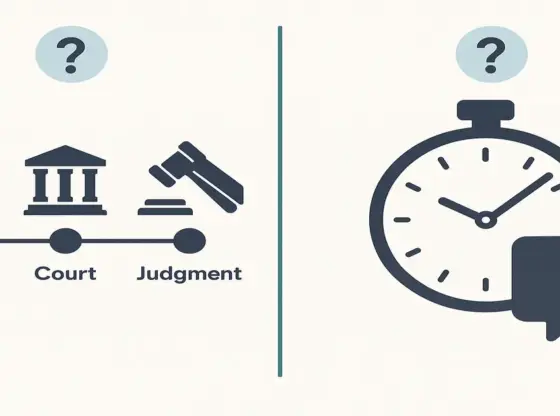
Even though the accelerated possession claim is designed for speed, landlords often underestimate how long the process takes. The average timeline is 6–10 weeks, depending on court workload and whether the tenant responds.
Unrealistic expectations cause frustration, but accurate preparation and compliance significantly reduce waiting times.
How to Avoid Delays
To avoid the common mistakes that delay your accelerated possession claim, landlords should:
- Use the latest forms and guidance from official sources.
- Check all legal documents for accuracy and completeness.
- Keep clear, dated evidence of service and compliance.
- Seek expert help if uncertain about any stage.
Professional eviction specialists can file the claim on your behalf, ensuring it meets all requirements and progresses without delay.
FAQs
Can I include rent arrears in an accelerated possession claim?
No. This route is only for possession. You must file a separate money claim for arrears.
What if my tenant disputes the claim?
The court may schedule a short hearing, which can delay possession by several weeks.
Can I use the accelerated possession route without a written tenancy agreement?
No. A written agreement is mandatory.
How can I make the process faster?
Ensure all documentation is valid, proof of service is clear, and compliance requirements are fully met before filing.
Conclusion
The common mistakes that delay your accelerated possession claim are almost always avoidable with proper preparation and compliance. From invalid Section 21 notices to missing documents, even minor oversights can derail your case.
By double-checking every step and using the correct legal forms, landlords can ensure a faster, smoother possession process. In 2025, precision and compliance remain the keys to regaining your property quickly and efficiently.
Read our top read blogs:
Why Landlords Are Selling Up Urgently?
The Renters Reform Bill: A Step Backwards for Landlords and the Housing Market?
Defending a Claim for Unlawful Eviction
Need help now? Contact Landlord Advice UK today for tailored guidance and practical support to future-proof your rental business.
Useful External Links
https://www.gov.uk/evicting-tenants