
How the Renters’ Rights Bill Changes Section 8 Evictions
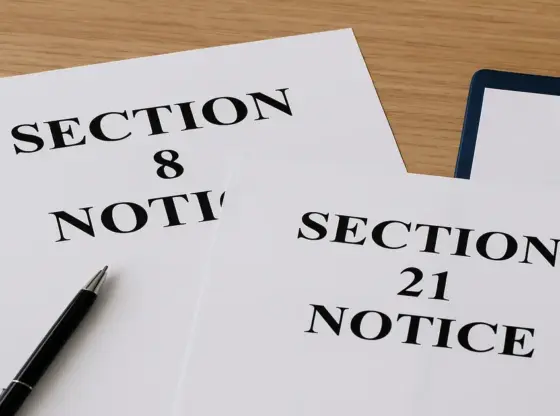
The Renters’ Rights Bill changes have transformed how landlords can recover possession of their properties in 2025. With Section 21 now abolished, landlords must rely entirely on Section 8 eviction procedures for 2025.
This change introduces new eviction grounds, more explicit tenant protections, and a restructured legal process. Understanding how these reforms affect your rights as a landlord is essential to staying compliant and maintaining control over your rental investments.
Why Section 8 Evictions Matter More Than Ever
With the end of no-fault evictions, Section 8 has become the only legal route for landlords to regain possession. Previously, Section 21 allowed landlords to evict tenants without stating a reason.
The Renters’ Rights Bill now requires every eviction to be based on valid grounds and supported by evidence.
This reform aims to protect tenants from unfair evictions while ensuring landlords can still act when there are genuine reasons, such as rent arrears, anti-social behaviour, or the need to sell the property.
However, the new process also means landlords must be far more diligent in handling notices, documentation, and compliance.
What New Grounds Have Been Added to Section 8?
The Renters’ Rights Bill 2025 expands and modernises the list of grounds under Section 8. These new grounds balance tenant stability with landlord flexibility.
Some are mandatory (meaning the court must grant possession), while others are discretionary (meaning the court decides based on evidence).
Key new and updated grounds include:
Intention to Sell the Property
Landlords can now evict tenants if they genuinely intend to sell. This new ground ensures property owners can still exit the rental market without breaching the new law.
The landlord must provide proof, such as a valuation or estate agent agreement.
Landlord or Family Move-In
If the landlord or an immediate family member needs to move into the property, they can regain possession under a new ground. This was not previously possible under Section 21, making it a significant improvement for landlords who need their property back for personal use.
Persistent Rent Arrears
The law has been strengthened to tackle repeat non-payment. If tenants consistently fall behind on rent, even if they occasionally catch up, landlords can seek eviction based on a pattern of arrears, not just a single missed payment.
Anti-Social or Criminal Behaviour
The government has made it easier to evict tenants for serious nuisance or criminal conduct. This ground has been clarified and streamlined to reduce delays and allow quicker possession.
Severe Property Neglect or Damage
Landlords can now take action if tenants cause significant damage to the property or fail to maintain it properly. This ground helps protect rental assets from neglect or wilful harm.
Can I Evict for Selling or Moving Back In?
Yes. The Renters’ Rights Bill allows landlords to evict tenants for selling or moving back in, provided proper procedures are followed. These are now recognised legal grounds under Section 8.
However, to prevent abuse, the government has introduced clear conditions:
- The tenancy must have lasted at least six months.
- The landlord must provide evidence of intent, such as a signed contract with an estate agent or proof of family need.
- The property cannot be re-let for a defined period after repossession (to prevent misuse).
These new rules strike a balance between a landlord’s right to manage their property and the tenant’s right to security.
Will Tenants Have More Time to Leave?
Yes. One of the most noticeable changes under the Section 8 eviction 2025 framework is the introduction of more extended notice periods for most grounds.
The goal is to give tenants a reasonable time to find new accommodation and avoid homelessness.
Typical notice periods include:
- Four weeks for serious rent arrears or anti-social behaviour
- Two months for selling or moving back in
- Variable timeframes for other grounds, depending on the situation
While this provides fairness to tenants, it means landlords must carefully plan their possession strategy. Serving notice early and ensuring documentation is correct is critical to avoid unnecessary delays.
How the New Court Process Will Work
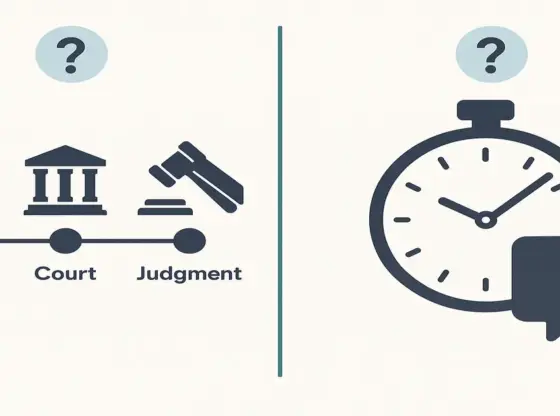
The Renters’ Rights Bill 2025 introduces reforms to modernise and speed up the court system. All possession claims will eventually move to a digital platform, where landlords can file online and track progress in real time.
Planned improvements include:
- Online evidence submission and case tracking
- Priority hearings for urgent cases (e.g., anti-social behaviour)
- Simplified judgments for mandatory grounds
- Better communication between landlords and the court
While these upgrades are promising, many landlords remain cautious. Court delays have been a persistent issue, and full digital implementation may take time. Until then, landlords should thoroughly prepare before commencing any possession action.
How to Prepare for a Section 8 Eviction in 2025
Under the new law, preparation and precision are key. A minor error in a notice or procedure could result in a claim being dismissed. To protect your rights, follow these best practices:
- Serve the correct notice form — The government has released updated Section 8 templates.
- Gather evidence — Keep rent statements, inspection reports, and written communication.
- Allow for full notice periods — Even if tenants breach terms, courts expect proper notice.
- Keep records of compliance — Gas safety, EPC, deposit protection, and electrical checks must all be up to date.
- Seek professional advice — Joining a landlord association or consulting a solicitor can help ensure compliance with the new framework.
Being proactive and organised will reduce risk and strengthen your case if court action becomes necessary.
How the Renters’ Rights Bill Changes Landlord Strategy
For decades, Section 21 provided an easy exit route. Its removal means landlords must now adapt. The Renters’ Rights Bill changes require a shift toward professional management, proper documentation, and lawful communication.
However, this doesn’t mean landlords lose control. The reformed Section 8 process offers a fair balance, allowing eviction for legitimate reasons while discouraging misuse. In the long term, it may create a more stable and transparent rental market.
Landlords who act responsibly, maintain their properties, and follow proper procedures will still have strong legal protections.
Common Landlord Questions Answered
What new grounds have been added to Section 8?
New grounds include selling the property, moving back in, persistent arrears, anti-social behaviour, and severe property damage.
Can I evict for selling or moving back in?
Yes, landlords can regain possession if they or a close family member intends to move in or if they plan to sell the property. Proof of intent is required.
Will tenants have more time to leave?
Yes, notice periods have been extended in most cases to give tenants more time to relocate. The exact timeframe depends on the grounds for eviction.
Read our top-read blogs:
Why Landlords Are Selling Up Urgently?
The Renters Reform Bill: A Step Backwards for Landlords and the Housing Market?
Defending a Claim for Unlawful Eviction
Need help now? Contact Landlord Advice UK today for tailored guidance and practical support to future-proof your rental business.
Useful External Links
https://www.gov.uk/private-renting