
Common Mistakes Landlords Make During Eviction
Evicting a tenant can be stressful, especially when faced with rent arrears, property damage, or anti-social behaviour. Many landlords make costly eviction mistakes that delay proceedings or even lead to fines.
Understanding UK laws on illegal eviction and learning how to evict a tenant properly can save you time, money, and unnecessary disputes. This guide explains the most common landlord errors during eviction and practical steps to avoid them.
Serving the Wrong Notice
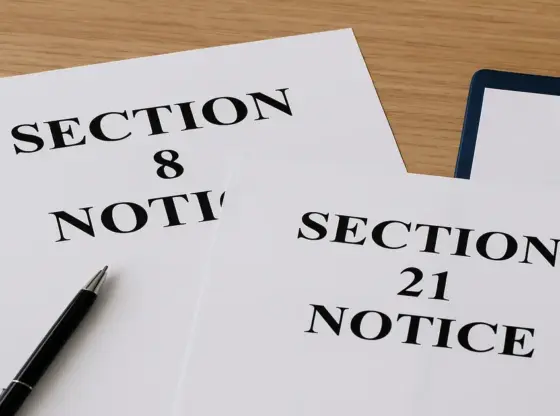
One of the most frequent eviction mistakes landlords make is serving the wrong type of notice. In England, landlords can only evict tenants legally through two routes:
- Section 21 notice (no-fault) – Used when the fixed-term tenancy ends or during a rolling tenancy.
- Section 8 notice (fault-based) – Used when tenants breach the tenancy, such as not paying rent or causing damage.
Each route has its own form, time frame, and compliance rules. Using the wrong notice invalidates the entire process and forces you to start again.
How to avoid it:
Always confirm the correct notice type and use the official government form (Form 6A for Section 21 or Form 3 for Section 8). Check that the tenancy deposit, EPC, gas certificate, and How to Rent guide were provided before serving notice.
Failing to Protect the Deposit
Failing to protect the tenant’s deposit is one of the biggest causes of illegal eviction in the UK. The law requires landlords to protect any deposit in a government-approved scheme within 30 days of receiving it.
If not protected, you cannot serve a valid Section 21 notice, and tenants can claim up to three times the deposit amount in compensation.
How to avoid it:
Register the deposit promptly and provide the tenant with the Prescribed Information and scheme details. Keep proof of submission and email confirmation for your records.
Not Providing Legally Required Documents
Before you can legally issue a Section 21 notice, you must have given the tenant:
- An Energy Performance Certificate (EPC)
- A Gas Safety Certificate
- The latest How to Rent Guide
- Details of the deposit protection scheme
Failure to provide any of these documents makes your notice invalid and could result in delays or dismissal in court.
How to avoid it:
Create a checklist for every tenancy start, ensuring all required documents are issued and signed for. Keep digital copies as evidence.
Trying to Evict Without a Court Order
Some landlords mistakenly believe they can change locks, cut utilities, or remove belongings after the notice period ends. This constitutes an illegal eviction UK offence under the Protection from Eviction Act 1977 and can lead to criminal prosecution, hefty fines, or imprisonment.
How to avoid it:
Never take physical possession of a property without a court possession order and, if necessary, a bailiff or High Court enforcement warrant. Only authorised officers have the legal power to remove tenants.
Poor Record-Keeping
Evictions can be delayed if landlords cannot provide adequate documentation to prove compliance. Missing rent statements, tenancy agreements, or proof of notice service weakens your case and frustrates judges.
How to avoid it:
Keep all tenancy paperwork in an organised file, including rent receipts, communications, and certificates. Use recorded delivery when serving notices and retain tracking proof.
Ignoring Tenant Rights and Due Process
Another critical eviction mistake landlords make is ignoring tenant rights. Even if the tenant has stopped paying rent, they still have legal protection until the court grants possession.
Harassment, intimidation, or cutting off services can lead to severe penalties and damage your reputation.
How to avoid it:
Maintain professional communication, document all interactions, and follow the correct process step by step. Always treat tenants fairly and allow them reasonable notice and response time.
Incorrect or Incomplete Court Applications
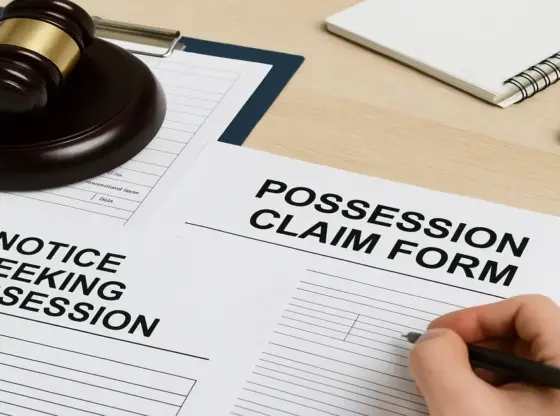
Filing court forms incorrectly or submitting incomplete documentation are common reasons eviction claims are rejected. This mistake can cost hundreds in extra court fees and months of wasted time.
How to avoid it:
Ensure all forms (N5B for accelerated possession, N5/N119 for standard possession) are filled accurately and supported by evidence such as:
- Tenancy agreement
- Proof of notice service
- Rent statement
- Compliance documents
If unsure, hire a legal expert or eviction specialist to check your paperwork before submission.
Delaying Action When Rent Arrears Build Up
Landlords sometimes wait too long to take legal action, hoping tenants will catch up on rent. This delay leads to mounting arrears and longer eviction timelines.
How to avoid it:
Act quickly after two months of arrears. Serve a Section 8 notice citing Grounds 8, 10, and 11 under the Housing Act 1988. Early action increases your chances of recovering rent and regaining possession faster.
Misunderstanding the Eviction Timeline
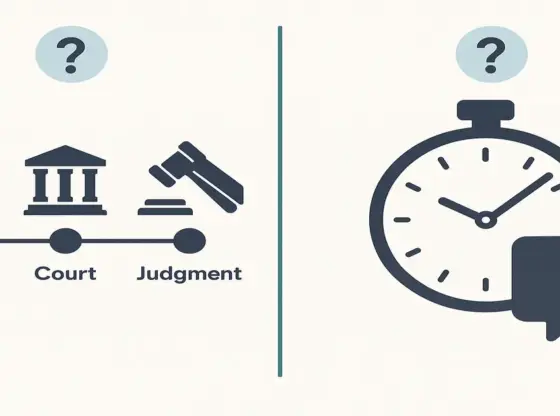
Many landlords underestimate how long the process can take. Even a straightforward how-to evict a tenant properly case can take 8 to 20 weeks, depending on the court backlog.
How to avoid it:
Plan. Serve notices early, file claims promptly, and prepare documents before the tenancy ends. If timing is critical, consider High Court enforcement for quicker possession.
Not Seeking Professional Advice
DIY evictions may seem cheaper, but they often lead to procedural mistakes that cost far more. Professional eviction firms and solicitors ensure every step complies with the law, from notice drafting to court representation.
How to avoid it:
Hire a qualified eviction specialist or solicitor experienced in housing law. Their expertise can prevent invalid notices, reduce delays, and protect you from legal risks.
Conclusion
The most common eviction mistakes landlords make come from misunderstanding legal procedures or trying to rush the process.
Avoiding illegal eviction in the UK means following the correct legal route, keeping records, and staying compliant with all tenancy requirements.
Knowing how to evict a tenant properly in 2025 means staying calm, organised, and professional. With proper preparation, landlords can regain possession lawfully and efficiently without costly setbacks.
Read our top-read blogs:
Why Landlords Are Selling Up Urgently?
The Renters Reform Bill: A Step Backwards for Landlords and the Housing Market?
Defending a Claim for Unlawful Eviction
Need help now? Contact Landlord Advice UK today for tailored guidance and practical support to future-proof your rental business.