Dealing with Anti-Social Behaviour and Damage: Possession Grounds Beyond Rent Arrears
While rent arrears remain the most common reason landlords seek possession, anti-social behaviour (ASB) and property damage have increasingly become significant issues in the private rented sector.
The Renters’ Rights Act 2025 and Housing Act 1988 provide landlords with substantial legal grounds to evict tenants who cause nuisance, harass neighbours, or deliberately damage property.
Understanding how to use these possession grounds safely is essential to protecting your investment and maintaining a safe living environment for others.
Understanding Possession Beyond Rent Arrears
Under Section 8 of the Housing Act 1988, landlords can seek possession for several reasons unrelated to rent arrears.
The law recognises that serious anti-social behaviour and property damage can cause harm to neighbours, communities, and landlords alike.
The most relevant legal grounds are:
- Ground 12: Breach of tenancy obligations (e.g., failure to maintain the property or intentional damage).
- Ground 13: Neglect or deterioration of the property or communal areas due to tenant behaviour.
- Ground 14: Anti-social or criminal conduct, nuisance, or harassment.
- Ground 15: Damage to landlord’s furniture or fixtures (for furnished properties).
These grounds can be used separately or combined, depending on the seriousness of the behaviour. They allow landlords to act swiftly and lawfully when a tenant’s actions go beyond financial non-compliance.
Recognising Anti-Social Behaviour Early
Anti-social behaviour takes many forms, some subtle and others severe. Spotting issues early can prevent escalation and help landlords act before the situation becomes unmanageable.
Common examples include:
- Repeated noise complaints from neighbours.
- Verbal abuse, harassment, or threats.
- Illegal activities such as drug use or criminal damage.
- Intimidation or violence towards other residents.
- Persistent neglect leading to property damage or infestation.
Landlords should always record every complaint, incident, or witness statement. Early documentation strengthens future possession claims under Ground 14, especially when tenants deny misconduct.
Using Ground 14 for Anti-Social Behaviour
Ground 14 is one of the most powerful legal tools available to landlords. It allows immediate action when tenants or their visitors engage in anti-social or criminal conduct.
Key features of Ground 14:
- It is a discretionary ground, meaning the court decides whether possession is reasonable.
- No minimum notice period is required landlords can apply for possession immediately after serving notice.
- Evidence must clearly demonstrate the nuisance or disturbance caused by the tenant.
Examples of valid evidence include:
- Police reports or incident numbers.
- Witness statements from neighbours.
- Written complaints or noise logs.
- Photographic evidence of damage or disturbance.
- Communication records with the tenant.
Courts generally expect landlords to act reasonably such as issuing written warnings or offering mediation before seeking possession. However, in severe cases involving violence or illegal activity, immediate possession can be justified.
Using Ground 14 correctly is central to dealing with anti-social tenants under the post–Renters’ Rights Act framework.
Using Grounds 12 and 13 for Property Damage
Property damage, whether intentional or through neglect, can justify eviction under Grounds 12 and 13. These are particularly important when the tenant’s actions have reduced the property’s value or created safety risks.
Ground 12 applies when tenants breach their tenancy obligations for instance, failing to maintain cleanliness, keeping pets in violation of the agreement, or allowing unauthorised occupants.
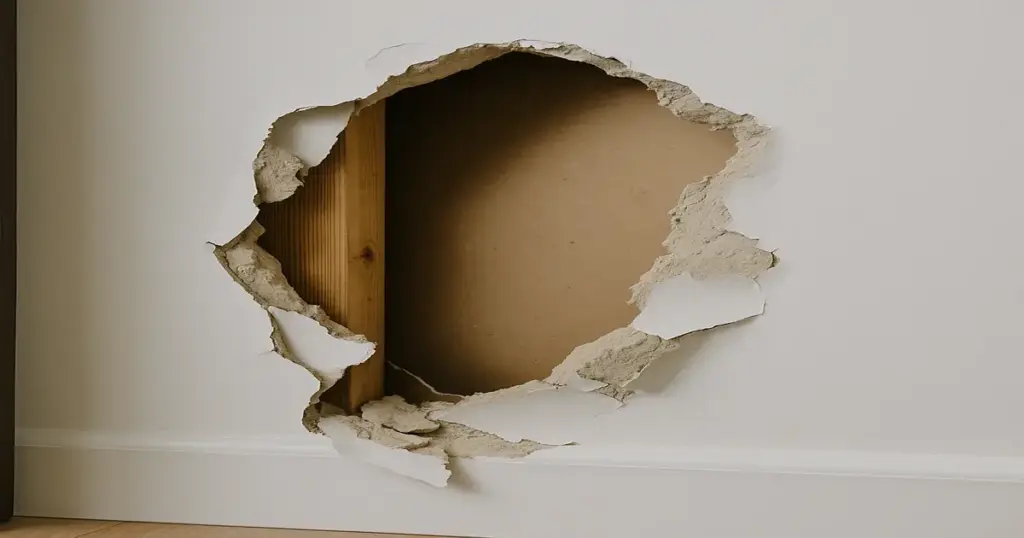
Ground 13 covers damage caused by neglect or deterioration due to tenant behaviour, such as mould, structural damage, or broken fixtures.
To rely on these grounds successfully:
- Conduct regular inspections and maintain dated inspection reports.
- Take photographs before, during, and after the tenancy.
- Keep copies of maintenance and repair invoices.
- Document tenant communication about any damage.
Courts assess whether the damage was due to negligence or wilful conduct, so the quality of the evidence is critical. Proper documentation ensures that landlords can use these possession grounds confidently and lawfully.
The Legal Process for Possession
Whether the case involves anti-social behaviour or property damage, landlords must follow the correct legal process to avoid invalid notices or delays.
Step 1: Serve a Section 8 Notice
Use Form 3 to cite the relevant grounds (e.g., 12, 13, or 14). For Ground 14, no notice period is required; for others, landlords must provide two weeks’ notice.
Step 2: Apply for Possession in Court
If the tenant does not vacate, file a possession claim with the local county court using Form N5 and Form N119. Attach the tenancy agreement, evidence, and copies of all correspondence.
Step 3: Attend the Hearing
The court will decide whether possession is justified based on evidence and reasonableness. Landlords with well-documented cases have a stronger chance of success.
Step 4: Enforcement
If possession is granted but the tenant refuses to leave, landlords can request a bailiff warrant or transfer the order to the High Court for faster enforcement.
Following these steps precisely ensures your eviction is legally compliant and defensible against any challenge.
Common Mistakes to Avoid
Landlords often lose possession cases for avoidable reasons. Common mistakes include:
- Failing to provide sufficient evidence of nuisance or damage.
- Using the wrong legal ground or combining incompatible ones.
- Serving an incorrectly completed notice form.
- Ignoring procedural fairness (e.g., not issuing warnings first).
- Lack of witness corroboration.
Working with experienced eviction professionals or solicitors can significantly reduce the risk of procedural errors and delays.
How to Strengthen Your Case
The key to success in possession claims for anti-social behaviour or damage lies in preparation and evidence.
Landlords should:
- Maintain incident logs with dates, times, and witness names.
- Liaise with local authorities or the police to obtain official records.
- Keep email correspondence with tenants to demonstrate reasonable action.
- Conduct regular property inspections to identify early signs of damage.
Being proactive not only protects your property but also reassures the court that you have acted responsibly and proportionately.
FAQs
Can I evict a tenant immediately for anti-social behaviour?
Yes, under Ground 14, landlords can issue a notice and apply to court immediately. However, you must provide strong evidence that the behaviour has caused nuisance, harassment, or safety risks.
What if the damage was caused accidentally?
If the damage resulted from a genuine accident rather than negligence or intent, the court may not grant possession. It’s important to distinguish between normal wear and deliberate or reckless behaviour.
Conclusion
Dealing with anti-social behaviour and property damage requires a structured, evidence-based approach. The law empowers landlords to act decisively but only when the process is followed carefully.
By understanding how to use possession grounds beyond rent arrears, landlords can protect their property, preserve community safety, and maintain compliance under the Renters’ Rights Act 2025. When in doubt, seek expert assistance to ensure every step is handled correctly and efficiently.
Read our top-read blogs:
Why Landlords Are Selling Up Urgently?
The Renters Reform Bill: A Step Backwards for Landlords and the Housing Market?
Defending a Claim for Unlawful Eviction
Need help now? Contact Landlord Advice UK today for tailored guidance and practical support to future-proof your rental business.
Useful External Links
https://www.gov.uk/evicting-tenants
https://www.gov.uk/government/publications/renters-rights-act-2025-guidance