How to Serve a Valid Possession Notice After Section 21 Evictions End
With the end of Section 21 evictions under the Renters’ Rights Bill 2025, landlords across England now face an entirely new possession system. The days of “no-fault” evictions are over.
Every eviction must now be based on a lawful reason and follow a specific process. This detailed guide explains how landlords can serve a valid possession notice under the new framework, what evidence is required, and how to avoid costly delays or invalid notices.
The End of Section 21: What It Means for Landlords
The abolition of Section 21 marks one of the most significant changes to landlord-tenant law in decades. Previously, landlords could use Section 21 to regain possession of a property without giving a reason, provided they complied with the procedural rules.
Under the Renters’ Rights Bill 2025, this route has been replaced by a reformed Section 8, which allows landlords to evict tenants only on specific legal grounds.
This shift gives tenants stronger security while still protecting landlords’ rights to reclaim properties for valid reasons, such as rent arrears, anti-social behaviour, or the sale of the property.
The key takeaway: landlords must now follow a stricter and more transparent procedure when serving notice.
What Replaces Section 21 Evictions
The new system relies entirely on cause-based possession, meaning a landlord must prove there is a legitimate reason to end the tenancy.
The valid grounds for possession now include:
- Severe or persistent rent arrears
- Anti-social or criminal behaviour
- Property damage or neglect
- The landlord intends to sell the property
- The landlord or a close family member needs to move in
- Breach of tenancy terms
Each ground requires specific evidence and notice periods, so landlords must identify the correct one before serving notice.
Understanding the New Section 8 Possession Process
The new Section 8 framework is the only lawful route for landlords to regain possession in 2025. It sets out how to serve a valid notice, what documentation is needed, and how the courts handle possession claims.
To begin the process, landlords must:
- Identify the correct legal ground for possession.
- Complete the updated Section 8 notice form issued by the government.
- Serve the notice correctly on the tenant.
- Wait for the notice period to expire.
- Apply to court for a possession order if the tenant does not leave voluntarily.
Missing or incorrect steps can make the notice invalid, forcing landlords to start over — wasting months and additional legal fees.
How to Serve a Valid Possession Notice
Serving a valid possession notice under the new law involves both accuracy and evidence. A minor procedural mistake could render your notice defective.
Follow these steps carefully:
1. Choose the Correct Ground for Possession
Each ground has its own criteria and notice period:
- Rent Arrears: 14 days’ notice for tenants owing two months’ rent or more.
- Anti-Social Behaviour: 14 days’ notice (requires clear evidence or witness statements).
- Property Sale or Move-In: 2 months’ notice and proof of intent (e.g., estate agent listing or solicitor letter).
- Breach of Tenancy: 1 month’s notice or more, depending on the severity.
Selecting the wrong ground or applying the wrong notice period will invalidate your claim.
2. Use the Correct Legal Form
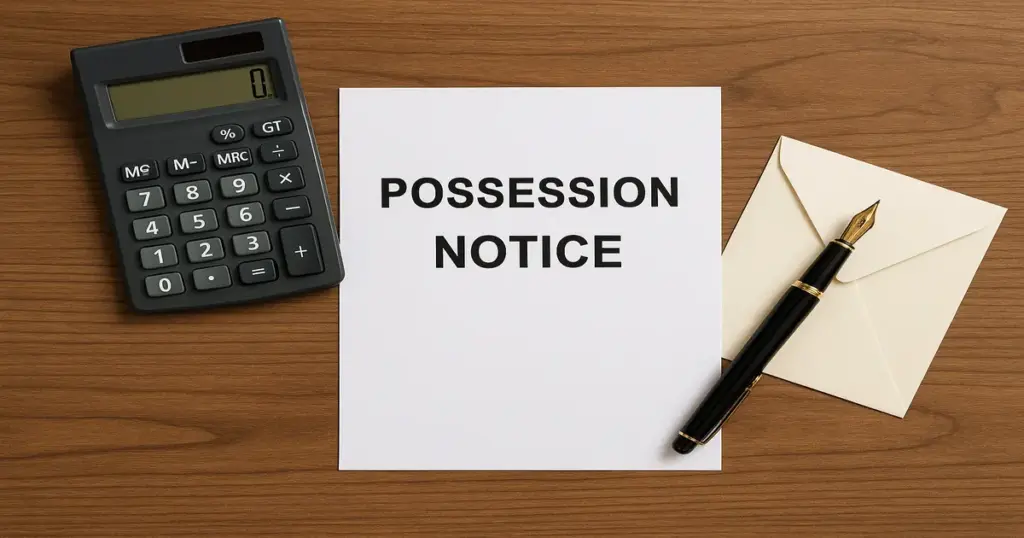
You must use the official Section 8 notice form, updated for the Renters’ Rights Bill 2025. Generic templates or outdated forms are no longer valid.
The notice must include:
- Your full name and address as the landlord.
- The tenant’s name and address.
- The property address.
- The legal ground(s) for possession.
- The notice period and date when proceedings can begin.
- Your signature and date of service.
This document must be filled in accurately and served in compliance with current legal standards.
3. Serve the Notice Properly
The law specifies how a notice must be delivered. Acceptable methods include:
- In person—handed directly to the tenant.
- By recorded post – with proof of delivery.
- By email – only if the tenancy agreement allows for electronic service.
Always retain proof of delivery — such as a postal receipt, delivery confirmation, or signed acknowledgement. Without evidence, courts may dismiss your case.
4. Ensure Full Compliance Before Serving Notice
Before serving a possession notice, landlords must ensure they have met all legal obligations under the Renters’ Rights Bill 2025.
If any of the following are missing, your notice could be invalid:
- The tenant’s deposit is not protected in a government-approved scheme.
- The EPC, Gas Safety Certificate, or Electrical Safety Certificate has not been provided.
- The property does not meet the Decent Homes Standard.
- The landlord is not registered or licensed (if required by the local authority).
Courts will reject possession claims where landlords have failed to meet these conditions.
5. Wait for the Correct Notice Period
Once the notice is served, landlords must wait until the notice period expires before starting legal action. The new law prohibits early applications, even if the tenant admits to breaches.
During this period, landlords should:
- Keep records of communication.
- Collect evidence of ongoing breaches (e.g., rent arrears or noise complaints).
- Maintain professional communication with tenants to avoid allegations of harassment.
Once the period ends, if the tenant has not vacated, you may proceed to court.
How to Apply for Possession After Serving Notice
If the tenant does not leave voluntarily, landlords must apply to the court for a possession order.
The Renters’ Rights Bill 2025 introduces a digital possession process, which allows landlords to:
- File claims online.
- Upload supporting evidence.
- Track progress through the digital portal.
The court will review your application and either:
- Grant possession automatically (for mandatory grounds, such as rent arrears).
- Schedule a hearing (for discretionary grounds, such as anti-social behaviour).
Once granted, tenants will be given a set date to vacate, typically 14 days. If they fail to do so, you can apply for a bailiff warrant or High Court enforcement.
Avoiding Common Mistakes
With stricter legal requirements, even minor errors can delay or derail your eviction. The most common mistakes include:
- Using outdated Section 21 or incorrect Section 8 forms.
- Serving notice before complying with safety or licensing rules.
- Miscalculating notice periods.
- Failing to provide adequate evidence for the eviction ground.
- Lacking proof of delivery.
To avoid these pitfalls:
- Double-check all documents.
- Keep copies of everything served.
- Use professional legal or eviction services to ensure accuracy.
When to Seek Legal Help
The new legal landscape makes it more critical than ever to seek advice early. Landlords should consult a property solicitor or eviction specialist when:
- The tenant disputes the eviction ground.
- There are missing compliance documents.
- The property involves multiple occupants or licensing requirements.
- You need to recover possession urgently (e.g., anti-social behaviour).
Professional guidance can prevent invalid claims and reduce costly delays.
Protecting Yourself Under the New System
Although the end of Section 21 limits landlords’ flexibility, those who remain compliant and organised will still be able to recover their properties effectively.
To protect yourself:
- Stay up to date with local licensing and compliance rules.
- Maintain complete digital records for every tenancy.
- Communicate professionally with tenants and avoid any form of harassment.
- Use official forms and certified delivery methods.
- Seek early legal advice before serving notice.
The key to success in 2025 and beyond is documentation, professionalism, and understanding your rights under the new Act.
The Benefits of the New Possession Framework
While landlords face more regulation, the reformed possession process also brings benefits:
- Clearer, more transparent eviction routes.
- Stronger protection against false claims of unfair eviction.
- A digital, more efficient court process for legitimate cases.
- Retention of key landlord rights — including eviction for rent arrears, sale, or family use.
The system is designed to reward compliance, not punish good landlords.
Common Landlord Questions Answered
How do I serve a valid possession notice after Section 21 ends?
Use the updated Section 8 form, specify a valid legal ground, and serve the notice correctly with proof of delivery.
What makes a notice invalid?
Incorrect form, missing evidence, wrong notice period, or non-compliance with safety and licensing requirements.
When can I apply to court?
Only after the notice period has expired will early or incomplete applications be rejected.
Read our top-read blogs:
Why Landlords Are Selling Up Urgently?
The Renters Reform Bill: A Step Backwards for Landlords and the Housing Market?
Defending a Claim for Unlawful Eviction
Need help now? Contact Landlord Advice UK today for tailored guidance and practical support to future-proof your rental business.
Useful External Links
https://www.gov.uk/private-renting