Top Legal Mistakes Landlords Will Make Under the Renters’ Rights Bill
The Renters’ Rights Bill 2025 represents the most comprehensive overhaul of landlord-tenant law in decades. While the legislation aims to create a fairer and more transparent rental market, it also introduces complex new rules that can easily trip up even experienced landlords.
Failing to comply could result in a loss of possession, fines, or even accusations of illegal eviction. To stay compliant and protect your investment, landlords must understand the most common landlord mistakes in 2025 and how to avoid them.
Why Compliance Matters More Than Ever
The Renters’ Rights Bill 2025 has shifted the balance of rights and responsibilities between landlords and tenants.
With the abolition of Section 21 “no-fault” evictions and the expansion of Section 8 grounds, the law now demands complete procedural accuracy at every stage.
The new system rewards professionalism but penalises mistakes. A minor oversight, such as missing paperwork or serving notice incorrectly, can invalidate your eviction claim, delay possession for months, and cost thousands in legal fees.
This makes Renters’ Rights Bill compliance essential to every landlord’s success.
Mistake 1: Serving the Wrong Type of Notice
One of the biggest landlord mistakes in 2025 is using the wrong legal notice to start an eviction.
With Section 21 abolished, landlords can no longer serve a “no-fault” notice. Instead, all possession claims must be made using Section 8, with a clear, valid legal ground such as rent arrears, anti-social behaviour, or intention to sell.
Each ground has its own notice period and evidentiary requirements. Using the wrong form or failing to specify the correct ground makes your notice invalid.
How to avoid it:
- Always use the latest official Section 8 notice form issued by the government.
- Specify the correct legal ground and provide evidence where necessary.
- Double-check notice periods: some are 2 weeks, others 2 months.
- Keep a dated record of service for proof.
Failure to comply could mean your case is struck out before it reaches court.
Mistake 2: Failing to Provide Mandatory Documents
Another standard error is neglecting to provide the required documents at the start of a tenancy.
Under the Renters’ Rights Bill compliance framework, missing documentation can make an eviction unenforceable.
Landlords must now provide tenants with:
- A written tenancy agreement following the new open-ended format.
- An up-to-date Energy Performance Certificate (EPC).
- Valid Gas Safety and Electrical Safety Certificates.
- Proof of deposit protection within 30 days of receipt.
- The latest How to Rent Guide.
- Evidence of smoke and carbon monoxide alarms installed and tested.
If any of these are missing, courts can refuse your possession claim until compliance is proven.
How to avoid it:
Create a tenant onboarding checklist to confirm all documents are issued and signed before the tenancy begins. Keep digital copies stored securely for future reference.
Mistake 3: Not Understanding the New Grounds for Possession
Under the new law, landlords can evict only for defined Section 8 grounds. Many landlords risk failure by misunderstanding which grounds are mandatory (where the court must grant possession) and which are discretionary (where the judge decides).
Examples include:
- Mandatory Grounds: Serious rent arrears (two months or more), landlord or family moving in, or property sale.
- Discretionary Grounds: Persistent late payment, anti-social behaviour, property neglect.
Using the wrong ground or failing to supply evidence could lead to lengthy disputes or dismissed claims.
How to avoid it:
Familiarise yourself with all the updated Section 8 grounds under the Renters’ Rights Bill. Choose the ground that best fits your situation and compile evidence before serving notice.
Mistake 4: Committing an Illegal Eviction
The penalties for illegal eviction under the Renters’ Rights Bill 2025 are severe. Any attempt to remove a tenant without following due process, including changing locks, cutting off utilities, or engaging in harassment, is a criminal offence.
Some landlords may feel frustrated by delays in the new court system, but taking matters into their own hands will only make things worse. Tenants can report unlawful eviction to the council or the police, which can lead to prosecution and compensation claims.
How to avoid it:
- Never attempt self-help evictions.
- Always use the correct legal process and obtain a court order.
- Seek professional eviction support if the tenant refuses to leave.
Staying patient and procedural is the only lawful path to possession.
Mistake 5: Ignoring Local Licensing and Standards
The Renters’ Rights Bill compliance framework gives councils greater power to enforce property standards and licensing.
Landlords who ignore selective or HMO licensing requirements risk fines of up to £30,000 per offence or rent repayment orders. Local authorities now have access to the National Landlord Database, making enforcement far easier than before.
How to avoid it:
- Check your local council’s licensing requirements regularly.
- Apply for any relevant licence and renew before expiry.
- Keep your property compliant with the Decent Homes Standard, covering heating, insulation, and safety.
Compliance is now directly tied to your ability to let and recover possession legally.
Mistake 6: Not Following the Correct Rent Increase Procedure
Many landlords make the mistake of increasing rent informally. Under the new law, all rent increases must follow a strict legal process.
The Renters’ Rights Bill rent control rules state that:
- Rent can only be increased once every 12 months.
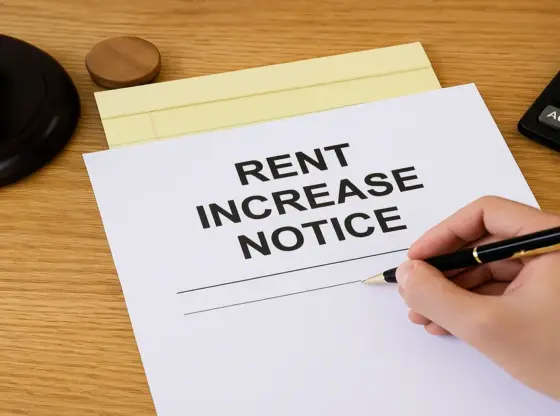
- Landlords must give two months’ written notice using the official rent increase form.
- Tenants can challenge the increase at the First-tier Tribunal if they believe it’s unfair.
Informal rent hikes or verbal agreements are invalid and could lead to disputes or repayment orders.
How to avoid it:
Always use the prescribed government form and give the proper notice period. Keep written proof of service and supporting evidence that the increase reflects market conditions.
Mistake 7: Failing to Maintain Property Condition
The Decent Homes Standard, extended to the private sector, now makes landlords legally responsible for maintaining minimum property standards.
Failing to maintain the property or allowing it to fall into disrepair can lead to enforcement action, compensation claims, or rent repayment orders. In some cases, tenants may even use disrepair as a defence in possession claims, delaying eviction.
How to avoid it:
- Conduct regular inspections with the tenant’s consent.
- Fix repairs promptly and keep receipts or contractor invoices.
- Maintain records of all communication and maintenance work.
A well-maintained property protects both your investment and your legal position.
Mistake 8: Mismanaging Deposit Protection
Deposit protection remains one of the most frequent landlord pitfalls. Under the new framework, failure to protect a deposit within 30 days or provide the prescribed information can prevent landlords from serving a valid notice or claiming possession.
How to avoid it:
- Use a government-approved scheme (DPS, TDS, or MyDeposits).
- Provide the tenant with confirmation and prescribed information within 30 days.
- Keep all protection receipts and communication as evidence.
Late or missing protection can result in fines of up to three times the deposit amount.
Mistake 9: Going to Court Unprepared
Even landlords with valid claims often lose cases due to poor preparation. Missing documents, incorrect notice dates, or insufficient evidence can lead to adjournments or dismissals.
How to avoid it:
Before filing a possession claim, gather:
- Proof of notice service.
- Tenancy agreement and compliance certificates.
- Rent statements or arrears schedules.
- Any witness statements or evidence of breaches.
Professional preparation increases your chances of a successful, timely possession order.
Mistake 10: Waiting Too Long to Seek Legal Help
Landlords sometimes wait until disputes spiral out of control before contacting legal professionals. Under the Renters’ Rights Bill 2025, where compliance and documentation are critical, early advice can prevent costly mistakes.
When to seek legal help:
- Before serving notice, confirm the correct ground and form.
- If a tenant challenges rent, arrears, or eviction.
- When navigating court delays or enforcement issues.
Proactive legal advice is often far cheaper than rectifying an invalid claim later.
How to Protect Your Rights Under the New Law
The best defence against costly mistakes is full compliance and documentation. Landlords who stay organised and informed can still operate successfully under the new system.
To protect your rights:
- Keep detailed written records of every transaction.
- Follow legal notice procedures precisely.
- Use professional letting agents or legal specialists familiar with the new law.
- Stay up to date with all government guidance and local authority updates.
The Renters’ Rights Bill 2025 does not prevent landlords from managing property effectively; it simply raises the standard of compliance expected.
Common Landlord Questions Answered
What common errors could make my eviction invalid?
Serving the wrong notice, missing documentation, or using incorrect grounds can invalidate your claim. Always follow the Section 8 process accurately.
How can I protect my rights under the new law?
Maintain complete compliance records, serve all required documents, and seek legal advice before issuing notices.
When should I seek legal help?
As soon as a tenancy issue arises. Early intervention prevents escalation and ensures you follow lawful procedures.
Read our top-read blogs:
Why Landlords Are Selling Up Urgently?
The Renters Reform Bill: A Step Backwards for Landlords and the Housing Market?
Defending a Claim for Unlawful Eviction
Need help now? Contact Landlord Advice UK today for tailored guidance and practical support to future-proof your rental business.
Useful External Links
https://www.gov.uk/private-renting