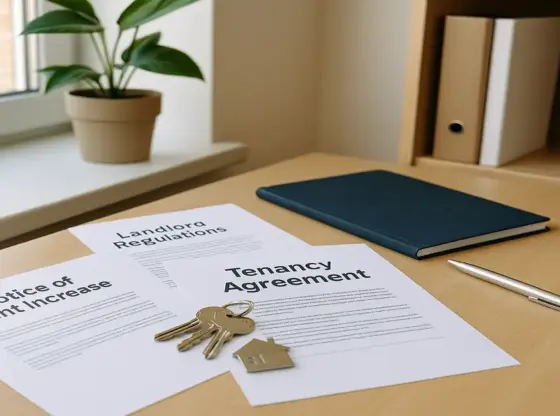

How and When to Serve Rent Increase Notices Under the Renters’ Rights Act 2025
The Renters’ Rights Act 2025 introduces new and stricter rules on rent increases for landlords in England. It aims to make the process more transparent and prevent excessive rent hikes.
Understanding how and when to serve rent increase notices under the Renters’ Rights Act 2025 is essential to avoid invalid notices, disputes, or tribunal challenges. This guide explains the legal process, timing requirements, and the correct way to issue a valid rent increase notice under Section 13.
Legal Framework for Rent Increases
The foundation for rent increases under the new law lies in Section 13 of the Renters’ Rights Act 2025, which replaces the older provisions under the Housing Act 1988.
Landlords can still propose rent increases, but they must now follow a stricter procedure to protect tenants from sudden or unreasonable rent increases.
Key principles include:
- Rent increases can only occur once every 12 months.
- A formal written notice using the prescribed Section 13 form must be served.
- Tenants have a statutory right to challenge an unfair increase at the First-tier Tribunal.
The Act’s purpose is to ensure fairness and prevent landlords from using rent increases as a method of eviction or pressure. Following the correct process for serving rent increase notices under the Renters’ Rights Act 2025 helps landlords remain compliant and transparent.
Timing Requirements: How Often You Can Raise Rent
Timing is critical. Under the Renters’ Rights Act 2025, landlords may not issue a rent increase notice more than once in any 12 months. This rule applies to all tenancies new or converted from the date the Act takes effect.
Minimum Notice Periods:
- Landlords must provide at least two months’ notice before the new rent takes effect.
- For longer tenancies or rent paid quarterly, the notice must match the rental period (e.g., three months’ notice if rent is paid quarterly).
It is also important to note that rent cannot be increased retrospectively. Any rent increase that does not follow the prescribed timeframes is automatically invalid.
Understanding when and how to serve rent increase notices under the Renters’ Rights Act 2025 helps landlords avoid costly mistakes or legal disputes.
Step-by-Step Process for Serving a Valid Notice
To comply with the Act, landlords must use the official Section 13 procedure. The process is straightforward but must be followed precisely.
Step 1: Use the Prescribed Form
A landlord must use the official Form 4 – Notice of Proposed Rent Increase under Section 13. This form includes key details such as the new rent amount, the effective date, and the tenant’s right to challenge.
Step 2: Calculate the New Rent Fairly
Rent increases must reflect market value. Landlords should research comparable local rents, property conditions, and inflation rates. The Tribunal can strike down unreasonable or excessive increases.
Step 3: Serve Proper Notice
The notice must be served in writing and delivered in a way that can be verified. Accepted methods include hand delivery, post, or (if agreed in writing) email. The service date determines when the notice period begins.
Step 4: Allow the Statutory Notice Period
Tenants must receive at least two months’ notice before the increase takes effect. The effective date must align with the tenancy’s rent payment cycle.
Step 5: Keep a Copy for Records
Always retain a copy of the served notice along with proof of service (such as a postal receipt or email timestamp).
Following these steps is crucial for ensuring compliance with how and when to serve rent increase notices under the Renters’ Rights Act 2025.
How Tenants Can Challenge Unfair Increases
The Renters’ Rights Act 2025 enhances tenant protection by granting tenants the right to challenge rent increases that they believe are excessive or unfair.
Tenants can apply to the First-tier Tribunal (Residential Property) within the notice period. The Tribunal will assess whether the proposed rent is in line with the market value and local conditions.
If the Tribunal decides the proposed rent is too high, it may:
- Reduce the rent to a fair level.
- Uphold the existing rent.
- Approve a lower-than-requested increase.
The Tribunal’s decision is binding. Landlords cannot reissue a new rent increase notice immediately after a rejection—they must wait until 12 months after the previous notice.
By understanding tenant rights, landlords can better anticipate potential challenges and demonstrate fairness when issuing rent increase notices.
Documentation and Record-Keeping for Protection
Proper documentation is vital when serving rent increase notices. The Renters’ Rights Act 2025 places great emphasis on transparency and accountability.
Landlords should maintain clear records that include:
- A copy of the Section 13 notice served.
- Proof of service (postal receipt, signed delivery confirmation, or digital record).
- Evidence justifying the rent increase (comparable property listings, valuation reports, or market research).
- Correspondence with tenants regarding the notice.
Keeping thorough records protects landlords in the event of a dispute or a Tribunal hearing. It also demonstrates professionalism and adherence to legal standards.
For letting agents managing multiple properties, using digital management tools to track notices and timelines can prevent administrative errors.
A consistent record-keeping approach is the backbone of compliance when determining when and how to serve rent increase notices under the Renters’ Rights Act 2025.
FAQs
What form must be used for rent increase notices?
Landlords must use the official Form 4 – Section 13 Notice of Rent Increase, as prescribed under the Renters’ Rights Act 2025. Any other format, letter, or verbal notice will not be legally valid.
Can I serve the notice via email?
Yes, but only if the tenancy agreement allows explicit communication by email and the tenant has agreed in writing. Otherwise, notices must be served either by hand delivery or post. Always keep proof of when and how the notice was sent.
Conclusion
Knowing how and when to serve rent increase notices under the Renters’ Rights Act 2025 is essential for every landlord. The new law places clear limits on frequency, notice periods, and procedure to ensure fairness in the private rental sector. Using the correct form, maintaining documentation, and following timelines carefully will safeguard landlords from disputes and ensure full compliance under the 2025 framework.
Read our top-read blogs:
Why Landlords Are Selling Up Urgently?
The Renters Reform Bill: A Step Backwards for Landlords and the Housing Market?
Defending a Claim for Unlawful Eviction
Need help now? Contact Landlord Advice UK today for tailored guidance and practical support to future-proof your rental business.
Useful External Links
https://www.gov.uk/private-renting
https://www.gov.uk/government/publications/renters-rights-act-2025-guidance