
How to Serve a Valid Eviction Notice Under the Renters’ Rights Act 2025
The Renters’ Rights Act 2025 has fundamentally changed how landlords in England can end tenancies. With the abolition of Section 21 “no-fault” evictions, every landlord must now understand how to serve a valid eviction notice under the new legal framework.
This guide explains the step-by-step process, from selecting the proper notice form to ensuring full compliance with timelines and evidence requirements.
Understanding the New Legal Framework
Under the Renters’ Rights Act 2025, all eviction notices must be based on reasonable grounds for possession. This replaces the old Section 21 system, where landlords could evict tenants without giving a reason.
Now, each eviction must cite a valid ground, provide supporting evidence, and follow strict procedural rules. This approach ensures fairness while still allowing landlords to recover possession lawfully.
Learning how to serve a valid eviction notice under the Renters’ Rights Act 2025 is essential for avoiding costly legal mistakes and court delays.
Step One: Identify the Correct Ground for Possession
Before serving a notice to quit, landlords must identify the reason for eviction. The Act divides these into mandatory and discretionary grounds.
Mandatory grounds include:
- Severe or persistent rent arrears.
- The landlord intends to sell the property.
- Landlord or close family member intending to move in.
Discretionary grounds include:
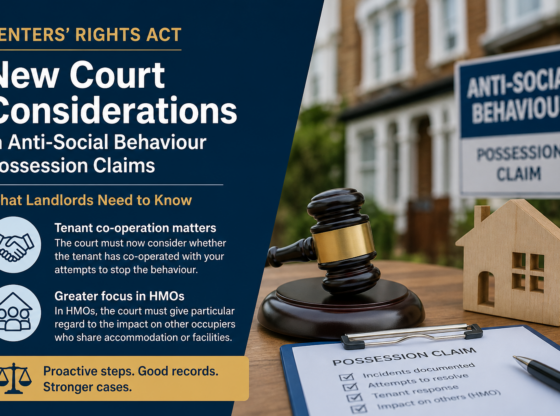
- Anti-social behavior.
- Neglect or damage to the property.
- Breach of tenancy terms.
Landlords must ensure the ground they choose is factually accurate and supported by evidence. Selecting the wrong ground can invalidate the entire process.
Step Two: Use the Correct Notice Form
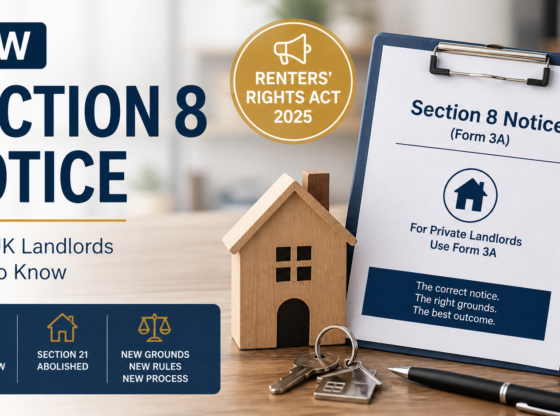
The government has introduced new standardized notice forms to replace the old Section 8 and Section 21 forms. Each form specifies the ground for possession and the evidence required.
Landlords must download the latest form from official government sources and fill it out completely, including:
- Landlord and tenant names.
- Property address.
- The specific ground for possession.
- A detailed explanation of the evidence.
Failure to use the correct form or leaving sections incomplete will render the notice invalid. This is a critical step in serving a valid eviction notice under the Renters’ Rights Act 2025.
Step Three: Attach Supporting Evidence
The Renters’ Rights Act 2025 demands that eviction notices be supported by verifiable evidence. Depending on the ground, this may include:
- Rent arrears cases: Rent statements covering at least six months.
- Property sale cases: Letters from estate agents or proof of intent to sell.
- Reoccupation cases: Proof of personal or family need for the property.
- Anti-social behavior: Witness statements, police reports, or video evidence.
The court will review this evidence when deciding whether to grant possession. Submitting incomplete or misleading evidence can result in the case being dismissed.
Step Four: Observe Correct Notice Periods
Notice periods under the Renters’ Rights Act 2025 depend on the ground used. Common examples include:
- Rent arrears: Minimum two weeks’ notice.
- Property sale or reoccupation: Three months’ notice.
- Anti-social behavior: Immediate or expedited notice depending on severity.
Landlords must count notice days carefully and ensure tenants receive the notice before the required deadline. Late or incorrectly served notices are legally invalid.
Understanding these timeframes is central to serving a valid eviction notice under the Renters’ Rights Act 2025 and maintaining compliance.
Step Five: Serve the Notice Properly
A notice can be served in several lawful ways, but proof of service is crucial. Landlords may deliver it:
- In person (with a witness).
- By recorded post to the tenant’s address.
- By email (if the tenancy agreement allows electronic service).
Landlords should keep dated proof of delivery, such as a postal receipt, witness statement, or email timestamp. This documentation will be vital if the case proceeds to court.
Step Six: Wait Out the Notice Period
Once the notice has been served, landlords must allow the whole notice period to pass. During this time, tenants may either vacate voluntarily or remain until a possession order is granted.
Landlords should avoid any form of harassment, lockout, or unauthorized entry, as these actions are illegal. Only after the notice period expires can the landlord apply for a court order.
This patience is part of how to serve a valid eviction notice under the Renters’ Rights Act 2025 lawfully and without risk of penalty.
Step Seven: Apply for a Possession Order
If the tenant does not leave by the deadline, landlords must apply to the county court for a possession order. The court will review the notice, evidence, and compliance with the Act.
A validly served notice and strong documentation will make the process quicker and more predictable. The court may issue a possession order immediately for mandatory grounds or, in discretionary cases, after a hearing.
Common Mistakes to Avoid
Many landlords lose eviction cases due to simple procedural errors. Avoid these pitfalls:
- Using outdated or incorrect forms.
- Serving notice without clear evidence.
- Miscounting notice periods.
- Failing to protect the deposit before serving notice.
- Not keeping proof of service.
Following each compliance step precisely ensures your eviction notice is valid and enforceable.
FAQs
Can landlords still serve eviction notices without a reason?
No. All notices must now be based on legally valid grounds under the Renters’ Rights Act 2025.
How long must I give tenants before applying for possession?
The notice period depends on the ground — two weeks for serious arrears, up to three months for sale or reoccupation.
What happens if I make a mistake on the notice?
Any error could invalidate the notice, requiring you to restart the process and lose valuable time.
Can tenants dispute the notice?
Yes, tenants may challenge notices in court if they believe the grounds are false or improperly evidenced.
Conclusion
Serving a valid eviction notice under the Renters’ Rights Act 2025 requires accuracy, transparency, and patience. While landlords no longer have the simplicity of Section 21, the updated framework ensures fairness and legal protection for all parties.
By understanding the correct grounds, forms, timelines, and evidence requirements, landlords can successfully serve valid notices and secure possession without legal complications.
Every compliant landlord who learns how to serve a valid eviction notice under the Renters’ Rights Act 2025 will be well-positioned to navigate England’s new tenancy system with confidence and professionalism.
Read our top-read blogs:
Why Landlords Are Selling Up Urgently?
The Renters Reform Bill: A Step Backwards for Landlords and the Housing Market?
Defending a Claim for Unlawful Eviction
Need help now? Contact Landlord Advice UK today for tailored guidance and practical support to future-proof your rental business.
Useful External Links
https://www.gov.uk/guidance/renters-rights-act-2025