Preventing Housing Disrepair
Preventing Housing Disrepair is essential for English landlords who want to protect their property, reduce complaints, and avoid costly disputes. A planned maintenance approach keeps homes safe, compliant, and ready for inspection at any time. Preventing Housing Disrepair also reduces long-term repair costs and strengthens landlord–tenant relationships.
Why Preventing Housing Disrepair Matters
Every landlord has a legal duty to keep the structure, exterior, plumbing, heating, and electrical systems in safe working order. Preventing Housing Disrepair ensures full compliance with these duties.
Early checks prevent minor issues from becoming significant hazards and protect landlords from potential enforcement action by the local authority.
Preventing Housing Disrepair also helps avoid damp, mould, leaks, and structural damage. These issues commonly lead to tenant complaints and can result in legal action if left unresolved.
External Structure and Weather Protection
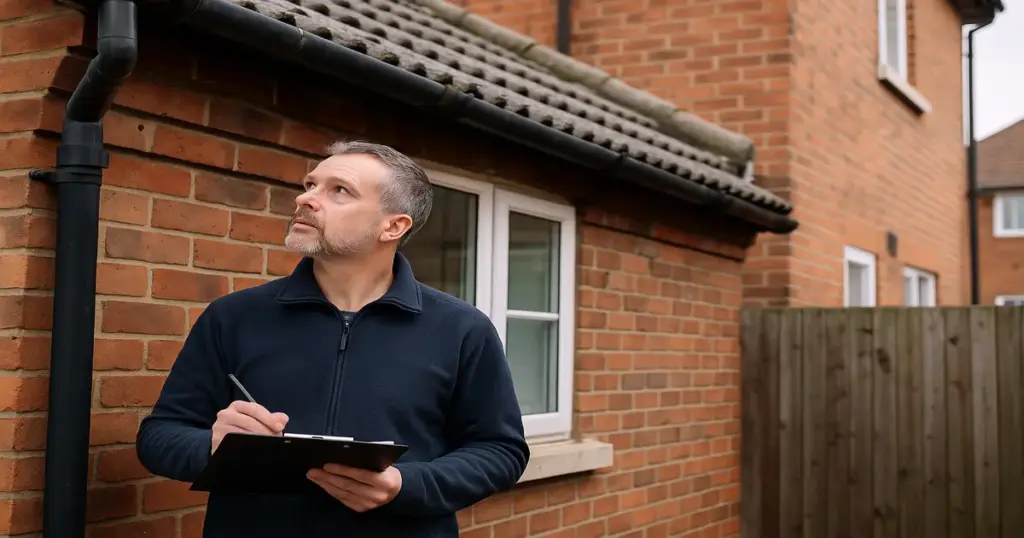
Inspecting roofs, brickwork, gutters, chimneys, and drainage is essential. Blocked gutters cause damp. Missing tiles lead to leaks. Damaged pointing allows water to enter the walls. These problems escalate quickly if ignored.
Regular external checks support Preventing Housing Disrepair and demonstrate that the landlord is maintaining the property responsibly.
Plumbing, Heating, and Hot Water Systems
Heating and hot water must work at all times. Boilers, radiators, and pipework need routine inspection. Small leaks can cause major internal problems, especially in older properties.
Gas safety checks and electrical inspections are critical. Preventing Housing Disrepair relies on maintaining these systems consistently and keeping complete records.
Damp, Mould, and Ventilation
Damp and mould remain some of the most common tenant complaints in England. Preventing Housing Disrepair requires identifying the source. Roof defects, leaking pipes, poor ventilation, and blocked extractor fans are typical causes.
Improving airflow, repairing leaks, and maintaining extractor fans help keep the home safe and reduce the risk of costly disputes.
Interior Condition and General Safety
Walls, ceilings, floors, windows, and fixtures should be inspected regularly. Smoke alarms, carbon monoxide alarms, and locks must all work properly. Preventing Housing Disrepair includes checking these elements and addressing any defects immediately.
Clean, well-maintained interiors reduce complaints and support long-term property condition.
Electrical and Gas Compliance
Electrical installations and gas appliances must remain safe and compliant. Detailed records of repairs and inspections protect landlords. Preventing Housing Disrepair depends on evidence of consistent maintenance and timely action.
Gardens, Boundaries, and Outside Areas
Fences, gates, paths, steps, and trees should all be checked. Loose paving stones, damaged gates, and overgrown vegetation can create hazards. Exterior maintenance is a vital part of Preventing Housing Disrepair because these issues often impact safety.
Drainage checks help prevent standing water, mould, and soil movement around the home.
Responding to Tenant Repair Requests
Tenants must report issues promptly, but landlords must still act quickly once informed. Written responses, agreed appointment times, and clear updates show professionalism.
Effective communication is central to Preventing Housing Disrepair. Good record-keeping protects both parties and avoids misunderstandings.
Reliable Contractors and Professional Standards
Using qualified contractors ensures repairs are completed to a high standard. Building a dependable network supports Preventing Housing Disrepair because delays often make problems worse.
Councils expect landlords to act promptly. A trusted contractor network helps landlords meet this expectation.
FAQs
What are landlords responsible for repairing?
Landlords must repair the structure, exterior, plumbing, heating, and electrical systems.
How often should landlords check their properties?
Seasonal checks and annual planned maintenance help prevent disrepair.
What if a tenant causes damage?
Tenants can be responsible for damage they cause, but landlords must still carry out essential repairs.
What if a tenant refuses access?
Written notice is required. Document refusals and offer alternative appointments.
Conclusion
Preventing Housing Disrepair protects the home, strengthens compliance, and reduces disputes. A structured maintenance approach and clear communication help landlords maintain a safe property and avoid costly problems. Preventing Housing Disrepair should form part of every landlord’s long-term management plan.
Read our top-read blogs:
Why Landlords Are Selling Up Urgently?
The Renters Reform Bill: A Step Backwards for Landlords and the Housing Market?
Defending a Claim for Unlawful Eviction
Need help now? Contact Landlord Advice UK today for tailored guidance and practical support to future-proof your rental business.
Useful External Links
https://www.gov.uk/private-renting
https://www.gov.uk/renting-out-a-property
https://england.shelter.org.uk
https://www.gov.uk/government/collections/housing-health-and-safety-rating-system-hhsrs-guidance