Section 8 vs Section 21: Which Eviction Notice Should You Use?
When regaining possession of a rental property, UK landlords must follow the correct legal process to avoid penalties and delays. One of the most common questions landlords ask is whether to use a Section 8 or Section 21 notice.
Both are valid forms of tenant eviction notice, but they apply in different circumstances. Understanding the distinction can save time, money, and stress.
Understanding the Two Eviction Routes
Under the Housing Act 1988, landlords in England and Wales can evict tenants using either Section 8 or Section 21 notices, depending on the situation. Both notices must be served lawfully and with proper documentation.
The choice between Section 8 and Section 21 depends on whether the landlord has a legal reason or grounds for eviction in the UK and whether the tenancy is within or beyond its fixed term.
What Is a Section 21 Notice? (No-Fault Eviction)
A Section 21 notice allows landlords to regain possession of their property without providing a reason. It is often referred to as a no-fault eviction notice. This notice can only be served at or after the end of a fixed-term tenancy agreement or during a periodic tenancy.
Key Features of Section 21
- You must give at least two months’ notice.
- You cannot serve it during the first four months of a tenancy.
- The deposit must be adequately protected in a government-approved scheme.
- The tenant must have received:
- A valid Gas Safety Certificate.
- An Energy Performance Certificate (EPC).
- The latest How to Rent guide.
If any of these documents were not provided, the tenant eviction notice may be invalid.
After the notice expires, if the tenant remains, the landlord can apply for an accelerated possession order, which usually doesn’t require a court hearing.
What Is a Section 8 Notice? (Fault-Based Eviction)
A Section 8 notice is served when a tenant breaches the terms of the tenancy agreement. It’s a grounds for eviction UK process that allows landlords to take legal action for specific tenant breaches, such as rent arrears, property damage, or anti-social behaviour.
Common Grounds for Eviction
Some of the most used grounds include:
- Ground 8: Two months’ rent arrears (mandatory).
- Ground 10: Some rent arrears (discretionary).
- Ground 11: Persistent late payment.
- Ground 12: Breach of tenancy terms.
- Ground 14: Anti-social or criminal behaviour.
- Ground 17: Tenant obtained tenancy through false statements.
Each ground has its own required notice period, usually between two weeks and two months.
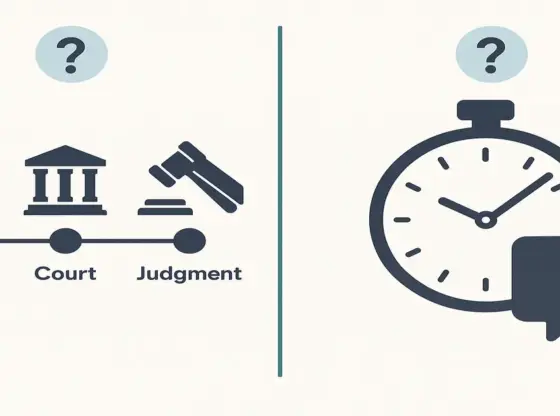
After serving the notice, if the tenant doesn’t leave, the landlord must apply for a standard possession order in court. This process includes a hearing, during which the judge may grant possession, adjourn the case, or dismiss it based on the evidence.
When to Use Section 21
Use a Section 21 notice when:
- You want your property back at the end of the fixed term.
- You don’t wish to renew the tenancy.
- There’s no dispute over rent or behaviour.
- You’ve met all legal requirements (deposit protection, safety certificates, etc.).
This route is faster and often less confrontational. However, you cannot claim rent arrears through the Section 21 process—you must file a separate money claim for that.
When to Use Section 8
Use a Section 8 notice when:
- The tenant has breached the tenancy agreement.
- There are serious or repeated rent arrears.
- The tenant has caused damage or nuisance.
- You have solid evidence to support your case.
Although it’s a firmer legal ground for problem tenants, the Section 8 route can be slower and more contentious because tenants can defend the claim in court.
Upcoming Changes: The End of Section 21
The Renters’ Rights Bill 2026 will abolish Section 21 no-fault evictions. Landlords will then need to rely on grounds for eviction in the UK similar to Section 8.
This reform aims to make tenancies more secure for renters while still allowing landlords to recover possession in fair and justified circumstances, such as selling the property or moving in themselves.
Landlords should prepare for this change by:
- Updating tenancy agreements to include strong clauses on arrears and conduct.
- Keeping clear records of all communications and inspections.
- Understanding the strengthened Section 8 grounds.
Practical Tips for Landlords
- Serve the correct notice form: Use Form 6A for Section 21 and Form 3 for Section 8.
- Check compliance: Ensure your deposit, EPC, and safety certificates are in order.
- Keep evidence: Rent statements, emails, and inspection photos can help your case.
- Act professionally: Avoid verbal disputes and follow proper written procedures.
- Seek expert help: Legal eviction specialists can handle forms and court filings correctly.
Following these steps ensures your tenant eviction notice process is legally sound.
Conclusion
Choosing between Section 8 and Section 21 depends on your reason for eviction. If your tenant has breached the agreement, a Section 8 notice gives you a stronger case. If you want possession after the tenancy ends, Section 21 remains the easier route until upcoming reforms change the law.
Whatever your situation, understanding the grounds for eviction in the UK and serving the correct tenant eviction notice will help you regain legal and efficient control of your property.
Read our top-read blogs:
Why Landlords Are Selling Up Urgently?
The Renters Reform Bill: A Step Backwards for Landlords and the Housing Market?
Defending a Claim for Unlawful Eviction
Need help now? Contact Landlord Advice UK today for tailored guidance and practical support to future-proof your rental business.