
How to Evict a Tenant Legally in England
Evicting a tenant in England is a serious legal process that must be handled carefully to avoid penalties or delays. Many landlords ask, “How to evict a tenant UK” or “What is the legal eviction process?” when faced with non-paying or problem tenants. This detailed guide explains every step of a lawful eviction of a tenant in England in 2025.
Understanding the Legal Eviction Process
The legal eviction process in England is governed by the Housing Act 1988, the Deregulation Act 2015, and evolving reforms under the Renters’ Rights Bill. Landlords must follow the correct procedure to remove tenants without breaching their rights. An illegal eviction can lead to criminal prosecution and compensation claims.
Before starting, confirm that you have legal grounds for eviction, such as rent arrears, anti-social behaviour, or the end of a fixed-term tenancy. Documentation and notice accuracy are essential.
Step 1: Identify the Correct Notice Type
There are two main eviction notice routes in England:
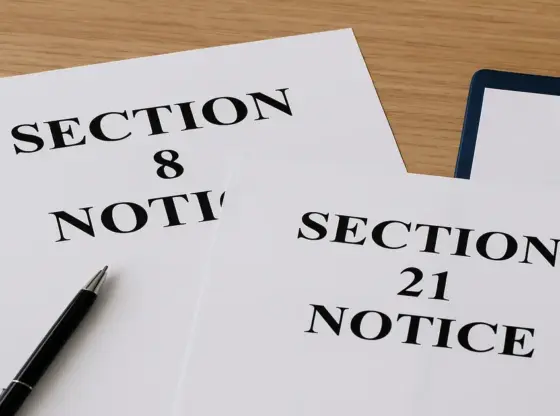
Section 21 Notice – No-Fault Eviction
A Section 21 notice is used when the tenancy has ended or is approaching its natural end. It allows landlords to regain possession without giving a specific reason. However, strict conditions apply:
- The tenant’s deposit must be protected in an approved scheme.
- The tenant must have received a valid Gas Safety Certificate, EPC, and How to Rent Guide.
- You must provide at least two months’ notice.
After the notice expires, if the tenant has not vacated, you can apply for an accelerated possession order.
Section 8 Notice – Breach of Tenancy
A Section 8 notice is issued when the tenant breaches the tenancy agreement, commonly for rent arrears or property damage. This is the typical route in most tenant eviction cases in England.
Common grounds include:
- Rent arrears (Grounds 8, 10, 11)
- Anti-social behaviour (Ground 14)
- Damage to property or neglect
- False statements to secure tenancy
The notice period ranges from 2 weeks to 2 months, depending on the grounds cited.
Step 2: Serve the Notice Correctly
Serving the notice correctly is crucial. Errors can make the eviction invalid.
You may serve notice:
- In person (with proof of delivery)
- By recorded delivery or post
- By email (only if the tenancy allows it)
Always keep proof of service, such as a signed declaration or postal receipt. It’s also good practice to send a duplicate copy via a second method.
If the tenant fails to respond or remedy the breach, you can proceed to court.
Step 3: Apply for a Possession Order
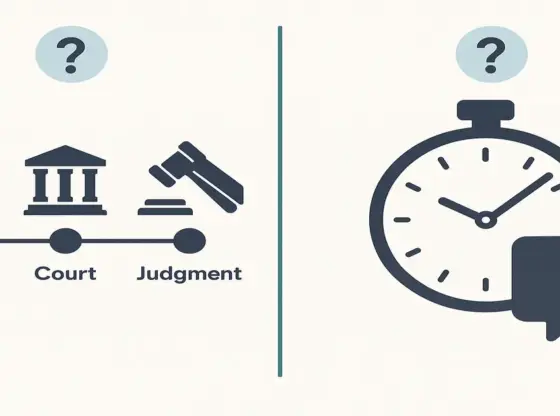
If the tenant doesn’t vacate after the notice period, the next stage in the legal eviction process is to apply to the county court.
Accelerated Possession Order (Section 21 only)
This is used when there are no rent arrears and the landlord seeks possession. It’s faster as there’s no need for a hearing. Submit:
- Form N5B (accelerated possession claim)
- Proof of Section 21 compliance
- Evidence of deposit protection and notices
The court usually issues an order within 6 to 8 weeks, provided the paperwork is correct.
Standard Possession Order (Section 8 or rent arrears)
If the tenant owes rent or you’re claiming other costs, use Form N5 and N119. This process includes a court hearing at which both parties can present their cases. Judges often grant 14 days for the tenant to vacate, but it can be extended to 6 weeks in cases of hardship.
Step 4: Enforcement by Bailiffs or High Court Enforcement Officers
If the tenant still refuses to leave after a possession order, you must not remove them yourself. You must request an eviction warrant.
- County Court Bailiffs – File Form N325 to request their assistance. The process may take several weeks, depending on local court workloads.
- High Court Enforcement Officers (HCEOs) – You can transfer the order to the High Court for faster eviction. This route requires court permission but is often preferred for urgent cases.
Only certified enforcement officers have the legal authority to remove tenants and their belongings physically.
Step 5: Recovering Rent Arrears and Damages
Once possession is regained, landlords may pursue outstanding rent or damages separately through the county court. You can:
- Use the Money Claim Online (MCOL) system.
- Deduct from the tenant’s deposit if justified.
- Seek a County Court Judgment (CCJ) to enforce repayment.
Maintaining accurate rent statements, photos of damage, and communication records strengthens your case.
Common Mistakes That Delay Evictions
Even experienced landlords can make procedural errors during tenant eviction proceedings in England. Avoid these pitfalls:
- Serving an outdated or incorrectly completed notice.
- Failing to protect the tenant’s deposit.
- Missing required documents, such as gas or EPC certificates.
- Using the wrong notice period or form.
- Attempting illegal self-eviction or harassment.
Each of these can invalidate your claim, forcing you to restart the process.
Upcoming Reforms Affecting Evictions in 2025
Under the proposed Renters’ Rights Bill 2026, Section 21 “no-fault” evictions will be abolished. Landlords will instead rely on revised Section 8 grounds. This means future legal eviction process routes will focus more on clear evidence of tenant breach or legitimate sale or occupation needs.
Landlords should prepare now by:
- Keeping all tenancy records organised.
- Ensuring agreements are compliant.
- Seeking legal guidance before serving notices.
Staying up to date on legal reforms ensures compliance and prevents costly delays.
Practical Tips for Landlords
- Communicate early: Try to resolve rent or behaviour issues amicably before escalating.
- Document everything: Keep all communication, notices, and receipts.
- Use professional help: Consider legal eviction specialists who can handle paperwork and court submissions accurately.
- Inspect regularly: Prevent disputes by identifying problems early.
These proactive steps make the eviction process smoother and legally secure.
Conclusion
Knowing how to evict a tenant in the UK the right way protects both the landlord’s and the tenant’s rights. The legal eviction process must comply with the law at every stage, from issuing a valid notice to obtaining court-ordered possession.
In all tenant eviction cases in England, accuracy and patience are vital. By adhering to the correct procedure and keeping clear records, landlords can regain possession legally and efficiently while avoiding penalties or delays.
Read our top-read blogs:
Why Landlords Are Selling Up Urgently?
The Renters Reform Bill: A Step Backwards for Landlords and the Housing Market?
Defending a Claim for Unlawful Eviction
Need help now? Contact Landlord Advice UK today for tailored guidance and practical support to future-proof your rental business.