
Section 21 Abolished: How to Legally Reclaim Your Property Now
The abolishment of Section 21 has brought sweeping changes to how landlords in England can recover possession of their rental properties.
The government’s no-fault eviction ban under the new Renters’ Rights Bill 2025 means landlords must now follow a new legal process to remove tenants. Understanding these new rules is essential to protect your property rights and remain compliant.
The End of No-Fault Evictions
Section 21 of the Housing Act 1988 allowed landlords to evict tenants without giving a reason once the fixed term ended, provided proper notice was served. That power is now gone.
The abolishment of Section 21 means every eviction must now be based on a valid legal ground.
This change was introduced to provide renters with greater security, ending what the government described as “unfair and destabilising” no-fault evictions.
However, landlords argue it may make regaining possession slower and more complex, particularly when dealing with non-paying or anti-social tenants.
What Replaces Section 21?
Section 21 has been replaced with an expanded and reformed Section 8 eviction process. Under Section 8, landlords must now cite one or more legal grounds for possession, supported by evidence.
These grounds have been revised and strengthened to reflect typical landlord needs while ensuring fairness to tenants.
The main grounds include:
- Serious rent arrears (usually more than two months)
- Anti-social or criminal behaviour
- Property damage or neglect
- The landlord intends to sell the property
- The landlord or their close family member needs to move in
- Breach of tenancy terms
The government has also created new mandatory and discretionary grounds for possession, meaning that, in some cases, courts must grant possession, while in others, judges can decide based on the circumstances.
How Do I Remove a Tenant Under the New Law?
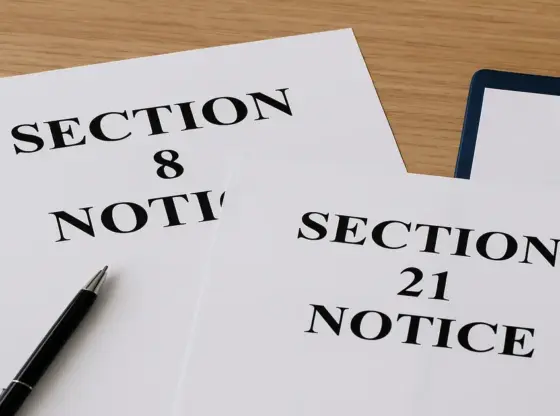
The eviction process under the no-fault eviction ban now follows a structured path. Landlords must issue a Section 8 notice, outlining the specific legal grounds and providing the required notice period. The notice period will vary depending on the reason for possession—for example, rent arrears require two weeks’ notice, while selling a property may need two months’ notice.
Once notice is served, if the tenant does not leave, landlords must apply to the court for a possession order. The new digital court system, promised by the government, is intended to speed up this process. However, until the reforms are entirely in place, landlords should still expect delays in some areas.
For complex cases, such as disputes about arrears or damage, a hearing will be scheduled. In straightforward cases, such as those involving mandatory grounds, courts may issue accelerated possession orders without a hearing.
Do I Need a Specific Reason to Evict Now?
Yes. The abolishment of Section 21 means landlords must now have a valid reason to evict. There are no exceptions. The days of simply asking tenants to leave because you “want your property back” are over.
The most common reasons for eviction under the new law include:
- Non-payment of rent
- Consistent late payments
- Anti-social or disruptive behaviour
- The landlord needs to sell or move in
- Major breach of tenancy terms
Each of these reasons requires proof. Landlords must keep accurate records of rent payments, communications, and any breaches to support their claim. Without proper evidence, courts are unlikely to grant possession.
Changes to Tenancy Agreements
The Renters’ Rights Bill 2025 introduces a new framework for tenancy agreements. Open-ended periodic tenancies are replacing Fixed-term Assured Shorthold Tenancies (ASTs). This means tenancies will continue indefinitely until either the tenant gives notice or the landlord successfully obtains possession through Section 8.
Tenants can end the tenancy with two months’ notice, while landlords must follow the legal eviction process. This shift ensures tenants can stay in their homes long-term, provided they meet their obligations.
Selling a Property Under the New Law
One primary concern for landlords is whether they can still sell their property. The good news is that they can. The new Section 8 grounds include an explicit provision allowing landlords to regain possession if they intend to sell.
However, there are conditions:
- The property must have been rented for at least six months.
- The landlord must provide evidence of the intention to sell, such as an estate agent contract or marketing materials.
This ensures the provision is not abused while allowing genuine sales to proceed. The same principle applies if the landlord or a close family member needs to move into the property.
The Role of the Courts
The courts will play a larger role in eviction cases under the no-fault eviction ban. To compensate for the loss of Section 21, the government promises a modernised court system with digital claim submission, priority hearings for urgent cases, and improved communication with landlords.
Key court improvements include:
- Online possession claims and real-time case tracking
- Priority handling for serious arrears and anti-social behaviour
- Simplified procedures for mandatory grounds
While this promises greater efficiency, practical results may vary depending on court workloads. Landlords should prepare for transitional delays as the new system takes shape.
Protecting Your Position as a Landlord
The abolishment of Section 21 has increased the importance of legal compliance and documentation. Landlords should now treat record-keeping as essential to successful property management.
Best practices include:
- Keeping written records of all tenant communication
- Documenting rent payments and arrears
- Conducting regular property inspections with signed reports
- Using updated tenancy agreements that reflect the new law
- Ensuring compliance with deposit protection and safety regulations
These steps not only strengthen your case in court but also demonstrate that you are a responsible landlord acting within the law.
Impact on the Rental Market
The no-fault eviction ban is expected to reshape the private rented sector. Some landlords may decide to sell, while others will adapt by tightening tenant screening and improving management practices. The reform could lead to fewer but more professional landlords remaining in the market.
For tenants, the new system provides greater stability and protection from unfair evictions. For landlords, it introduces a higher administrative burden but also a more transparent legal structure for regaining possession legitimately.
Over time, the market may adjust, and landlords who follow best practices will still find property investment profitable and sustainable under the new rules.
Common Landlord Questions Answered
What replaces Section 21?
Section 8 has been reformed to include more detailed and balanced grounds for possession. Landlords must now use Section 8 to evict tenants.
How do I remove a tenant under the new law?
Serve a Section 8 notice specifying the grounds for possession, then apply for a court order if the tenant does not leave. The process must follow legal timelines and documentation.
Do I need a specific reason to evict now?
Yes. The abolishment of Section 21 means you must have a lawful reason, such as rent arrears, property sale, or tenant misconduct.
Read our top-read blogs:
Why Landlords Are Selling Up Urgently?
The Renters Reform Bill: A Step Backwards for Landlords and the Housing Market?
Defending a Claim for Unlawful Eviction
Need help now? Contact Landlord Advice UK today for tailored guidance and practical support to future-proof your rental business.
Useful External Links
https://www.gov.uk/private-renting
https://www.gov.uk/evicting-tenants
https://www.gov.uk/government/news