Avoid Fines for Mould, Damp and Poor Property Conditions
Landlords across England face stricter enforcement as the government intensifies its health and safety campaign against substandard rental housing.
The 2025 reforms to property standards, inspections, and compliance mark a significant shift under the HHSRS reforms and new mould regulations for landlords.
With local authorities now equipped to issue faster and heavier penalties, property owners need to act before inspections begin. This guide explains how the new property health and safety rules work, what they mean for your obligations, and how to avoid costly fines.
What the HHSRS Updates Mean for Landlords
The Housing Health and Safety Rating System (HHSRS) has undergone significant reform for 2025, modernising how councils assess hazards in rented properties. The changes reflect a government push to make the private rental sector safer and more energy-efficient.
Simplified Hazard Categories
The old HHSRS system listed 29 potential hazards. Under the HHSRS reforms, these have been simplified into broader, easier-to-assess categories focusing on key issues such as damp, mould, excess cold, fire safety, electrical hazards, and overcrowding. This makes it easier for enforcement officers to identify breaches and for landlords to be held accountable.
Stronger Mould and Damp Regulations
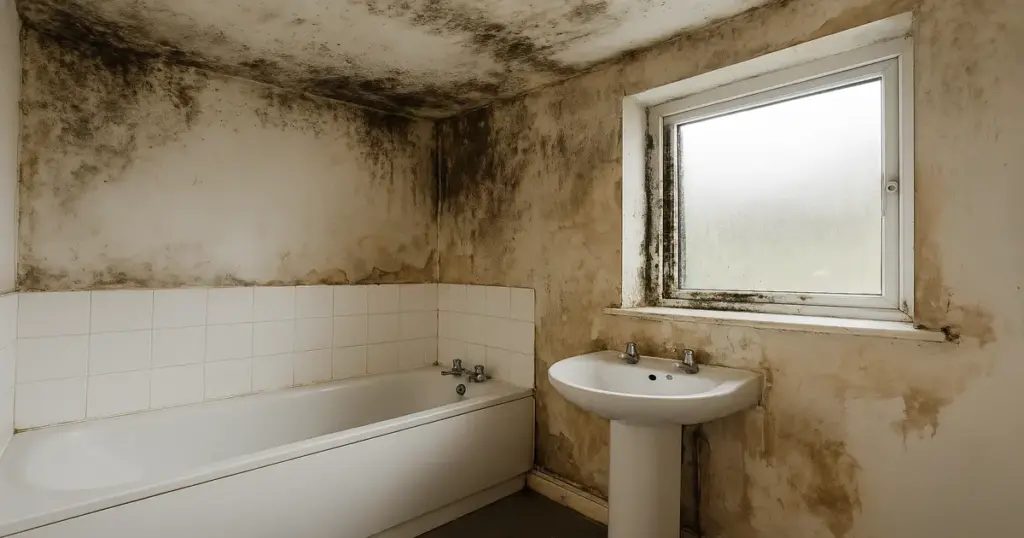
Following high-profile cases of tenant illness and neglect, mould regulations for landlords are now being rigorously enforced. Damp, mould, and condensation are classed as high-priority health hazards.
If a property shows evidence of poor ventilation, leaks, or untreated mould growth, the landlord may face substantial fines or even criminal prosecution for neglecting their duty of care.
Mandatory Health and Safety Action Plans
Local councils can now require landlords to submit detailed remedial action plans when hazards are identified.
Failure to comply within the given timeframe could lead to rent repayment orders or prohibition notices. This new level of accountability aims to raise the quality of homes nationwide.
Expanded Inspection Powers
Enforcement officers have greater authority to inspect without notice where complaints suggest health risks.
Under the HHSRS reforms, landlords must cooperate fully and show documented evidence of regular property maintenance, gas and electrical certificates, and ventilation system upkeep.
Higher Financial Penalties
Local authorities can impose civil penalties of up to £30,000 per offence, particularly for repeat offenders or severe neglect of property, health and safety obligations. Tenants also have enhanced rights to claim rent refunds or damages through the courts.
How to Avoid Penalties for Mould or Damp
Preventing issues before they escalate is now the only reliable defence under the new mould regulations for landlords. A proactive, documented maintenance strategy will safeguard both your tenants’ health and your investment.
Conduct Regular Damp and Mould Inspections
Schedule quarterly inspections to check for condensation, leaks, or poor ventilation. Pay particular attention to bathrooms, kitchens, and areas with limited airflow. Record findings and any remedial work carried out; these records can serve as proof of compliance during local authority checks.
Maintain Heating and Ventilation Systems
Many cases of damp and mould stem from inadequate ventilation or failing boilers. Ensure extractor fans, trickle vents, and radiators are working correctly. Annual servicing of heating systems is now seen as a core requirement under property health and safety compliance.
Educate Tenants on Proper Ventilation
Landlords are expected to provide tenants with guidance on preventing condensation. Supplying a simple “ventilation and heating guide” helps tenants understand their role and reduces misunderstandings. While tenant misuse can contribute to mould, landlords remain responsible for addressing the root cause.
Fix Leaks Immediately
Even minor leaks from roofs, windows, or plumbing can lead to extensive damp over time. Under the HHSRS reforms, a delayed response to water ingress may be treated as negligence. Implement a 24-hour response policy for reported leaks.
Upgrade Insulation and Energy Efficiency
Many mould problems arise from cold bridging in poorly insulated properties. Investing in insulation, double glazing, and energy-efficient heating systems not only prevents damp but also prepares you for the upcoming minimum EPC standards.
Keep Documentation Ready for Inspections
Maintain a comprehensive property safety file containing gas safety records, electrical installation condition reports (EICR), Legionella risk assessments, and mould treatment logs. These demonstrate compliance and help prevent penalties if a complaint arises.
Why the Crackdown Matters for Property Investors
The HHSRS reforms form part of a wider government drive to hold landlords to higher safety standards. Poor-quality accommodation has long been linked to health risks, especially among vulnerable tenants. The 2025 update aims to remove ambiguity around landlord responsibilities by focusing on clear, measurable outcomes.
For investors, compliance is now not just a legal requirement but a reputational necessity.
Local authorities are naming and shaming non-compliant landlords, and letting agents are increasingly refusing to list properties that fail safety checks.
Moreover, failure to address mould regulations for landlords can lead to loss of rent, forced property upgrades, or even bans on letting until repairs are certified. For portfolio landlords, one unresolved issue can trigger wider scrutiny of other holdings.
Turning Compliance into a Competitive Advantage
While many view the new rules as a burden, forward-thinking landlords see them as a chance to stand out.
Higher-Quality Housing Attracts Better Tenants
Well-maintained, healthy homes attract long-term tenants who pay rent reliably. Compliance with property health and safety standards reduces turnover and void periods.
Increased Property Value
Homes with certified safety and ventilation upgrades often command higher valuations and rental premiums, especially in competitive urban markets.
Reduced Legal and Financial Risks
By staying ahead of HHSRS reforms, landlords avoid enforcement actions, costly repairs, and damage to their reputation. Proactive compliance is far cheaper than retrospective remediation.
Access to Green and Retrofit Grants
Government and local councils are offering grants for landlords to improve insulation, ventilation, and heating systems. By upgrading early, you can reduce future tax liabilities and improve energy efficiency before tighter EPC deadlines.
FAQs
What are the HHSRS reforms?
The 2025 HHSRS reforms update the health and safety rating system used to assess hazards in rental housing. The system is now simplified, with greater focus on damp, mould, electrical safety, and energy efficiency.
What happens if mould is found in my rental property?
Landlords must investigate and treat the source of mould immediately. If the issue is due to poor ventilation, insulation, or leaks, you are responsible for repairs and may face fines for delays.
Can tenants report landlords directly to the council?
Yes. Tenants can file complaints about damp or unsafe living conditions, prompting an HHSRS inspection. Councils can issue fines, improvement notices, or even ban further letting until compliance is achieved.
How can I prove compliance?
Keep inspection reports, repair invoices, and safety certificates. These serve as evidence that you meet property health and safety standards under the updated regulations.
Conclusion
The 2025 HHSRS reforms and strengthened mould regulations for landlords represent one of the most critical compliance shifts in years. Landlords who ignore property health risks face escalating penalties, while those who invest in preventive maintenance will protect their income and reputation.
By taking a proactive approach through regular inspections, upgrades, and meticulous record-keeping, you can ensure compliance, avoid fines, and build long-term value in your property portfolio.
Read our top read blogs:
Why Landlords Are Selling Up Urgently?
The Renters Reform Bill: A Step Backwards for Landlords and the Housing Market?
Defending a Claim for Unlawful Eviction
Need help now? Contact Landlord Advice UK today for tailored guidance and practical support to future-proof your rental business.
Useful External Links
https://www.gov.uk/government/publications/housing-health-and-safety-rating-system-guidance
https://www.gov.uk/government/publications/private-rented-sector-minimum-standards
https://www.gov.uk/government/publications/damp-and-mould-guidance-for-landlords