How Long Does a Tenant Eviction Take in England?
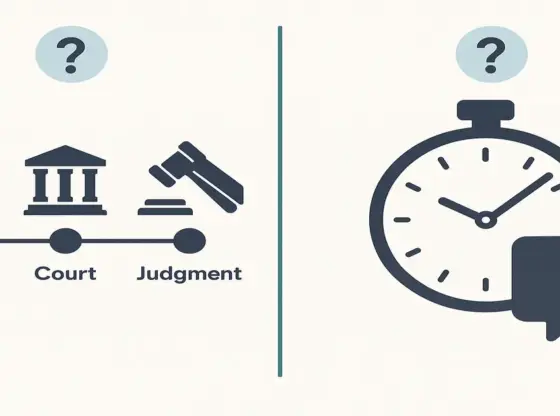
Many landlords facing problem tenants often ask, How long does a tenant eviction take in England? The truth is that the process is not quick. It depends on the notice type, court delays, and tenant cooperation. Understanding the real timelines helps landlords plan and act efficiently.
The Legal Framework of Tenant Evictions
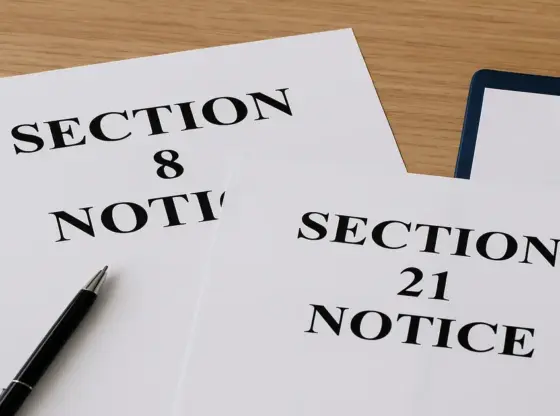
Evictions in England are governed by the Housing Act 1988 and other housing laws. There are two main routes landlords can take:
- Section 21 notice – used when landlords want possession at the end of a tenancy or during a rolling period, without giving a reason.
- Section 8 notice – used when tenants have breached the tenancy agreement, such as not paying rent or causing damage.
Each process has different steps, requirements, and timeframes, all of which affect how long a tenant eviction takes in England.
Stage One: Serving the Correct Notice
The eviction process starts by serving the proper notice. This stage alone affects how long a tenant eviction takes in England.
For Section 21, landlords must give at least two months’ notice. However, the notice is valid only if the landlord has met legal requirements, such as:
- Protecting the tenant’s deposit in a government-approved scheme.
- Providing an Energy Performance Certificate (EPC).
- Give the tenant a valid gas safety certificate.
- Supplying the “How to Rent” guide.
If any of these are missing, the notice may be invalid.
For Section 8, the notice period depends on the grounds. For rent arrears, the typical period is two weeks. For antisocial behaviour or serious breaches, notice may be immediate.
If the tenant ignores the notice, landlords must move to the next stage.
Stage Two: Applying to the Court
When the tenant does not vacate, landlords must apply to the court for possession. This is often where most time is lost, making it a critical factor in how long a tenant eviction takes in England.
- Section 21 accelerated possession – typically takes 6 to 10 weeks once filed. It’s paper-based, meaning landlords usually don’t attend court unless the judge requests clarification.
- Section 8 possession claim – generally takes 8 to 12 weeks or more. A court hearing is required, and if the tenant raises a defence, such as disrepair, it can delay proceedings further.
Court backlogs vary across England. Areas like London and Manchester often have longer delays due to heavy caseloads.
Stage Three: The Possession Order
If the court grants possession, the tenant is usually given 14 days to leave the property. However, judges may extend this to six weeks if the tenant faces severe hardship.
If the tenant still refuses to go, landlords must take enforcement action. This is often where frustration grows for those wondering how long a tenant eviction takes in England.
Stage Four: Bailiff or High Court Enforcement
After the possession order expires, the landlord must apply for enforcement:
- County Court bailiffs – can take four to eight weeks, depending on availability.
- High Court Enforcement Officers (HCEOs) – act faster, sometimes within one to two weeks, but require court permission and higher fees.
This stage is vital because landlords cannot remove tenants themselves. Only authorized enforcement officers can do so legally.
Realistic Eviction Timelines
Without using a table, here’s a practical breakdown of how long each route typically takes:
A Section 21 eviction typically takes around three to five months from notice to possession.
A Section 8 eviction for rent arrears usually takes four to six months.
Complicated or defended cases can last six months to a year, depending on court delays and tenant resistance.
Therefore, landlords should expect the average eviction in England to take about three to six months, though it can vary.
Why Evictions Take Longer Than Expected
Several factors can extend the process beyond expectations:
- Court backlogs are a result of limited resources and high case volumes.
- Tenant defences, such as alleging disrepair or deposit non-compliance.
- Paperwork errors, like missing certificates or incorrect notices.
- Local authority involvement, where councils tell tenants to remain until bailiffs arrive.
- Seasonal delays occur as courts slow down over holidays or busy periods.
All of these factors contribute to why the process of a tenant eviction in England is rarely straightforward.
How to Speed Up the Eviction Process
Landlords can take several steps to reduce delays:
- Use professional eviction specialists who understand housing law and court procedures.
- File paperwork electronically where available to save time.
- Keep detailed documentation, including rent schedules and communication records.
- Act promptly once rent arrears begin. Waiting too long can significantly extend the process.
- Consider High Court enforcement, which, though more costly, can recover possession faster.
Landlords who prepare early and follow the legal process carefully often regain control much sooner.
What If the Tenant Pays Before the Hearing?
In Section 8 rent arrears cases, if the tenant clears all arrears before the hearing, the mandatory ground for eviction (Ground 8) may no longer apply. The judge could refuse possession, which would require the landlord to start over or rely on discretionary grounds.
This shows the importance of strategic timing when deciding when to serve notice and when to issue proceedings.
How the Renters’ Rights Bill Could Affect Timelines
Under the new Renters’ Rights Bill, Section 21 will be abolished, leaving Section 8 as the only eviction route. This may initially slow down the process as courts handle more cases.
Landlords should therefore prepare for possible longer timelines in the future and ensure full compliance with all tenancy requirements.
FAQs
How long does a tenant eviction take in England if the tenant leaves after the notice?
If the tenant vacates voluntarily, eviction is completed within the notice period usually two months or less.
Can eviction be faster for rent arrears?
Yes, under Section 8 for rent arrears, notice can be as short as two weeks. However, the total time still depends on the court’s speed.
Can I remove the tenant myself after the court order?
No. Only court-appointed bailiffs or authorized High Court enforcement officers may legally remove tenants.
Does hiring a solicitor make eviction faster?
Yes, professionals ensure that documents are valid and processes are followed correctly, thereby avoiding restarts and invalid claims.
Conclusion
So, how long does a tenant eviction take in England? Landlords should expect around three to six months for the whole process, depending on notice type, court delays, and tenant behaviour. Acting early, keeping documents organized, and seeking expert help ensures the fastest, most lawful outcome.
Eviction may be slow, but precision and professionalism always deliver better results than rushed mistakes.
Read our top read blogs:
Why Landlords Are Selling Up Urgently?
The Renters Reform Bill: A Step Backwards for Landlords and the Housing Market?
Defending a Claim for Unlawful Eviction
Need help now? Contact Landlord Advice UK today for tailored guidance and practical support to future-proof your rental business.
Useful External Links
https://www.gov.uk/evicting-tenants
https://www.gov.uk/section-8-notice