How New Legislation Is Transforming the Private Rented Sector in 2025
The private rental landscape in the UK is changing faster than ever before. Following tragic cases such as that of Awaab Ishak, who died due to severe mould exposure, the government has introduced new and more challenging housing standards. These reforms are reshaping landlord obligations nationwide.
The Private Rented Sector’s latest safety standards are designed to eliminate health hazards, enforce quicker repair times, and ensure that rented homes meet stricter living conditions in 2025 and beyond.
Why the Private Rented Sector’s New Safety Standards Matter
The new safety laws place tenant wellbeing at the forefront. Damp, mould, poor ventilation, and unsafe structures have long plagued the sector.
Now, under the Private Rented Sector’s new safety standards, landlords must act promptly to fix such hazards or face heavy financial and legal consequences.
The government’s intention is clear: no tenant should live in unsafe or unhealthy housing conditions.
This means landlords must upgrade property maintenance routines, respond to complaints immediately, and adopt preventive management practices to avoid enforcement action.
What Triggered the New Safety Standards
The death of two-year-old Awaab Ishak in Rochdale in 2020 served as the defining moment that accelerated reform. Investigations revealed severe black mould in his family’s flat, conditions that were repeatedly reported but ignored.
This tragedy led to a wave of public outrage and legislative reform. As a result, the Private Rented Sector’s new safety standards now include mandatory response times for repairs, stricter hazard reporting, and broader enforcement powers for local authorities.
The government’s stance is firm: health and safety failures in rental housing will no longer be tolerated.
Key Areas Covered by the New Legislation
Damp and Mould Control
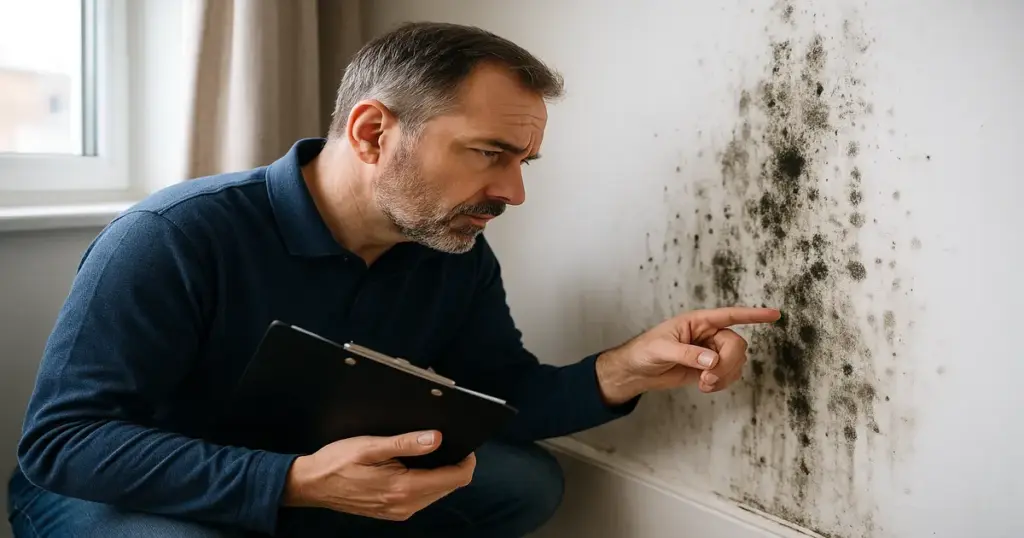
Landlords must now carry out immediate inspections upon receiving reports of mould or damp.
The Private Rented Sector’s new safety standards classify mould as a Category 1 hazard under the Housing Health and Safety Rating System (HHSRS).
This means landlords cannot delay or ignore remediation work. Persistent dampness or visible mould growth necessitates mandatory action, including addressing the root cause (such as poor ventilation or leaks) rather than merely temporary cleaning.
Mandatory Repairs and Timelines
A central element of the new reforms is mandatory repair deadlines. Councils can now issue Repair Orders requiring landlords to rectify hazards within specific timeframes.
Failure to comply can lead to heavy fines, rent repayment orders, or bans from operating rental properties.
Under the Private Rented Sector’s new safety standards, landlords must document repair timelines, maintain communication with tenants, and provide photographic evidence of completed works.
Enhanced Local Authority Enforcement
Local authorities are being equipped with additional funding and resources to inspect properties proactively. Councils can now access data from housing benefit, council tax, and licensing systems to identify high-risk properties.
The goal of the Private Rented Sector’s new safety standards is proactive prevention, not just punishment. This shift means landlords must maintain compliance continuously, not only when a tenant complains.
Broader Definition of Hazards
The updated HHSRS expands its definition of hazards to include modern environmental risks such as condensation mould, insulation failure, and indoor air quality. Electrical safety, damp-proofing, and ventilation systems are now under stricter scrutiny.
The Private Rented Sector’s new safety standards require landlords to conduct annual inspections, or they risk enforcement under new “fit for habitation” laws.
The Role of the Awaab’s Law Framework
The government’s “Awaab’s Law,” initially applied to social housing, is now being extended to the private rented sector. This legislation mandates landlords to investigate and repair damp or mould issues within set time limits.
Under the Private Rented Sector’s new safety standards, private landlords must investigate within 14 days, begin repairs within a further 7 days, and complete them promptly. Non-compliance can lead to prosecution, rent penalties, and listing on national enforcement databases.
How Landlords Can Stay Compliant
Conduct Regular Property Inspections
Regular inspections every six months or after adverse weather help identify leaks, damp patches, and ventilation issues early. This proactive approach ensures compliance with the Private Rented Sector’s new safety standards and avoids costly enforcement actions.
Improve Ventilation and Heating
Landlords should install extractor fans, ensure windows open properly, and maintain consistent heating. Tenants should also be educated on correct ventilation practices to reduce condensation.
Keep a Digital Maintenance Log
Maintaining records of tenant complaints, repair invoices, and inspection photos provides strong evidence of compliance. This digital trail protects landlords during local authority audits.
Engage Professional Contractors
DIY repairs may not meet new health standards. Using qualified contractors ensures that all works comply with the Private Rented Sector’s latest safety standards, reducing future liability.
Upgrade Old Properties
Older homes with outdated insulation or poor drainage systems are most at risk. Investing in structural upgrades now can prevent expensive legal issues later.
Penalties for Non-Compliance
Landlords who fail to meet these standards face significant penalties:
- Unlimited fines for neglecting repairs
- Rent repayment orders for tenants
- Bans from operating as a landlord
- Possible criminal charges in severe negligence cases
The Private Rented Sector’s new safety standards make compliance non-negotiable. Local authorities are already conducting surprise inspections and using data analytics to identify repeat offenders.
The Future of the Private Rented Sector
These reforms represent a cultural shift in the way landlords manage properties. Rather than reactive maintenance, the focus is now on continuous safety monitoring.
While the legislation adds new responsibilities, it also strengthens professionalism within the sector. Responsible landlords who comply with the Private Rented Sector’s latest safety standards will benefit from better tenant retention, higher property values, and improved public trust.
Conclusion
From mould to mandatory repairs, the UK’s rental housing system is undergoing a complete transformation. Landlords must adapt quickly to remain compliant and competitive.
The Private Rented Sector’s new safety standards are not merely about avoiding fines; they are about protecting lives, improving housing quality, and ensuring every tenant has a safe, healthy home.
By adopting proactive inspection routines, upgrading older properties, and maintaining accurate records, landlords can thrive under this new framework of accountability and care.
Read our top read blogs:
Why Landlords Are Selling Up Urgently?
The Renters Reform Bill: A Step Backwards for Landlords and the Housing Market?
Defending a Claim for Unlawful Eviction
Need help now? Contact Landlord Advice UK today for tailored guidance and practical support to future-proof your rental business.
Useful External Links
https://www.gov.uk/government/publications/housing-health-and-safety-rating-system-guidance
https://www.gov.uk/government/news/awaabs-law-to-ensure-homes-are-free-from-dangerous-damp-and-mould