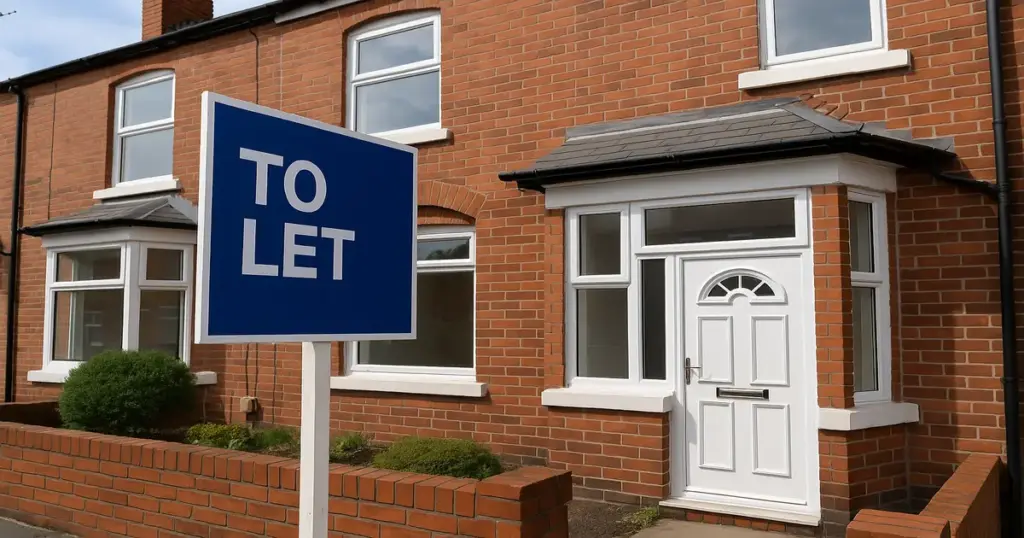
Rent Increases Under the Renters’ Rights Bill: What’s Allowed Now
The Renters’ Rights Bill 2025 introduces new rules for landlords on how rent can be reviewed and increased. Designed to make the private rental market fairer and more transparent, the new framework sets clear limits on how often rents can rise and gives tenants stronger rights to challenge unfair increases.
Understanding the rent increase rules 2025 is essential for landlords to remain compliant, maintain good tenant relationships, and avoid costly disputes.
This guide explains how the new law works, what counts as a fair rent, and how landlords can manage rent adjustments lawfully under the updated system.
How the Renters’ Rights Bill Changes Rent Increases
Under previous laws, landlords could increase rent at the end of a fixed-term tenancy or annually under a clause in the tenancy agreement. However, the Renters’ Rights Bill 2025 abolishes fixed-term tenancies and replaces them with open-ended periodic tenancies.
This change means landlords can no longer rely on automatic rent increases linked to tenancy renewals. Instead, all rent adjustments must follow the new statutory procedure set out by the Bill.
The government’s goal is to prevent sudden or excessive rent hikes while still allowing landlords to receive a fair market return.
How Often Can I Increase Rent?
Under the rent increase rules 2025, landlords can only increase rent once per year. The increase must:
- Be reasonable and in line with local market rates.
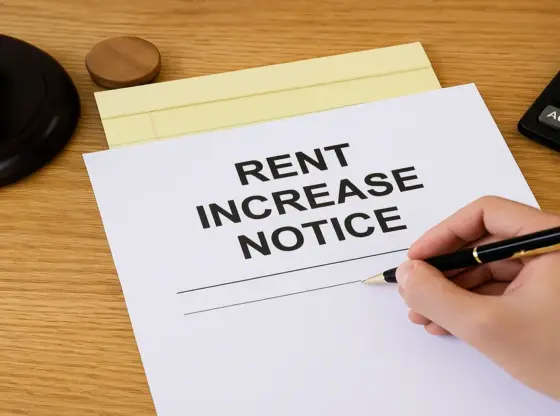
- Be given at least two months’ written notice.
- Be served using the official government form for rent increases.
The new law prevents multiple rent hikes within a single 12-month period, even if the tenancy continues for several years. Any rent increase not served in accordance with the proper process will be invalid.
This rule provides predictability for tenants and helps landlords plan annual reviews in a structured, lawful manner.
What Is Considered a Fair Rent?
The Renters’ Rights Bill rent control measures stop short of imposing strict price caps but focus on ensuring fair and transparent rent adjustments.
A fair rent reflects the market rate for similar properties in the same area and condition. When determining a fair rent, landlords should consider:
- Comparable rents in the local area.
- The size, quality, and location of the property.
- Recent improvements or renovations have been made.
- Local economic conditions and demand trends.
Rent increases that exceed typical market movements can be challenged by tenants, who now have stronger protection against unreasonable hikes.
The government’s long-term plan includes monitoring regional rental data to identify areas of potential rent inflation, and, if needed, introducing local rent control mechanisms.
Do Tenants Have the Right to Challenge Rent Rises?
Yes. The Renters’ Rights Bill 2025 strengthens tenant rights to dispute rent increases they consider unfair.
If a tenant believes a proposed increase is excessive, they can:
- Challenge the rent increase within the notice period.
- Apply to the First-tier Tribunal (Property Chamber) for review.
- Have the tribunal assess whether the proposed rent is fair and in line with market rates.
The tribunal will base its decision on evidence from both parties, including local rent comparisons and property condition reports.
Notably, rent cannot be increased while a challenge is ongoing. This prevents landlords from imposing unauthorised increases or using rent pressure to encourage tenants to leave.
What Process Must Landlords Follow?
The Renters’ Rights Bill 2025 sets out a formal process for implementing rent increases under open-ended tenancies. To comply with the law, landlords must:
Serve Written Notice
Provide the tenant with at least 2 months’ written notice using the official rent increase form (issued by the government). The notice must clearly state:
- The current rent.
- The proposed new rent.
- The date it will take effect.
Ensure the Increase Is Reasonable
The increase should align with local market conditions. Excessive or sudden hikes may be deemed unlawful or rejected by the tribunal.
Wait for the Notice Period to Expire
Tenants must be given full notice before the new rent applies. If they dispute it, the rent remains unchanged until the case is resolved.
Maintain Proper Records
Keep proof of notice, correspondence, and supporting evidence for the increase. Proper documentation protects landlords in the event of a dispute.
How the Tribunal Decides on ‘Fair Rent’
If a tenant challenges an increase, the First-tier Tribunal will determine whether the rent is fair. The tribunal considers:
- Local comparable rents for similar properties.
- The property’s location, size, and amenities.
- Recent market changes or regional rent trends.
- Any legitimate cost increases (e.g., insurance, maintenance).
The tribunal may:
- Approve the landlord’s proposed increase.
- Set a lower rent if the proposal is deemed excessive.
- In rare cases, keep the current rent unchanged.
Once the tribunal issues its decision, both landlord and tenant must comply. Landlords cannot reapply for another rent increase for at least 12 months after the ruling.
Can I Still Include Rent Review Clauses in the Tenancy?
Yes, landlords can still include rent review clauses in tenancy agreements, but these clauses must comply with the Renters’ Rights Bill 2025.
Any rent review clause must:
- Be clear and transparent.
- Specify how rent changes will be calculated (e.g., linked to inflation or market rates).
- Follow the same annual frequency and notice period rules.
Clauses that allow rent increases more than once a year or without notice are unenforceable.
The government wants to ensure tenants always know when and how rent can change—preventing hidden or automatic increases from being added to tenancy agreements.
Rent Control and Market Stability
While the Bill does not introduce nationwide rent control, it establishes a legal structure that limits sudden, excessive rent growth. Local authorities are also empowered to monitor rent trends and report sharp increases.
If any area shows signs of significant rent inflation, the government may implement targeted rent stabilisation measures to protect tenants while ensuring landlords can still achieve reasonable returns.
This approach aims to prevent market volatility while keeping investment in the private rental sector attractive and sustainable.
Practical Tips for Landlords
To manage rent increases effectively and avoid disputes, landlords should:
- Research local rents using reliable data from letting agents or property portals.
- Keep rent increases gradual, in line with inflation or market averages.
- Document improvements or maintenance that justify a higher rent.
- Communicate clearly with tenants about upcoming changes.
- Follow the official notice process precisely; informal notifications are not legally valid.
A consistent, transparent approach helps maintain tenant trust and reduces the risk of tribunal challenges.
Impact of the Renters’ Rights Bill on Landlords
The Renters’ Rights Bill 2025 encourages professionalism and accountability across the sector. While landlords now face tighter regulation, they benefit from greater clarity and consistency.
Landlords who follow the correct process can still:
- Adjust rent annually to reflect inflation and market value.
- Recover fair returns on well-maintained properties.
- Build stable, long-term relationships with tenants who value fairness and predictability.
Failure to comply, however, could lead to disputes, delayed rent adjustments, or penalties if found to be in breach of the law.
Common Landlord Questions Answered
How often can I increase rent?
Only once every 12 months, with at least two months’ written notice using the official rent increase form.
Do tenants have the right to challenge rent rises?
Yes. Tenants can refer increases to the First-tier Tribunal, which will determine whether the new rent is fair and market-based.
What is considered a ‘fair’ rent?
A fair rent reflects the local market rate for similar properties and accounts for the property’s condition, size, and amenities.
Read our top-read blogs:
Why Landlords Are Selling Up Urgently?
The Renters Reform Bill: A Step Backwards for Landlords and the Housing Market?
Defending a Claim for Unlawful Eviction
Need help now? Contact Landlord Advice UK today for tailored guidance and practical support to future-proof your rental business.
Useful External Links
https://www.gov.uk/private-renting