What’s Changing Under the New Renters’ Rights Bill
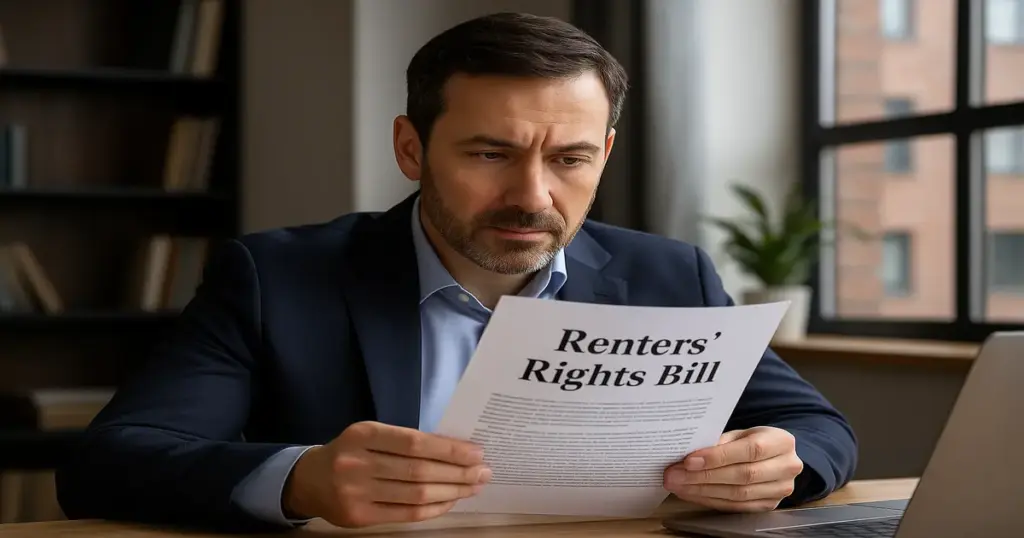
The Renters’ Rights Bill 2026 marks the most significant reform to UK rental law in decades. Designed to create a fairer and more transparent system, it directly affects every private landlord in England and Wales. The Bill’s main objective is to provide tenants with stronger rights while holding landlords to higher standards of accountability and property maintenance.
Under the Renters’ Rights Bill 2026, the government has confirmed the complete end of Section 21 evictions. This mechanism previously allowed landlords to remove tenants without providing a reason once a tenancy ended. This change represents a significant shift in the balance of landlord-tenant relationships and signals the start of a new regulatory era for the private rented sector.
Alongside this, the Bill introduces measures to:
- Simplify tenancy structures under one flexible tenancy type.
- Strengthen tenant protection against unfair eviction and rent increases.
- Improve property conditions through enhanced enforcement powers for local authorities.
- Modernize the complaints and redress system for both landlords and tenants.
For landlords, the Renters’ Rights Bill 2026 means operating with greater transparency, improved record-keeping, and readiness for stricter enforcement.
How the End of Section 21 Will Affect You
For decades, Section 21 notices gave landlords flexibility and control when ending tenancies. Its removal under the Renters’ Rights Bill 2026 now requires all evictions to go through Section 8 or new statutory grounds, meaning landlords must provide valid reasons such as rent arrears, anti-social behavior, or intent to sell.
While critics fear this reduces landlord rights, the government argues it will bring fairness and stability to the rental market. In practice, landlords must adapt their strategies to fit within this new framework.
The Renters’ Rights Bill 2026 ensures that landlords still retain the ability to regain possession for legitimate reasons, but the process will be more evidence-based and formal.
Key implications for landlords include:
- Longer tenancies and fewer automatic terminations.
- Greater need for documentation to support any possession claim.
- Updated tenancy agreements that clearly outline grounds for repossession.
- More robust management standards, ensuring full compliance with safety and maintenance laws.
The end of Section 21 will also likely encourage landlords to adopt more professional practices. Good landlords who maintain clear communication and strong record-keeping will adapt successfully to the Renters’ Rights Bill 2026, while non-compliant landlords may face higher risks of disputes or fines.
Preparing for the New Tenancy Framework in 2026
From 2026 onward, the Renters’ Rights Bill for landlords introduces a single, open-ended tenancy structure. This eliminates fixed-term contracts, allowing tenants to stay indefinitely unless the landlord has a lawful ground for possession.
To remain compliant, landlords must:
- Review and update tenancy agreements to meet the new legal format.
- Audit properties for health, safety, and repair standards under the new “Decent Homes Standard.”
- Document all communication and repairs, as digital evidence will be key during disputes.
- Strengthen rent management systems to address arrears promptly and lawfully.
The Renters’ Rights Bill 2026 also increases transparency obligations. Landlords will need to register with a new digital Property Portal, confirming compliance with licensing, deposit protection, and safety rules. This database aims to improve tenant confidence while helping enforcement teams identify rogue landlords more efficiently.
The Bill also reinforces rent fairness. Rent increases will be limited to once per year and must align with market evidence, giving tenants greater protection from sudden rent hikes.
For landlords, this means a more predictable but regulated income stream, an essential factor to include in financial planning for the Renters’ Rights Bill 2026 transition.
Financial and Operational Implications for Landlords
The changes introduced by the Renters’ Rights Bill 2026 will likely increase operating costs in the short term, as landlords upgrade properties and ensure compliance. However, the reforms also create an opportunity for long-term stability and professionalism in the sector.
Landlords should prepare by:
- Conducting a full compliance audit before the Bill becomes law.
- Ensuring deposit protection schemes are updated and accessible.
- Reviewing insurance policies to cover new tenancy risks.
- Consulting property lawyers or landlord associations to interpret evolving legal duties.
Financially, landlords must plan for a tighter regulatory environment but can still thrive by focusing on high-quality properties and reliable tenants. Adapting early to the Renters’ Rights Bill 2026 will minimize disruption and position landlords competitively in a more transparent market.
Building Professionalism and Trust in the New Era
The Renters’ Rights Bill 2026 is about transforming the private rented sector into a modern, accountable industry. While it challenges outdated practices, it rewards landlords who adopt a business-minded and transparent approach.
By treating property management as a regulated profession rather than a passive investment, landlords can safeguard their interests while offering fair, compliant housing. Joining accredited landlord associations and participating in the new Property Portal will enhance credibility and provide access to training, guidance, and early legislative updates.
Ultimately, the Renters’ Rights Bill 2026 is not just about restrictions it’s about raising standards. Those who embrace these changes now will stay ahead of reform and maintain profitability despite tighter controls.
Conclusion
The Renters’ Rights Bill 2026 is reshaping the UK rental landscape. It replaces the long-standing Section 21 system with a fairer, evidence-based tenancy structure that benefits both responsible landlords and tenants.
While the transition will require effort, landlords who understand the changes, invest in compliance, and manage professionally will continue to thrive. Preparing early ensures you stay compliant, safeguard income, and build long-term resilience in a modernized rental market.
The message is clear: the Renters’ Rights Bill 2026 isn’t the end of landlord flexibility, it’s the start of a brighter, fairer rental future.
Read our top read blogs:
Why Landlords Are Selling Up Urgently?
The Renters Reform Bill: A Step Backwards for Landlords and the Housing Market?
Defending a Claim for Unlawful Eviction
Need help now? Contact Landlord Advice UK today for tailored guidance and practical support to future-proof your rental business.
Useful External Links
https://www.gov.uk/government/publications/the-renters-reform-bill
https://www.gov.uk/private-renting
https://www.gov.uk/government/news/uk-government-reforms-renters-rights
https://www.gov.uk/government/publications/housing-health-and-safety-rating-system-guidance