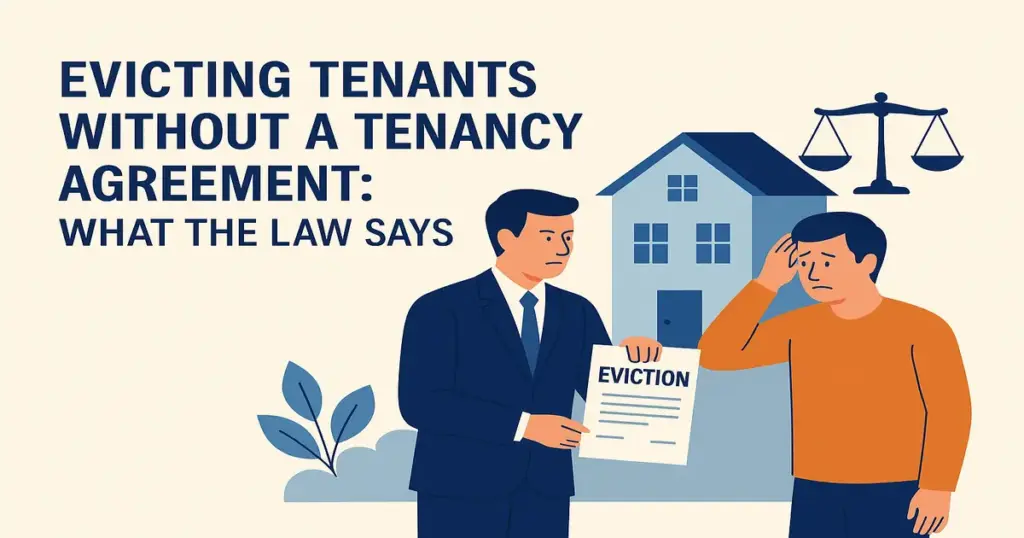
Evicting Tenants Without a Tenancy Agreement: What the Law Says
Understanding the Challenge of Evicting Tenants Without a Tenancy Agreement
Evicting tenants without a tenancy agreement is one of the most common and stressful situations landlords face in England. Many landlords rent out property informally — to friends, family members, or long-term occupants and later discover that without a written tenancy agreement, the eviction process becomes more complex. However, the absence of a written contract does not mean landlords are powerless. The law still recognizes a tenancy, and eviction can be achieved legally with the correct procedure.
In this guide, we explain what the law says about evicting tenants without a tenancy agreement, your legal rights as a landlord, and how to avoid common mistakes that can delay possession of your property.
Is It Legal to Evict Tenants Without a Tenancy Agreement?
Evicting tenants without a tenancy agreement is legal, but landlords must follow specific legal steps. Even if there’s no written document, an implied tenancy or verbal agreement is formed once rent is paid and accepted.
Under the Housing Act 1988, this arrangement automatically becomes an Assured Shorthold Tenancy (AST) provided the tenant has exclusive possession of the property and pays rent.
This means you cannot simply ask the tenant to leave or change the locks, as doing so could amount to illegal eviction, which is a criminal offence. Instead, you must serve the correct notice and obtain a possession order through the County Court if the tenant refuses to leave voluntarily.
Determining the Type of Tenancy
Before evicting tenants without a tenancy agreement, landlords must determine what type of tenancy exists:
- Assured Shorthold Tenancy (AST): Most common for private rentals in England and Wales, where rent is paid regularly and the tenant lives exclusively in the property.
- Excluded Tenancy or Licence: Applies where the tenant shares accommodation with the landlord (for example, a lodger situation). In this case, less notice is required.
- Periodic Tenancy: If the original written tenancy expired but rent continues to be paid monthly, a periodic tenancy arises automatically.
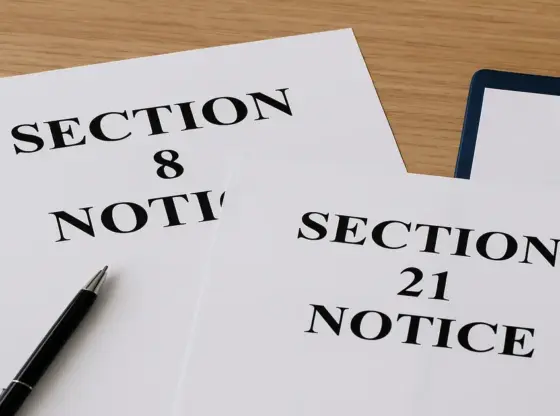
Understanding the tenancy type is essential because it dictates which legal notice, Section 21 or Section 8, applies when evicting tenants without a tenancy agreement.
Using a Section 21 Notice
If the tenant has an implied or periodic AST, landlords can use a Section 21 notice to regain possession after the fixed term or during a rolling tenancy. This is often the most straightforward route when evicting tenants without a tenancy agreement, provided specific legal requirements are met.
However, there are some restrictions:
- You must give at least two months’ notice.
- You cannot use Section 21 if a deposit was not adequately protected in a government-approved scheme.
- The tenant must have received valid documents such as the Gas Safety Certificate, EPC, and the How to Rent Guide.
If these conditions cannot be proven (for example, no records exist due to the lack of a written tenancy), you may need to rely on Section 8 grounds instead.
Using a Section 8 Notice
A Section 8 notice is based on specific grounds under the Housing Act 1988, such as rent arrears, property damage, or antisocial behaviour. When evicting tenants without a tenancy agreement, this route is often more practical because it does not require proof of prior compliance with Section 21 prerequisites.
Common grounds include:
- Ground 8: At least two months’ rent arrears.
- Grounds 10 and 11: Persistent late payment of rent.
- Ground 12: Breach of tenancy obligations.
The notice period can range from two weeks to two months, depending on the grounds used. If the tenant fails to vacate after the notice expires, you can apply to the County Court for a possession order.
Evidence and Proof When There Is No Written Agreement
When evicting tenants without a tenancy agreement, evidence is key. The court will look for proof that a tenancy existed and that the tenant was given reasonable notice.
Useful evidence includes:
- Bank statements showing regular rent payments.
- Emails, text messages, or letters confirming the rent amount or occupancy.
- Utility bills in the tenant’s name.
- Witness statements from neighbors confirming tenancy details.
These documents demonstrate that a landlord-tenant relationship exists and that the eviction is being pursued lawfully.
Court Procedure for Evicting Tenants Without a Tenancy Agreement
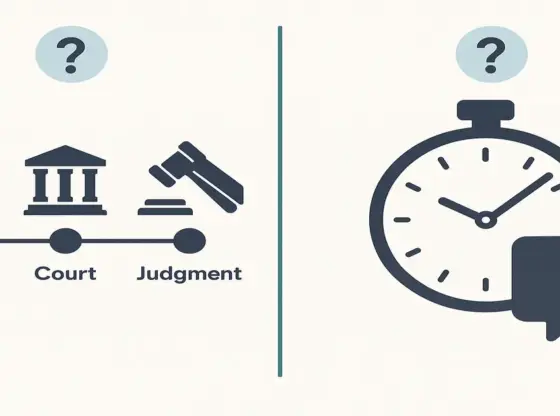
If the tenant ignores your notice, the next step is to apply for a possession order through the County Court. Since there’s no written agreement, you cannot use the accelerated procedure. Instead, a standard possession claim must be made, which requires a hearing.
The process typically involves:
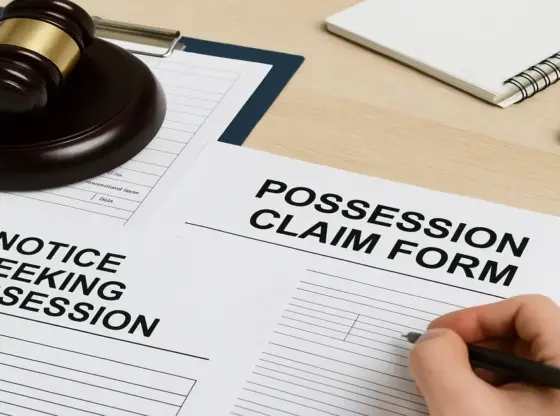
- Filing a possession claim (Form N5): Submit to the local County Court with the required evidence.
- Attending the court hearing: The judge reviews your evidence and may grant a possession order.
- Applying for bailiffs (if needed): If the tenant still refuses to leave, apply for a warrant of possession, allowing court-appointed bailiffs to evict the tenant.
Although slower than an accelerated claim, this route ensures legal compliance and avoids accusations of unlawful eviction.
Illegal Eviction: What Landlords Must Avoid
When evicting tenants without a tenancy agreement, it’s crucial not to take matters into your own hands. The following actions are illegal under the Protection from Eviction Act 1977:
- Changing locks or removing tenant belongings without a court order is prohibited.
- Threatening or harassing the tenant to force them to leave.
- Shutting off utilities or access to essential services.
Illegal eviction can result in criminal prosecution, heavy fines, or even imprisonment. Always follow the proper legal process and obtain a court order before removing tenants.
How to Avoid This Situation in the Future
Once you’ve dealt with evicting tenants without a tenancy agreement, it’s wise to prevent the issue from recurring. Always use a written Assured Shorthold Tenancy Agreement, even for friends or family members. This document clearly defines rent, duration, notice periods, and responsibilities, protecting both parties in the event of a dispute.
Additionally, always:
- Protect deposits in a government-approved scheme within 30 days.
- Provide tenants with safety certificates and compliance documents.
- Keep communication records and rent receipts for legal evidence.
These small administrative steps can prevent costly legal problems in the future.
Professional Help for Evicting Tenants Without a Tenancy Agreement
Evicting tenants without a tenancy agreement requires precision and legal knowledge. Many landlords find it helpful to instruct a professional eviction specialist or solicitor to handle notices, court paperwork, and hearings. Mistakes can result in your case being dismissed, forcing you to restart the process.
A professional eviction company can:
- Assess the type of tenancy.
- Serve the correct Section 8 or Section 21 notice.
- Prepare evidence and represent you in court.
- Arrange bailiff enforcement if required.
With expert help, landlords can avoid delays and regain possession of their property lawfully and efficiently.
FAQs
Can I evict a tenant immediately if there’s no tenancy agreement?
No. You must give proper notice and obtain a possession order. Immediate eviction is unlawful and could lead to prosecution.
What if the tenant never paid rent?
If no rent was ever paid, the arrangement may not qualify as a tenancy. In such cases, the occupant could be considered a licensee, allowing for shorter notice and faster eviction.
Can I use the police to remove a tenant?
The police cannot evict tenants without a court order. They will only intervene if there is violence or criminal behavior.
Do I need a solicitor to evict tenants without a tenancy agreement?
Not necessarily, but legal professionals ensure the process is correct, saving time and avoiding costly mistakes.
Conclusion
Evicting tenants without a tenancy agreement can be daunting, but the law provides clear procedures to protect landlords.
By identifying the tenancy type, serving the correct notice, gathering solid evidence, and following court protocols, landlords can regain possession lawfully. Always avoid shortcuts. An illegal eviction can cost far more in the long run. For fast, compliant, and stress-free eviction support, professional eviction services can make all the difference.
Read our top read blogs:
Why Landlords Are Selling Up Urgently?
The Renters Reform Bill: A Step Backwards for Landlords and the Housing Market?
Defending a Claim for Unlawful Eviction
Need help now? Contact Landlord Advice UK today for tailored guidance and practical support to future-proof your rental business.
Useful External Links
https://www.gov.uk/evicting-tenants