
How Landlords Can Respond to Tenant Defenses in a Section 8 Possession Claim
When tenants file a defense to a possession claim, it can delay proceedings and increase stress for landlords.
Understanding how landlords can respond to tenant defenses in a Section 8 possession claim is vital to protect your investment and regain possession lawfully.
This guide explains common tenant defenses, how landlords can prepare strong replies, and practical steps to improve the chances of success in court.
Understanding Section 8 Possession Claims
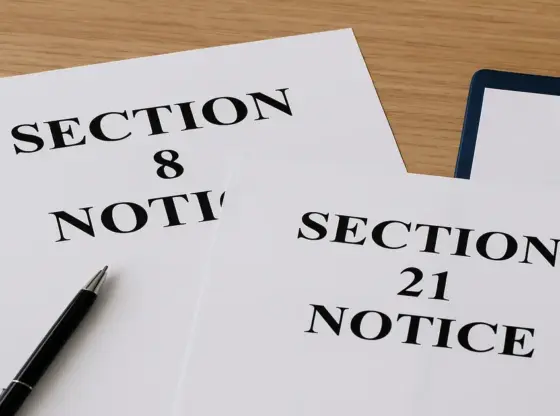
A Section 8 possession claim allows landlords to seek possession when a tenant breaches the tenancy agreement, such as rent arrears, property damage, or anti-social behavior. It is governed by the Housing Act 1988 and typically relies on specific “grounds for possession.”
Knowing how landlords can respond to tenant defenses in a Section 8 possession claim means understanding the basis of your claim. For example:
- Ground 8 requires at least two months’ rent arrears.
- Grounds 10 and 11 cover persistent late payment or non-payment.
- Ground 12 concerns breaches of tenancy other than rent arrears.
Each ground demands evidence, and tenants often use procedural or factual defenses to delay or challenge eviction.
Common Tenant Defences in Section 8 Possession Claims
When tenants receive a possession claim, they can submit a defense form to the court. Typical arguments include:
- Incorrect notice service: The tenant may claim the Section 8 notice was not served correctly or lacks proper dates.
- Disrepair allegations: Tenants may argue the landlord failed to maintain the property, offsetting rent arrears with repair costs.
- Retaliatory eviction: Claims that the landlord issued notice due to complaints about disrepair or safety issues.
- Incorrect arrears calculation: Disputes over rent payments or housing benefit delays.
- Deposit protection failure: If the deposit wasn’t protected or prescribed information wasn’t given, tenants might raise this to undermine credibility.
To handle these effectively, landlords must know how landlords can respond to tenant defenses in a Section 8 possession claim both factually and procedurally.
How Landlords Can Respond to Tenant Defences in a Section 8 Possession Claim
When a defense is filed, landlords can respond through a Reply to Defense before the hearing. Here’s how landlords can respond effectively:
Review the Defense Thoroughly
Read each paragraph carefully. Highlight inaccuracies and prepare documentary proof such as tenancy agreements, rent schedules, repair invoices, inspection reports, and communications.
Address Disrepair Claims Head-On
Provide evidence of property condition inspection reports, repair orders, or contractor receipts. If disrepair claims are exaggerated, note this clearly and state that the property remains habitable under the Landlord and Tenant Act 1985, Section 11.
Clarify Rent Arrears Calculations
Attach a clear rent schedule showing due dates, amounts paid, and outstanding balances. Courts prefer clarity. This is one of the most critical steps in how landlords can respond to tenant defenses in a Section 8 possession claim effectively.
Confirm Proper Notice Service
Show evidence of how the Section 8 notice was served, recorded delivery receipts, email proof, or witness statements. Ensure the notice form (Form 3) was accurate and the grounds were correctly cited.
Use Legal Exemptions to Retaliatory Eviction
If the property is being sold or repossessed by the lender, retaliatory eviction claims do not apply. Refer to Section 33 of the Deregulation Act 2015 in your reply.
Demonstrate Professional Conduct
Attach correspondence showing reasonableness reminders sent, opportunities to settle arrears, or offers of payment plans judges value landlords who act reasonably.
File and Serve Your Reply
Submit your Reply to Defense with evidence to the County Court and serve a copy on the tenant or their solicitor. A professional, evidence-based reply strengthens your case before the hearing.
When to Seek Legal Help
Although landlords can represent themselves, complex cases with disrepair allegations or long arrears benefit from professional assistance. Specialist eviction solicitors can draft replies and witness statements tailored to your Section 8 claim.
Knowing how landlords can respond to tenant defenses in a Section 8 possession claim with the help of experienced professionals often leads to faster possession orders and fewer adjournments.
Court Hearing Preparation
At the hearing, the judge will review both the claim and the tenant’s defense. Be ready to:
- Summarize key facts clearly and confidently.
- Reference evidence concisely.
- Highlight ongoing arrears and failed payment promises.
- Ask for a possession order or suspended order if partial payment has been made.
The court will balance fairness with legal compliance, so maintaining professionalism and factual accuracy is essential.
Preventing Future Disputes
The best way to avoid tenant defenses is through prevention. Always:
- Use a properly drafted tenancy agreement.
- Protect deposits within 30 days and serve prescribed information.
- Keep detailed property inspection records.
- Communicate professionally and respond promptly to complaints.
Understanding how landlords can respond to tenant defenses in a Section 8 possession claim also teaches landlords how to strengthen future procedures and reduce risks of delay.
FAQs
What happens if the tenant raises false allegations?
Provide documentary evidence to disprove them. Courts decide based on evidence, not mere statements.
Can landlords win a Section 8 claim if the tenant owes less than two months’ rent?
Yes, under discretionary grounds like 10 or 11, though the judge decides based on history and reliability.
How long does a Section 8 possession claim take if there’s a defense?
Usually 6–10 weeks, but complex defenses can extend the timeline. Prompt replies help reduce delays.
Can I claim costs against the tenant?
Yes, if the court grants possession, landlords can request fixed costs and court fees.
Conclusion
Knowing how landlords can respond to tenant defenses in a Section 8 possession claim empowers you to act decisively, protect your investment, and secure lawful possession. A strong, evidence-backed response ensures the court focuses on facts rather than distractions, helping landlords achieve faster resolutions and reduced financial losses.
Useful External Links
https://www.gov.uk/evicting-tenants
https://www.gov.uk/section-8-notice