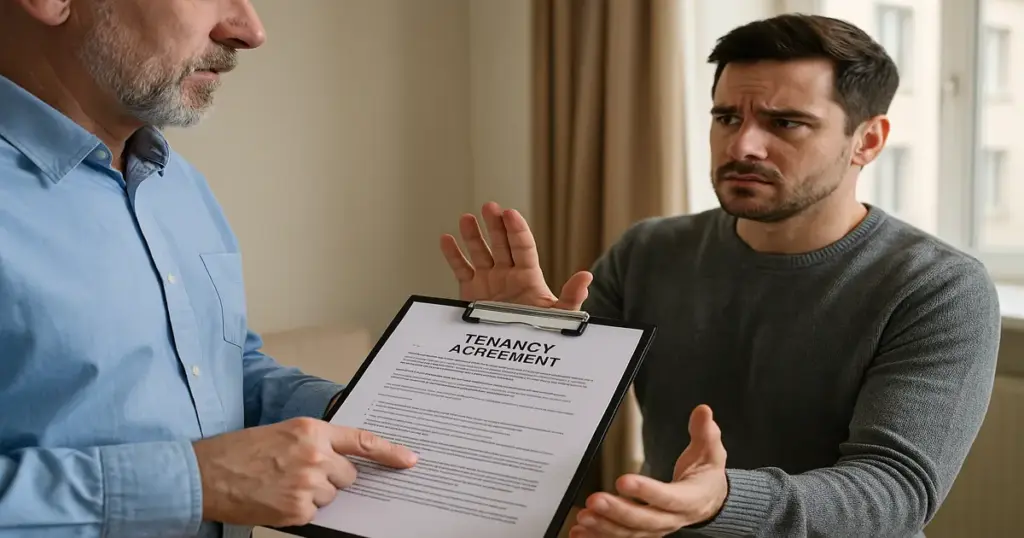
How to Use Licence and Tenancy Breach Grounds to Regain Possession Quickly
With the Renters’ Rights Bill 2025 now in force, landlords must rely on specific, evidence-based grounds to regain possession.
The abolition of Section 21 has shifted the focus to legitimate grounds such as licence or tenancy breaches, giving landlords lawful yet efficient routes to recover properties when tenants or licensees breach the terms of occupation.
This guide explains how landlords can use licence and tenancy breach grounds strategically and lawfully to regain possession quickly, while maintaining compliance with the new regulations.
Licence vs Tenancy: Understanding the Difference
Before taking action, landlords must determine whether the occupant holds a tenancy or a licence, as each has different legal protections and eviction procedures.
Tenancy Agreement:
A tenancy grants the occupant exclusive possession of the property for a defined period, in exchange for rent. Tenants have stronger legal protection and must be evicted through the court process under Section 8 of the Housing Act (as updated by the Renters’ Rights Bill 2025).
Licence Agreement:
A licence allows someone to occupy a property (or part of it) without exclusive possession, for example, a lodger living with the landlord. Licensees have fewer legal rights, and landlords can end the arrangement more quickly, provided they follow proper notice procedures.
Knowing which agreement applies is the foundation for a valid possession claim.
Grounds for Possession: Tenancy and Licence Breaches
The Renters’ Rights Bill 2025 updated the list of Section 8 grounds landlords can use to seek possession. For landlords dealing with non-compliance, the most relevant are:
Ground 12 – Breach of Tenancy Conditions
This covers any breach of contract that isn’t rent-related. Examples include:
- Subletting without permission.
- Keeping pets in violation of the agreement.
- Causing damage or neglecting maintenance responsibilities.
- Failing to allow inspections or access for repairs.
Ground 13 – Property Deterioration
Used when tenants or their guests cause damage or fail to maintain the property, leading to deterioration.
Ground 14 – Anti-Social Behaviour or Nuisance
Applies when tenants engage in conduct that disturbs neighbours or causes harm.
For licence holders, breaches of agreement (for example, failing to pay the licence fee or breaking house rules) allow landlords to revoke the licence and issue notice to vacate.
Step 1: Identify and Record the Breach
To act quickly and lawfully, landlords must gather solid evidence of the breach before serving notice. Examples of evidence include:
- Photos or videos showing property damage.
- Written complaints from neighbours or other tenants.
- Copies of correspondence where warnings were issued.
- Inspection reports or a written admission of the breach.
Documenting the breach is critical; without proof, the court may dismiss your claim.
Step 2: Serve a Valid Possession Notice
Once the breach is confirmed, landlords must serve a Section 8 notice citing the appropriate grounds. For licence holders, a licence termination notice must be issued in accordance with the agreement terms.
For Tenants
- Use the updated Section 8 notice form from the government.
- Clearly specify the breach (Ground 12, 13, or 14).
- Provide a detailed explanation and supporting evidence.
- Give the correct notice period:
- Two weeks for anti-social behaviour (Ground 14).
- Four weeks for other tenancy breaches.
For Licensees
- Check the licence agreement for the required notice period (usually 7-28 days).
- Serve written notice to terminate the licence, specifying the reasons for termination.
- Keep proof of delivery (recorded post, email, or hand-delivery with acknowledgement).
If the tenant or licensee refuses to vacate, the next step is to file a court action.
Step 3: Apply for Possession Through the Court
If the breach continues after notice expires, landlords can apply for a possession order. The process differs slightly for tenants and licensees.
For Tenants (Under Tenancy Agreements)
Use the digital possession portal introduced under the Renters’ Rights Bill 2025.
Upload:
- The Section 8 notice and proof of service.
- Evidence of the breach (photos, letters, inspection reports).
- The tenancy agreement and compliance certificates (EPC, gas, electrical).
The court will either:
- Grant possession automatically for serious breaches (mandatory grounds), or
- Schedule a hearing if the case requires review (discretionary grounds).
For Licensees (Under Licence Agreements)
If the occupant does not leave after licence termination, landlords must apply for an accelerated possession claim or trespasser eviction.
Courts generally process possession licence cases more quickly because licence holders have fewer rights than tenants.
Step 4: Enforce the Possession Order Quickly
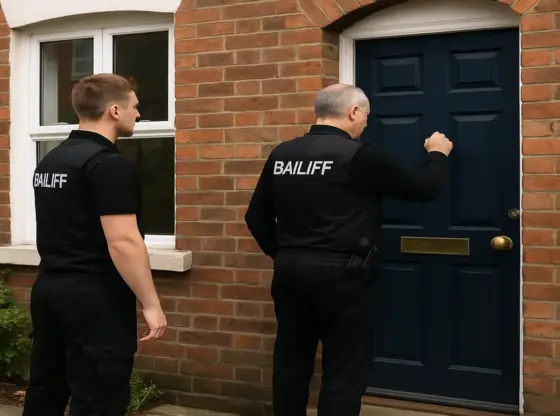
If the court grants possession and the occupant still refuses to leave, landlords must apply for enforcement through bailiffs or High Court Enforcement Officers.
To avoid delays:
- Apply for a warrant of possession immediately after the order date.
- Keep records of all court correspondence.
- Liaise promptly with enforcement officers to schedule the eviction.
Landlords cannot remove occupants themselves, as doing so could constitute illegal eviction, which carries heavy penalties under the Renters’ Rights Bill 2025.
How to Prove Breach in Court
Courts will only grant possession if the breach is proven.
Effective evidence includes:
- Written tenancy or licence agreement showing the specific rule breached.
- Inspection photos showing damage or disrepair.
- Witness statements from neighbours or contractors.
- Emails or messages showing tenant admission or refusal to correct the issue.
Presenting this evidence professionally and chronologically helps judges issue possession orders more quickly.
Fast-Track Possession for Anti-Social Behaviour
Under Ground 14, landlords can act immediately against tenants or licensees engaging in serious misconduct such as violence, intimidation, or criminal activity.
This ground allows immediate possession proceedings without a minimum notice period.
Courts treat these cases as high priority and often grant possession swiftly if supported by police reports or witness statements.
To prepare:
- Report incidents to the police or local authority.
- Gather written complaints and incident logs.
- File possession proceedings as soon as evidence is available.
This fast-track route helps landlords protect their property and community safety without delay.
Avoiding Common Mistakes
Landlords often lose valuable time due to procedural or evidential errors.
Avoid the following mistakes:
- Using outdated notice forms or citing the wrong legal ground.
- Serving notice before confirming all compliance certificates.
- Failing to provide clear evidence of the breach.
- Attempting self-eviction instead of using the court process.
Compliance and accuracy are essential for success under the new system.
When to Seek Professional Help
Professional eviction specialists can handle the process quickly and correctly, ensuring compliance with the Renters’ Rights Bill 2025.
They assist with:
- Drafting and serving legally valid notices.
- Preparing possession claims and court submissions.
- Coordinating with enforcement officers.
- Advising on future tenancy or licence management.
This support prevents costly mistakes and ensures a smooth, lawful recovery of possession.
Preventing Future Breaches
Once possession is regained, landlords can protect against repeat issues by:
- Conducting thorough background checks on all occupants.
- Use clear, updated agreements with explicit breach clauses.
- Carrying out regular property inspections.
- Enforcing house rules and responding promptly to early warning signs.
- Maintaining open communication with tenants and licence holders.
A proactive management approach reduces the likelihood of disputes and strengthens your position in future claims.
Common Landlord Questions Answered
Can I evict a tenant for breaching tenancy terms?
Yes. Use the Section 8 process under Grounds 12, 13, or 14, depending on the breach type.
What’s the difference between a tenancy and a licence eviction?
Tenants must be evicted through the court using Section 8, while licensees can be removed more quickly with a notice to terminate the licence.
How fast can I regain possession for anti-social behaviour?
If evidence supports the claim, ground 14 allows immediate proceedings without a notice period.
Read our top-read blogs:
Why Landlords Are Selling Up Urgently?
The Renters Reform Bill: A Step Backwards for Landlords and the Housing Market?
Defending a Claim for Unlawful Eviction
Need help now? Contact Landlord Advice UK today for tailored guidance and practical support to future-proof your rental business.
Useful External Links
https://www.gov.uk/private-renting