
Illegal Evictions: How to Avoid Pitfalls and Heavy Landlord Fines
With the Renters’ Rights Act 2025 now in force, penalties for unlawful eviction are at their highest. Many landlords unintentionally breach the Protection from Eviction Act 1977, exposing themselves to prosecution, unlimited fines, and even imprisonment.
Understanding illegal or retaliatory evictions and how to avoid them is now essential for every landlord. This article explains how to stay compliant, protect yourself, and why professional legal guidance is the best safeguard.
What Constitutes an Illegal or Retaliatory Eviction
An illegal eviction occurs when a landlord tries to remove a tenant from a property without following the proper legal process. Even if rent is unpaid or the tenant breaches the agreement, landlords must never change locks, remove belongings, or pressure tenants to leave without a valid court order.
A retaliatory eviction happens when a landlord serves notice in response to a tenant exercising legal rights such as reporting disrepair, complaining to the council, or requesting safety checks.
Under the Renters’ Rights Act 2025, retaliatory eviction protections have been expanded, and tenants now have stronger rights to challenge such behaviour.
If you remove a tenant unlawfully, you risk being charged under the Protection from Eviction Act 1977, which carries severe consequences, including:
- Unlimited fines.
- Up to two years in prison for criminal eviction.
- Compensation claims from the tenant for distress or damages.
Knowing how to avoid illegal or retaliatory evictions is crucial for landlords operating under the new legal framework.
Examples of Unlawful Eviction and Harassment
Unlawful eviction doesn’t only occur through physical removal it can include indirect pressure or harassment intended to force the tenant out.
Examples include:
- Changing locks without a possession order.
- Disconnecting utilities such as water, gas, or electricity.
- Entering the property without notice or permission.
- Threatening or intimidating tenants.
- Removing tenants’ belongings or blocking access.
- Serving eviction notices based on retaliatory motives.
Even well-meaning landlords can fall foul of the law by acting out of frustration during rent arrears or disputes. Awareness and restraint are key to staying compliant.
The Legal Route: Always Use Court-Approved Possession
To remain within the law, landlords must always use formal possession procedures under the Housing Act 1988.
These include:
- Section 8 Notices — when tenants breach the tenancy (e.g., rent arrears or anti-social behaviour).
- Section 21 Notices — for periodic tenancies, until entirely replaced under the Renters’ Rights Act 2025.
After the notice period, if the tenant refuses to vacate, the landlord must:
- Apply for a possession order through the county court.
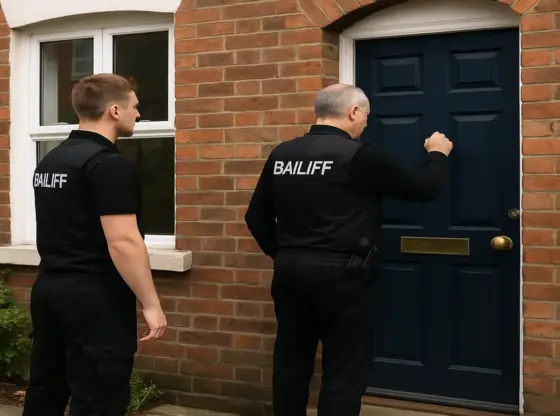
- Wait for a bailiff or High Court enforcement officer to carry out the eviction.
Only court-appointed officers have the authority to remove a tenant physically. Following these steps ensures the eviction remains legal, even if the tenant is in serious breach.
Retaliatory Evictions and the Renters’ Rights Act 2025
The Renters’ Rights Act 2025 significantly expands tenant protections against retaliatory eviction. Landlords can no longer issue eviction notices if:
- The tenant has made a legitimate complaint about disrepair or safety.
- The local authority has issued an improvement notice or emergency repair order.
- The eviction appears to be linked to the tenant asserting their rights.
If a landlord proceeds with a retaliatory eviction, courts can dismiss the possession claim entirely. In severe cases, landlords may also face civil penalties of up to £30,000 or be banned from managing property.
These rules make it vital to keep detailed records of communications, inspection reports, and repair actions. Documentation provides proof that an eviction is genuine and not retaliatory.
How to Stay Compliant and Avoid Prosecution
Landlords can avoid illegal or retaliatory evictions by following these best practices:
- Document Everything — Keep records of rent payments, repair logs, inspection reports, and all tenant communication.
- Use Proper Notices — Serve the correct notice form with accurate details and within the required legal timeframes.
- Respond to Repairs Promptly — Act within 14 days of any written tenant complaint.
- Never Enter Without Permission — Except in emergencies, landlords must give at least 24 hours’ written notice for access.
- Avoid Harassment — Communicate respectfully and in writing to prevent misunderstandings.
- Seek Legal Advice Before Acting — Consult a professional eviction specialist before serving notice or taking possession.
Compliance is not only a legal duty but also protects landlords from fines, delays, and reputational harm.
Why Professional Eviction Help Matters
Many unlawful eviction cases occur because landlords are unaware of procedural details or rely on outdated templates. Professional eviction services ensure every step is compliant, protecting landlords from costly mistakes.
Our eviction specialists can:
- Draft and serve legally valid notices.
- Handle all court paperwork and representation.
- Guide lawful possession under the Renters’ Rights Act 2025.
- Prevent claims of harassment or illegal eviction.
By using qualified professionals, landlords avoid the risk of committing illegal or retaliatory evictions and ensure all actions are lawful, transparent, and efficient.
Penalties for Illegal or Retaliatory Evictions
The penalties for illegal or retaliatory evictions are severe. Convictions under the Protection from Eviction Act 1977 can lead to:
- Unlimited fines imposed by magistrates or the Crown Court.
- Up to two years’ imprisonment for serious offences.
- Civil compensation claims for loss of possessions, stress, and emotional harm.
- Criminal records that can bar landlords from operating rental properties.
With enforcement under the Renters’ Rights Act 2025 strengthening, local councils are taking a tougher stance against rogue landlords. Avoiding shortcuts is now more critical than ever.
FAQs
What counts as a retaliatory eviction?
A retaliatory eviction occurs when a landlord attempts to evict a tenant after the tenant reports disrepair or safety hazards, or after the tenant exercises legal rights. Under the Renters’ Rights Act 2025, such evictions are unlawful and can be challenged in court.
Can I evict a tenant without going to court?
No. All evictions must go through a formal possession process. Changing locks, cutting utilities, or removing tenants without a court order is illegal.
Conclusion
Landlords must tread carefully when seeking possession. Missteps can easily lead to illegal or retaliatory evictions, resulting in heavy fines, criminal convictions, and long-term damage to your reputation.
By using the correct notices, documenting every action, and working with professional eviction experts, you can stay fully compliant and avoid prosecution. The key is to act legally, act early, and act with expert guidance.
Read our top-read blogs:
Why Landlords Are Selling Up Urgently?
The Renters Reform Bill: A Step Backwards for Landlords and the Housing Market?
Defending a Claim for Unlawful Eviction
Need help now? Contact Landlord Advice UK today for tailored guidance and practical support to future-proof your rental business.
Useful External Links
https://www.gov.uk/evicting-tenants
https://england.shelter.org.uk