
Tenant Arrears & Rogue Tenants: Proven Strategies for Fast Possession
The Renters’ Rights Bill 2025 has introduced sweeping reforms to the private rental sector, changing how landlords can deal with tenant arrears and rogue tenants.
While the new law strengthens tenant protections, it also provides landlords with clear, structured routes to regain possession quickly when rent is unpaid or the tenancy is being abused.
This article outlines the most effective and proven strategies for fast possession, helping landlords recover their properties lawfully and efficiently under the new legal framework.
Understanding the Challenge of Tenant Arrears in 2025
Rent arrears remain one of the most common causes of disputes in the private rental market.
Under the old Section 21 system, landlords could remove tenants without providing a reason, including for persistent arrears. However, with the end of no-fault evictions, landlords must now rely on Section 8 grounds for possession.
While this means more paperwork and evidence, the law also offers stronger protection for landlords dealing with genuine arrears. If handled correctly, you can still secure possession and recover rent without unnecessary delays.
Recognising Rogue Tenant Behaviour
A “rogue tenant” is one who repeatedly breaks tenancy terms, refuses to pay rent, causes damage, or engages in anti-social behaviour.
The Renters’ Rights Bill 2025 gives landlords specific legal grounds to remove such tenants, but you must follow the correct process. Common warning signs include:
- Consistent late or partial payments.
- Excuses or avoidance when rent reminders are sent.
- Reports of noise, harassment, or anti-social conduct.
- Property damage or refusal of access for inspections.
Once these issues arise, landlords should act quickly; delays often make recovery more difficult and costly.
Grounds for Eviction Under the Renters’ Rights Bill 2025
Landlords dealing with tenant arrears and rogue tenants must now use the updated Section 8 process. This requires serving a possession notice citing specific legal grounds and evidence.
The key grounds most relevant to arrears and misconduct are:
Ground 8 – Serious Rent Arrears
- Tenant owes at least two months’ rent (or eight weeks if rent is paid weekly).
- Mandatory ground: the court must grant possession if arrears meet the threshold on the hearing date.
Ground 10 – Persistent Late Payment
- Tenant frequently pays late, even if arrears are cleared.
- Discretionary ground: the court decides based on evidence of repeated breaches.
Ground 12 – Breach of Tenancy Terms
- Covers any non-rent-related breaches such as subletting, neglect, or damaging the property.
Ground 14 – Anti-Social Behavior
- Immediate action can be taken for serious misconduct, such as harassment or criminal behavior.
By using the proper ground and preparing documentation early, landlords can fast-track their cases and minimize losses.
How to Serve a Valid Possession Notice
A valid possession notice is the first and most critical step in achieving fast possession. Errors at this stage can delay proceedings for months.
To ensure compliance:
- Use the official Section 8 notice form updated for 2025.
- Clearly specify the legal grounds (e.g., Ground 8, 10, 12, or 14).
- Provide detailed evidence such as rent statements, correspondence, or photos.
- Give the correct notice period (usually two weeks for arrears or immediate notice for serious misconduct).
- Keep proof of delivery (recorded post or signed acknowledgement).
If the tenant fails to leave after the notice period, landlords can proceed with a court possession claim.
Fast-Track Possession for Rent Arrears
The government’s new digital possession system is designed to streamline cases of rent arrears and anti-social behaviour.
Through the online portal, landlords can:
- File possession claims electronically.
- Upload rent statements, tenancy agreements, and proof of notice.
- Track the progress of their case.
- Receive court updates and hearing dates faster.
Mandatory grounds, such as serious rent arrears, are prioritised for faster resolution, helping landlords regain possession within weeks rather than months.
Proving Rent Arrears in Court
When your case reaches the court, success depends on solid documentation. Always prepare:
- A complete rent ledger showing due dates, payments, and arrears totals.
- The tenancy agreement and any addenda.
- Copies of the Section 8 notice and delivery proof.
- Written communication with the tenant regarding unpaid rent.
If arrears exceed the required threshold and your documents are accurate, the court will issue a possession order. Tenants typically have 14 days to vacate the property, although this can be extended if they face genuine hardship.
Dealing with Rogue Tenants
When tenants are disruptive, damaging property, or harassing others, you can act under Ground 14 (Anti-Social Behaviour). This allows landlords to apply for possession immediately, without the standard notice period.
However, this ground requires strong evidence, such as:
- Police reports.
- Written complaints from neighbours.
- Photographic or video evidence of property damage.
- Witness statements.
Courts prioritise these cases, particularly where public safety or severe nuisance is involved.
Recovering Rent Arrears After Eviction
Securing possession is often only half the battle landlords also need to recover unpaid rent.
After a possession order is granted, landlords can:
- Apply for a money judgment alongside the possession claim.
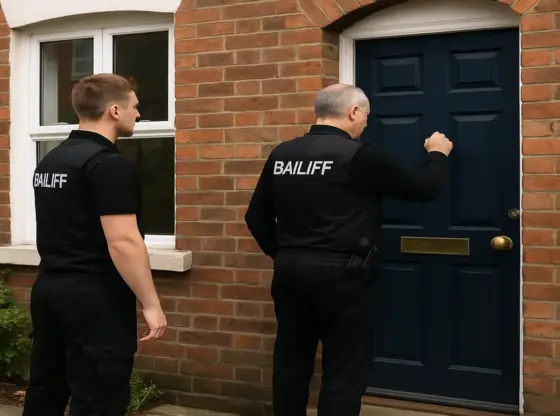
- Enforce payment through court bailiffs or High Court enforcement officers.
- Use the tenant’s deposit to cover part of the arrears.
- Report unpaid judgments to credit agencies, which can affect the tenant’s credit record.
While full recovery isn’t guaranteed, taking prompt legal action increases the likelihood of recovering what is owed.
Avoiding Illegal Eviction Claims
The Renters’ Rights Bill 2025 has introduced stricter penalties for landlords who attempt unlawful eviction. Changing locks, cutting utilities, or threatening tenants without a court order can result in criminal prosecution and compensation claims.
To avoid this:
- Always follow the Section 8 process.
- Do not enter the property without consent or a court order.
- Allow bailiffs or enforcement officers to handle physical eviction if necessary.
Lawful procedure is the fastest and safest route to reclaim your property.
Practical Tips for Speeding Up Possession
Act Early
Don’t wait for arrears to escalate. Serve notice as soon as rent is overdue by the required threshold.
Keep Comprehensive Records
Organised paperwork speeds up court approval and protects you against disputes.
Use the Correct Legal Ground
Choose mandatory grounds where possible for quicker possession decisions.
Go Digital
Use the new online possession portal for faster claim processing.
Seek Professional Help
Specialist eviction services or solicitors ensure compliance and reduce costly errors.
How to Prevent Future Rent Arrears
Prevention is better than a cure. Landlords can avoid future problems by:
- Conducting rigorous tenant referencing (credit checks, employment verification, landlord references).
- Using clear tenancy agreements that set payment expectations.
- Requiring a guarantor for higher-risk tenants.
- Encouraging direct debit payments to reduce missed rent.
- Scheduling regular inspections to identify early warning signs of neglect or misuse.
These measures foster a professional relationship and reduce the likelihood of tenant default.
The Role of Professional Eviction Services
In complex or high-stakes cases, professional eviction experts can handle every stage from serving notice to court representation. They ensure full compliance with the Renters’ Rights Bill 2025 and significantly reduce the time to regain possession.
Services typically include:
- Drafting and serving legally valid Section 8 notices.
- Preparing digital possession claims.
- Representing landlords in court hearings.
- Coordinating with bailiffs for enforcement.
For landlords managing multiple properties or high-value portfolios, this professional support can be invaluable.
Common Landlord Questions Answered
Can I still evict tenants who don’t pay rent?
Yes. You must use the new Section 8 grounds for severe or persistent arrears. Courts still prioritise these cases for possession.
What’s the fastest way to regain possession?
Serve a valid Section 8 notice under mandatory grounds, file your claim digitally, and ensure all documentation is complete.
What if the tenant damages my property or causes trouble?
Use Ground 14 for anti-social behaviour. Courts may grant immediate possession where serious misconduct is proven.
Read our top-read blogs:
Why Landlords Are Selling Up Urgently?
The Renters Reform Bill: A Step Backwards for Landlords and the Housing Market?
Defending a Claim for Unlawful Eviction
Need help now? Contact Landlord Advice UK today for tailored guidance and practical support to future-proof your rental business.
Useful External Links
https://www.gov.uk/private-renting