
What the New Renters’ Rights Act Means for Landlords Facing Tenant Evictions
The Renters’ Rights Act 2025 has officially reshaped how landlords across England manage evictions, property rights, and tenancy disputes. With the government abolishing Section 21 and overhauling the entire possession framework, landlords must now follow stricter procedures when seeking to remove tenants.
For those facing non-payment, anti-social behaviour, or the need to sell, understanding these new rules is critical. This guide explains what the Renters’ Rights Act 2025 means for landlords facing evictions and how to stay compliant under the updated law.
The End of Section 21 Evictions
The most significant change in the Renters’ Rights Act 2025 is the complete abolition of Section 21, also known as “no-fault” eviction.
Previously, landlords could issue a Section 21 notice to reclaim possession at the end of a tenancy without providing a reason. Under the new Act, this power is no longer available. Every eviction must now be justified by a valid legal ground under Section 8 of the Housing Act (as amended by the Renters’ Rights reforms).
This means landlords must:
- Demonstrate a lawful reason for eviction.
- Serve the correct form of notice with the proper notice period.
- Provide supporting evidence if the tenant challenges the claim.
While this change strengthens tenant security, it also requires landlords to follow strict legal procedures to recover possession successfully.
New Legal Grounds for Eviction
Under the Renters’ Rights Act 2025, landlords can still evict tenants, but only on the grounds set out in Section 8, these grounds have been updated and expanded to balance tenant rights with landlords’ legitimate interests.
The key eviction grounds now include:
- Serious Rent Arrears – Tenants who owe more than 2 months’ rent can still be evicted through mandatory possession proceedings.
- Persistent Late Payment – Repeated rent delays, even if arrears are later cleared, can justify eviction.
- Anti-Social Behaviour – Clear, documented nuisance or criminal behaviour remains a valid ground for possession.
- Property Sale – Landlords may regain possession if they genuinely intend to sell the property.
- Landlord or Family Move-In – Possession is permitted if the landlord or an immediate family member needs to live in the property.
These new rules create a more transparent eviction process. However, landlords must strictly follow procedure and present evidence for each claim.
Notice Periods Under the New Law
The Renters’ Rights Act 2025 standardises notice periods based on the reason for eviction.
- Two weeks for serious rent arrears or anti-social behaviour.
- Two months to sell or move back into the property.
- Variable periods for other discretionary grounds.
All notices must now be served using the updated Section 8 form provided by the government. Any errors — including incorrect wording, missing evidence, or an invalid notice period — will render the eviction notice void.
To ensure compliance, landlords should document all communication, keep rent records, and seek professional advice before serving notice.
How the New Court Process Works
With more evictions now moving through the courts, the government has pledged to modernise the system to reduce delays.
The digital possession portal introduced under the Renters’ Rights Act 2025 allows landlords to:
- Submit claims online.
- Upload supporting evidence.
- Track case progress digitally.
- Access faster hearings for high-priority cases (such as serious arrears or anti-social behaviour).
Despite these improvements, landlords should still expect some court delays due to the transition. Accurate paperwork and early submission are vital to avoiding adjournments or rejections.
What Landlords Must Do Before Starting an Eviction
Before initiating any eviction, landlords must meet all compliance obligations. Missing documentation or unlicensed properties will automatically invalidate a claim.
To comply, landlords should ensure:
- The tenancy deposit is protected in a government-approved scheme.
- The tenant has received all required documents, including the EPC, gas and electrical safety certificates, and the “How to Rent” guide.
- The property meets the Decent Homes Standard for private rentals.
- Any required local authority licences (such as HMO or selective licensing) are up to date.
Failure to meet these obligations may result in penalties, rent repayment orders, or the rejection of possession claims.
Illegal Eviction: What Landlords Must Avoid
Under the Renters’ Rights Act 2025, illegal eviction offences carry harsher penalties. Any landlord who attempts to remove tenants without following due process could face criminal prosecution, heavy fines, and potential banning orders.
Illegal eviction includes:
- Changing locks without a court order.
- Cutting off electricity, water, or gas to force a tenant out.
- Harassing or threatening tenants to vacate.
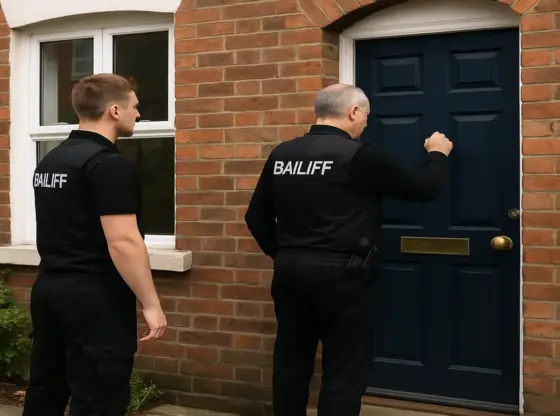
These actions are strictly prohibited. Landlords must always obtain a possession order from the court and, if necessary, use certified bailiffs or enforcement officers to carry out the eviction lawfully.
Can Landlords Still Regain Possession to Sell or Move In?
Yes. The new Renters’ Rights Act 2025 protects landlords’ ability to reclaim their property for legitimate reasons, including selling or moving back in.
However, landlords must:
- Provide two months’ written notice.
- Supply evidence of their intent to sell or occupy (e.g., an estate agent listing or solicitor letter).
- Avoid re-letting the property immediately after eviction, as this would be considered misuse of the legal ground.
This ensures fairness and transparency while allowing genuine sales or family move-ins to proceed smoothly.
Tenant Rights and Landlord Responsibilities
Tenants now enjoy stronger protections under the Act, including:
- The right to challenge eviction notices they believe are unjustified.
- The right to defend claims in court if the documentation is incomplete.
- The right to report harassment or illegal eviction to the local authority.
For landlords, this means extra diligence is required. Courts will closely examine compliance, communication, and documentation. A single error can lead to costly delays or dismissal of the case.
How Landlords Can Protect Themselves
The new legal framework places greater emphasis on professional management. Landlords who maintain detailed records, respond to issues promptly, and comply with all regulations will be best positioned to protect their rights.
To safeguard your position:
- Keep all communication with tenants in writing.
- Store rent records, inspection reports, and maintenance invoices.
- Serve all notices using official forms and verify delivery.
- Stay informed through landlord associations and government updates.
- Use professional eviction services or solicitors for complex cases.
Preparedness and compliance are the key defences against disputes under the new law.
When to Seek Legal Advice
Landlords should seek legal help immediately when:
- Tenants refuse to pay rent or vacate.
- There is confusion over notice requirements.
- Eviction grounds overlap or are disputed.
- The property is in breach of licensing or compliance requirements.
A legal professional can confirm the correct eviction ground, help draft compliant notices, and represent landlords in court to avoid costly mistakes.
How the Renters’ Rights Act Benefits Responsible Landlords
Although the new rules impose more regulation, they also level the playing field for compliant landlords. By removing rogue operators and illegal practices, the Renters’ Rights Act 2025 enhances the reputation of professional landlords and brings greater stability to the private rental market.
Landlords who follow the rules can expect:
- Clearer eviction pathways for legitimate cases.
- More predictable tenancy management.
- A transparent system that rewards compliance and documentation.
Common Landlord Questions Answered
What common errors could make my eviction invalid?
Serving the wrong notice, failing to include required documents, or failing to comply with licensing rules can invalidate your eviction under the new Act.
How can I protect my rights under the new law?
Follow all notice procedures precisely, keep complete compliance records, and document every tenant interaction.
When should I seek legal help?
Seek advice before serving notice or filing a claim, especially in contested or high-value cases.
Read our top-read blogs:
Why Landlords Are Selling Up Urgently?
The Renters Reform Bill: A Step Backwards for Landlords and the Housing Market?
Defending a Claim for Unlawful Eviction
Need help now? Contact Landlord Advice UK today for tailored guidance and practical support to future-proof your rental business.
Useful External Links
https://www.gov.uk/private-renting