
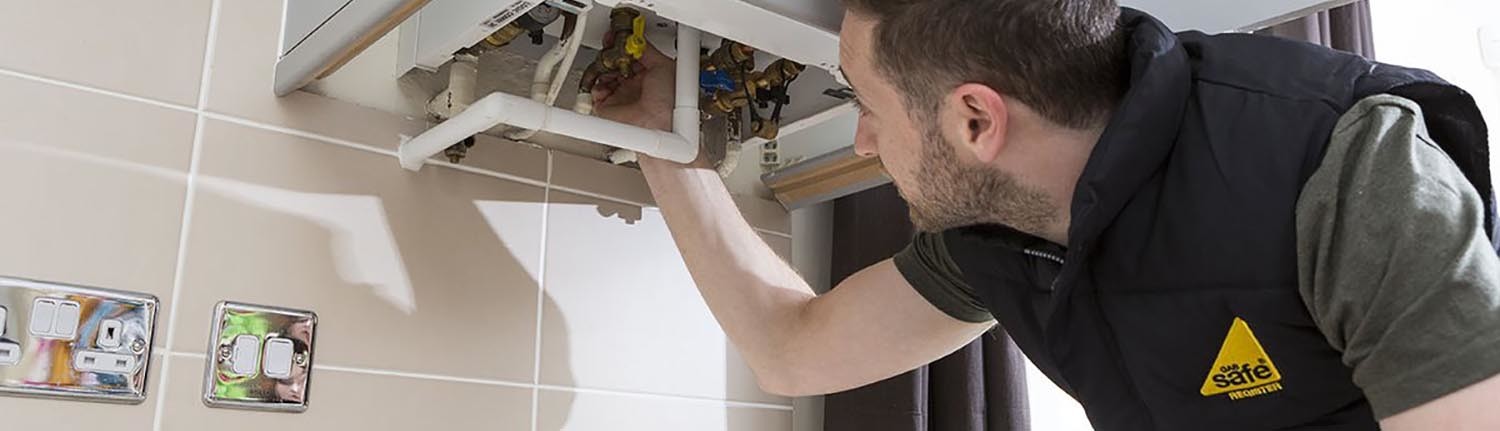
Gas Safety
Gas safety is one of the most important legal responsibilities placed upon landlords. Landlords must ensure that all gas appliances, fittings, flues, and pipework within a rental property are maintained in a safe condition and comply with the relevant safety legislation.
Failure to comply with gas safety obligations can result in criminal prosecution, substantial financial penalties, civil liability, and enforcement action by the Health and Safety Executive (HSE).
This guide explains the key gas safety obligations landlords must comply with.
Landlords’ Legal Gas Safety Obligations
Landlords are subject to duties under the Gas Safety (Installation and Use) Regulations 1998.
These obligations apply to most residential tenancies where gas appliances or installations are provided.
Repair and Maintenance Duties
Landlords are responsible for ensuring that:
- Gas appliances;
- Gas pipework;
- Flues; and
- Associated installations
are maintained in a safe condition throughout the tenancy.
Any repairs or maintenance involving gas installations must be carried out by a suitably qualified Gas Safe registered engineer.
Annual Gas Safety Checks
Landlords must arrange an annual gas safety inspection for:
- Every gas appliance provided by the landlord; and
- Every flue within the property.
The inspection must be completed by a Gas Safe registered engineer.
The engineer will issue a Landlord Gas Safety Record, commonly referred to as a Gas Safety Certificate.
Providing the Gas Safety Certificate
Landlords must provide tenants with a copy of the current Gas Safety Certificate within strict time limits.
Existing Tenants
A copy of the certificate must be provided within:
- 28 days of the annual inspection being completed.
New Tenants
New tenants must receive a copy of the current Gas Safety Certificate before they occupy the property or at the commencement of the tenancy.
Short-Term Lets
For tenancies lasting less than 28 days, landlords may display the certificate prominently within the property instead of providing individual copies.
Record Keeping Requirements
Landlords must retain gas safety records for at least:
- Two years.
Maintaining organised records is essential in the event of disputes, inspections, or enforcement action.
Carbon Monoxide Alarm Requirements
Additional obligations apply in relation to carbon monoxide alarms.
From 1 October 2022, landlords must ensure carbon monoxide alarms are installed in every habitable room containing:
- A fixed combustion appliance,
excluding gas cookers.
Landlord Responsibilities for CO Alarms
Landlords should ensure that:
- Alarms are operational at the start of each new tenancy;
- Alarms comply with British Standard EN 50291;
- Alarms are correctly installed in accordance with manufacturer guidance.
Using approved alarms with recognised certification marks, such as a Kitemark or equivalent European approval mark, is strongly recommended.
Consequences of Non-Compliance
Failure to comply with gas safety legislation can result in serious consequences for landlords.
Criminal Liability
Breaches of the Gas Safety (Installation and Use) Regulations 1998 may amount to criminal offences.
Landlords may face:
- Unlimited fines;
- Criminal prosecution;
- Imprisonment;
- Enforcement action by the Health and Safety Executive (HSE).
In serious cases involving injury or death, prosecutions can result in substantial custodial sentences.
Possession Proceedings and Gas Safety
Gas safety compliance can also affect a landlord’s ability to recover possession of a property.
Failure to properly provide gas safety documentation may create complications in possession proceedings and may affect compliance with statutory tenancy obligations.
Landlords should therefore ensure certificates are properly served and retained.
Best Practice for Landlords
Always instruct a Gas Safe registered engineer to carry out:
- Gas safety checks;
- Repairs;
- Installations; and
- Maintenance work.
Keep Accurate Records
Maintain copies of:
- Gas Safety Certificates;
- Repair invoices;
- Maintenance reports; and
- Tenant communications.
Carry Out Repairs Promptly
Any gas safety concerns or defects should be addressed immediately to reduce risks to tenants and avoid potential liability.
Educate Tenants
Landlords should encourage tenants to:
- Report gas issues immediately;
- Test carbon monoxide alarms regularly;
- Understand the warning signs of gas leaks or carbon monoxide exposure.
Key Takeaways for Landlords
- Gas safety compliance is a legal requirement, not a recommendation.
- Annual gas safety inspections are mandatory.
- Gas Safety Certificates must be provided within the required timescales.
- Carbon monoxide alarms must be installed where legally required.
- Failure to comply can result in severe criminal and financial penalties.
- Proper record keeping and timely maintenance are essential.
Landlords should ensure they remain fully compliant with all gas safety obligations to protect tenants, reduce legal risk, and avoid enforcement action.
We’re a landlord’s and
agent’s first call
We lead the way with evictions, helping landlords are agents nationally with a guaranteed eviction service and free advice line. Click to read our eviction service page.