
Evicting Problem Tenants Fast: The Smart Way to Take Back Your Property
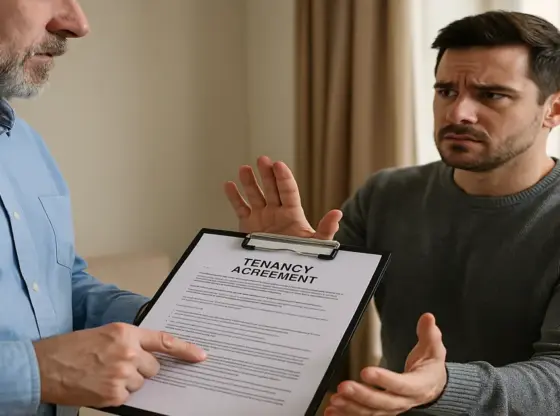
Every landlord faces that dreaded moment when a tenant stops paying rent, causes damage, or refuses to leave. When that happens, the question becomes urgent: how do I start evicting problem tenants fast?
Time is money, and every lost month hurts your income. This article explains the smart, legal, and effective way to take back your property quickly, while avoiding costly mistakes that could delay possession.
Why Fast Eviction Matters
Delays in removing problem tenants can cost landlords thousands of pounds in rent arrears, repairs, and stress. Acting quickly doesn’t mean acting unlawfully; it means using the proper process, at the right time, with professional help when needed.
Evicting problem tenants fast requires precision. Landlords who rush the process or skip legal steps often find themselves starting all over again. By following the correct eviction procedure from day one, landlords can regain control faster and more safely.
Understanding the Legal Framework
In England, the eviction process is governed by the Housing Act 1988 and must follow specific notice procedures. You cannot simply remove a tenant or change the locks; doing so is classed as illegal eviction.
There are two main routes for evicting problem tenants fast:
- Section 8 Notice — used when tenants breach the tenancy agreement, usually due to rent arrears, damage, or antisocial behaviour.
- Section 21 Notice — used when you want possession after the tenancy ends, without giving a reason.
Choosing the correct route is key. Section 8 allows for faster action against problem tenants, while Section 21 is smoother for cooperative tenants at the end of the tenancy term.
Step One: Serve the Correct Notice
Serving a valid notice is the first critical step. A single error, such as the wrong form, incorrect date, or missing certificate, can invalidate your notice and prolong the process by months.
For Section 8, landlords must state the exact grounds for eviction. The most common are:
- Ground 8: Rent arrears of at least two months.
- Ground 10: Some rent is unpaid, even if less than two months.
- Ground 11: Persistent late payment of rent.
If you’re evicting problem tenants fast, ensure rent records, tenancy agreements, and communication logs are organized before serving notice.
For Section 21, landlords must provide:
- A valid EPC
- Gas safety certificate
- “How to Rent” guide
- Protected deposit information
Failure to provide these documents can invalidate your notice.
Step Two: Apply to the Court
If the tenant ignores the notice, the next step is to apply to the county court for possession. The court can issue:
- An accelerated possession order (for Section 21, no rent claim).
- A standard possession order (for Section 8, including rent arrears).
This stage takes around 6 to 10 weeks, depending on the court’s workload. Having professional support here is crucial; eviction experts ensure all paperwork is correct and evidence is presented correctly.
This makes evicting problem tenants fast not just possible, but predictable.
Step Three: Enforcement
Once the court grants a possession order, the tenant has 14 days to vacate the premises. If they still refuse, landlords can apply for:
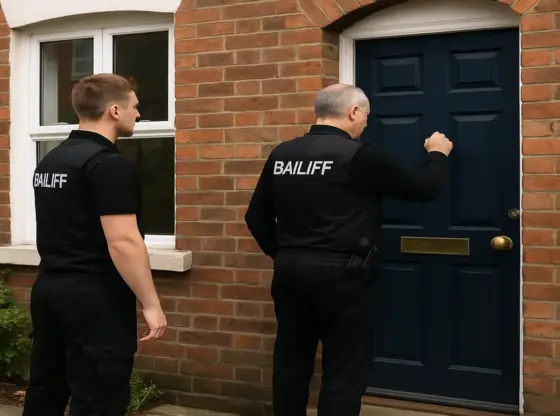
- County Court Bailiffs — usually takes 4–8 weeks.
- High Court Enforcement Officers (HCEOs) — often faster, sometimes acting within 7–14 days.
Using High Court enforcement is one of the most innovative ways to take back your property quickly. Although it costs more, it reduces stress and saves time.
Common Mistakes That Slow Down Evictions
If you’re focused on evicting problem tenants fast, avoid these common errors:
- Serving notice with incorrect dates or incomplete forms.
- Failing to protect deposits correctly.
- Missing required compliance documents (EPC, gas safety, “How to Rent” guide).
- Allowing tenants to exploit disrepair or legal technicalities.
- Trying to remove tenants without court orders (illegal eviction).
Each of these errors can delay possession by weeks or even months. The “smart way” means avoiding these traps through professional, compliant action.
Why Professional Help Speeds Up Eviction
Eviction specialists, such as Landlord Advice, handle hundreds of possession cases every year. They know the exact documents, formats, and timeframes that courts require. For landlords seeking to evict problem tenants fast, using professionals ensures:
- Notices are correctly drafted and served.
- Court paperwork is filed accurately.
- Delays from errors are avoided.
- Legal risks are eliminated.
- Tenants are removed lawfully and swiftly.
Many landlords find that professional eviction support is more cost-effective than handling the process alone, especially after a failed claim.
How to Take Back Your Property the Smart Way
The innovative approach to evicting problem tenants fast is built on three key principles: speed, legality, and precision.
- Act Early — Don’t wait months of missed rent before serving notice.
- Stay Compliant — Check all deposit and safety certificate obligations.
- Use Experts — Let professional eviction companies handle notices and court filings.
- Keep Records — Maintain clear communication and rent records to support your case.
- Stay Professional — Avoid confrontation; let lawful procedure work for you.
By following these steps, landlords can regain possession faster, avoid costly legal setbacks, and protect their reputation.
The Role of Landlord Advice
At Landlord Advice, we specialize in helping landlords across England remove tenants quickly, legally, and efficiently. We understand that time is critical when dealing with rent arrears or property damage.
Our experts handle the entire eviction process from serving the notice to securing possession. With deep knowledge of housing law and court systems, we ensure landlords recover their property as fast as possible while staying 100% compliant.
If you’re losing rent or dealing with difficult tenants, contact Landlord Advice today. Our eviction specialists act swiftly, giving you peace of mind and control over your property again.
FAQs
Can I evict a tenant immediately if they haven’t paid rent?
No. You must serve the correct Section 8 notice and allow the legal notice period to expire before applying to court.
How long does an eviction take if the tenant ignores all notices and instructions?
On average, the process takes 3–6 months from notice to bailiff enforcement, though professionals can shorten this through efficiency and correct filing.
Can I change the locks if the tenant moves out but leaves belongings behind?
Only once the tenant has formally surrendered the property or the bailiff has executed possession can the process proceed.
What if the tenant damages my property?
You can claim damages through the deposit or as part of the Section 8 rent arrears claim.
Conclusion
Evicting problem tenants quickly isn’t about taking shortcuts; it’s about taking the proper steps, lawfully and efficiently. Landlords who work with experienced eviction specialists like Landlord Advice regain possession faster, recover lost rent, and avoid the risks of invalid notices or illegal actions.
If you’re struggling with tenants who refuse to pay or leave, don’t wait. Act now and reclaim your property the smart way, safely, legally, and efficiently.
Read our top read blogs:
Why Landlords Are Selling Up Urgently?
The Renters Reform Bill: A Step Backwards for Landlords and the Housing Market?
Defending a Claim for Unlawful Eviction
Need help now? Contact Landlord Advice UK today for tailored guidance and practical support to future-proof your rental business.
Useful External Links
https://www.gov.uk/evicting-tenants